

Main Structures of Light Calcium Powder Pneumatic Conveying Systems
Light calcium powder, a vital industrial material, relies on efficient pneumatic conveying systems to facilitate smooth production workflows. Understanding the core structures of these systems is crucial for optimizing performance, ensuring safety, and maintaining long-term reliability. This article delves into the primary components that define a light calcium powder pneumatic conveying system, offering insights into how each element contributes to the overall functionality and effectiveness of the process.
Core Structural Components of Light Calcium Powder Pneumatic Conveying Systems
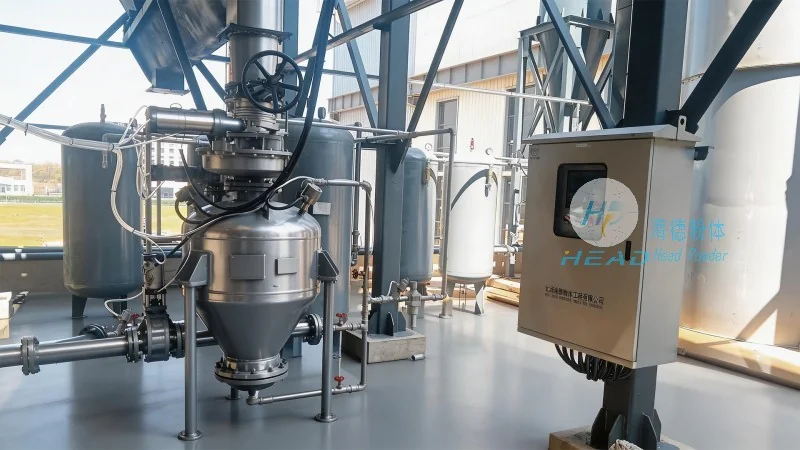
A typical light calcium powder pneumatic conveying system comprises several interconnected structures that work in harmony to transport the powder from its source to the destination. The main components include the material feed system, the conveying pipeline, the air supply unit, and the control and monitoring mechanisms. Each of these structures plays a critical role in ensuring consistent, safe, and efficient powder transport.
Material Feed System
The material feed system initiates the pneumatic conveying process by introducing light calcium powder into the conveying line at a controlled rate. Common feed methods include screw feeders, rotary valves, and pressure vessels, each designed to handle the fine particle size and potential caking characteristics of light calcium powder. Proper feeding is essential to prevent blockages, maintain consistent flow, and ensure the system operates at peak efficiency. The company, Shandong HeadPowder Engineering Co., Ltd., specializes in designing and manufacturing feed systems tailored to the unique demands of light calcium powder applications, leveraging years of expertise to deliver reliable and efficient solutions.
Conveying Pipeline
The conveying pipeline, typically constructed from stainless steel or other corrosion-resistant materials, serves as the primary channel for transporting light calcium powder. The design of the pipeline is critical to minimize pressure drop, prevent powder degradation, and accommodate changes in direction or elevation. Components such as bends, elbows, and expansion joints are integrated to ensure smooth flow and prevent material buildup. The choice of material is vital to avoid contamination and corrosion, as light calcium powder can be sensitive to environmental factors. Shandong HeadPowder Engineering Co., Ltd. employs advanced engineering techniques to design pipelines that are both durable and efficient, supporting long-term operation with minimal maintenance and downtime.
Air Supply Unit
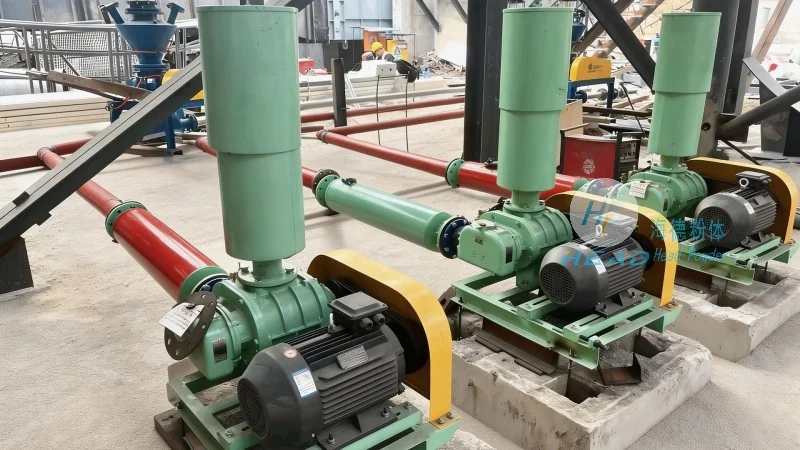
The air supply unit provides the necessary pressure and airflow to move light calcium powder through the conveying pipeline. This system generally includes a blower or compressor, air filters, and pressure regulators. The air must be clean, dry, and free of contaminants to prevent powder degradation and maintain system efficiency. The blower or compressor must generate sufficient pressure to overcome pipeline resistance and lift the powder to the desired height. The company’s air supply systems are engineered to deliver consistent air quality and pressure, ensuring reliable operation and extending the lifespan of the entire conveying system. Advanced filtration and drying technologies are incorporated to meet stringent purity standards, ensuring the powder remains uncontaminated throughout the transport process.
Control and Monitoring Systems
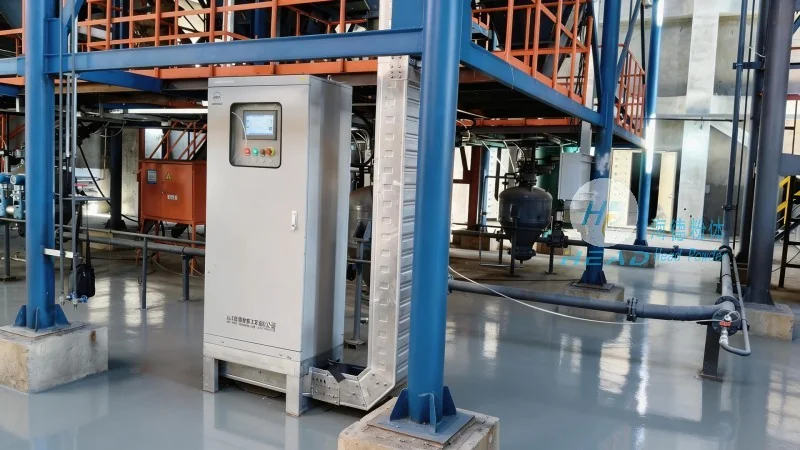
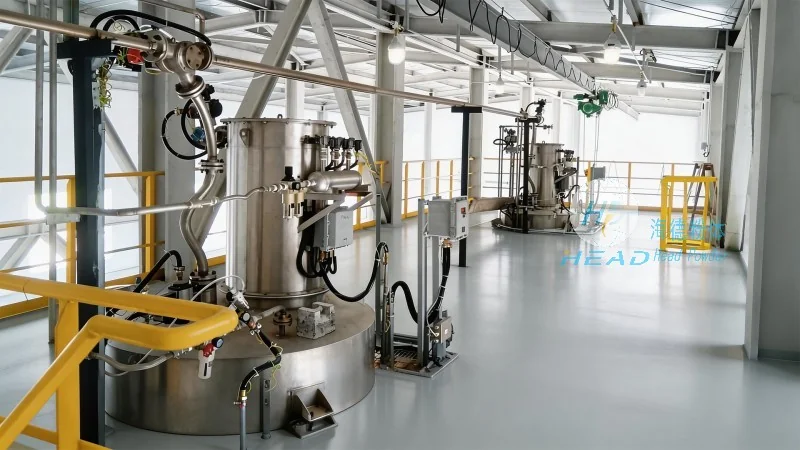
Control and monitoring systems are essential for managing the operation of the light calcium powder pneumatic conveying system. These systems incorporate sensors for pressure, flow, and level, along with control valves and automation equipment. Real-time data from these sensors allows operators to detect and address issues promptly, preventing system failures and optimizing performance. The control valves regulate air and powder flow, ensuring the system operates within safe and efficient parameters. Shandong HeadPowder Engineering Co., Ltd. integrates state-of-the-art control technologies, enabling remote monitoring and automated adjustments to enhance operational efficiency and reduce downtime. Customizable control interfaces are provided to suit the specific needs of each application, ensuring seamless integration with existing production systems.
Maintenance and Safety Considerations
Maintenance and safety are paramount when operating a light calcium powder pneumatic conveying system. Regular maintenance, including pipeline cleaning, filter replacement, and component inspection, is necessary to prevent clogging and ensure consistent performance. Safety measures, such as explosion-proof designs, dust collection systems, and emergency shut-off mechanisms, are critical to protect personnel and equipment from potential hazards. The company offers comprehensive maintenance services and safety consulting, helping clients adhere to industry standards and minimize operational risks. By implementing proper maintenance protocols and safety measures, users can maximize the lifespan of their conveying systems, reduce repair costs, and maintain a safe working environment.