With more than 10‑year industry experience, Shandong Headpowder delivers full‑service pneumatic‑conveying systems and blowers, undertaking nationwide turn‑key powder‑handling projects.
When it comes to transporting biomass pellets, the choice between positive pressure and negative pressure pneumatic conveying systems is a critical decision for industries dealing with bulk material handling. Both methods leverage air to move material, but they operate on fundamentally different principles, each with distinct advantages and limitations. This article provides a detailed comparison of positive pressure and negative pressure conveying systems, highlighting the key factors that influence their suitability for biomass pellet applications.
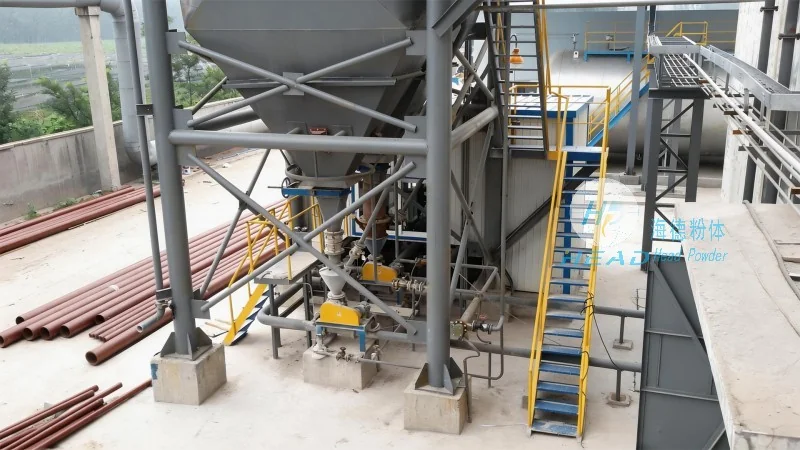
Positive pressure conveying systems operate by blowing air into the conveying line, creating a pressure higher than the ambient air pressure. The material is then drawn into the system by the pressure differential. This method is often referred to as "blowing" or "pressure-assisted" conveying. In positive pressure systems, the entire pipeline is under positive pressure, which helps prevent dust leakage and contamination from the environment. The system typically includes a blower or fan at the inlet, a hopper or feeder to introduce the material, and a discharge point at the destination. The air velocity in positive pressure systems is generally higher than in negative pressure systems, which can improve material flow and reduce blockages. However, this higher air velocity also increases energy consumption and can cause more wear on the system components.
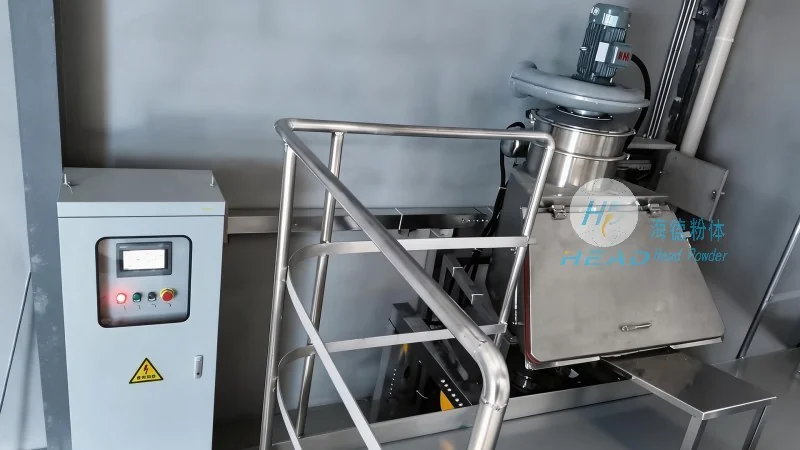
Negative pressure conveying, also known as "suction" or "vacuum" conveying, works by creating a vacuum in the conveying line. The material is drawn into the system by the pressure difference between the inlet and the discharge point. The entire pipeline is under negative pressure relative to the ambient air. This method is particularly effective for handling fine or dusty materials, as the vacuum helps prevent dust from escaping into the environment. Negative pressure systems often use a vacuum pump at the discharge end to create the suction. The air velocity in negative pressure systems is typically lower than in positive pressure systems, which can reduce energy consumption but may require more frequent cleaning to prevent material buildup in the pipeline. The lower air velocity also means that the system is more susceptible to blockages if the material is not properly conditioned or if the pipeline is not properly maintained.
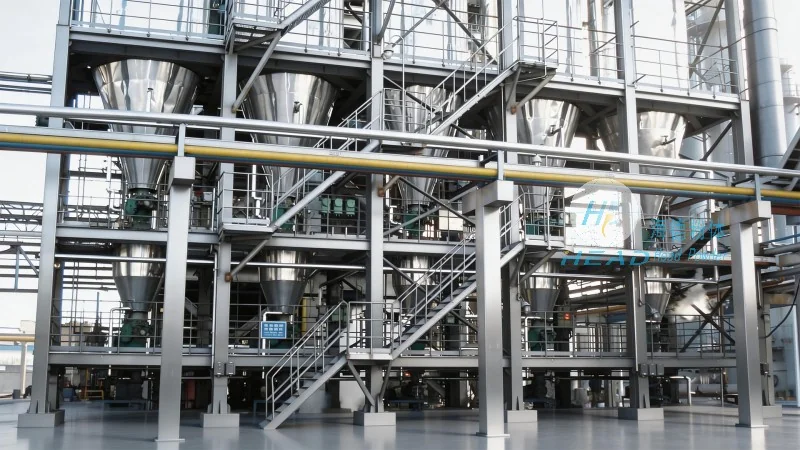
When comparing positive and negative pressure conveying for biomass pellets, several factors must be considered. The choice depends on the specific application, the type of material, the distance to be conveyed, and the environmental regulations in place. Positive pressure systems are generally more suitable for long-distance conveying and for materials that are prone to bridging or caking, as the higher air velocity helps maintain flow. They are also better at preventing dust contamination, which is important for biomass pellets that may be used in food or animal feed applications. However, positive pressure systems require more energy and can be more expensive to install and maintain due to the higher wear on components.
Negative pressure systems, on the other hand, are ideal for short-distance conveying and for handling fine or dusty biomass pellets. They are more energy-efficient and can be less expensive to operate, but they may not be suitable for long distances or for materials that are prone to blockages. The lower air velocity in negative pressure systems can also make it more difficult to maintain consistent flow, especially if the material is not properly conditioned. Additionally, negative pressure systems are more susceptible to dust leakage, which can be a concern in environments where dust is a health or safety hazard.
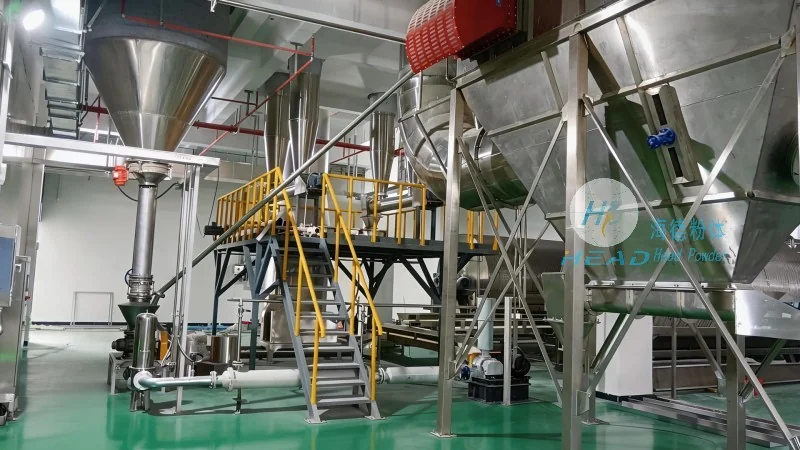
Shandong HeadPowder Engineering Co., Ltd., a leading manufacturer in the field of bulk material handling equipment, specializes in the design, manufacturing, and supply of pneumatic conveying systems tailored to the needs of biomass pellet processing industries. With a focus on innovation and quality, HeadPowder provides customized solutions that meet the specific requirements of each client. The company's headquarters is located in Shandong, China, and it has a strong reputation for delivering reliable and efficient conveying systems that enhance productivity and reduce operational costs. HeadPowder's expertise in both positive and negative pressure conveying systems allows it to offer comprehensive solutions that address the unique challenges of biomass pellet transportation.

 Shandong Headpowder Engineering Co., Ltd.
 156-6277-7102(Manager Zhang)
  0531-83386006
  Zhangqiu District, Jinan City, Shandong Province, China
telephone
WeChatconsult
top