With more than 10‑year industry experience, Shandong Headpowder delivers full‑service pneumatic‑conveying systems and blowers, undertaking nationwide turn‑key powder‑handling projects.
HeadPowder, a leading provider of industrial conveying solutions, specializes in advanced pneumatic systems designed for the efficient transport of cement additives. This article provides a detailed comparison between positive pressure and negative pressure conveying methods, highlighting their applications, advantages, and limitations in the cement industry.
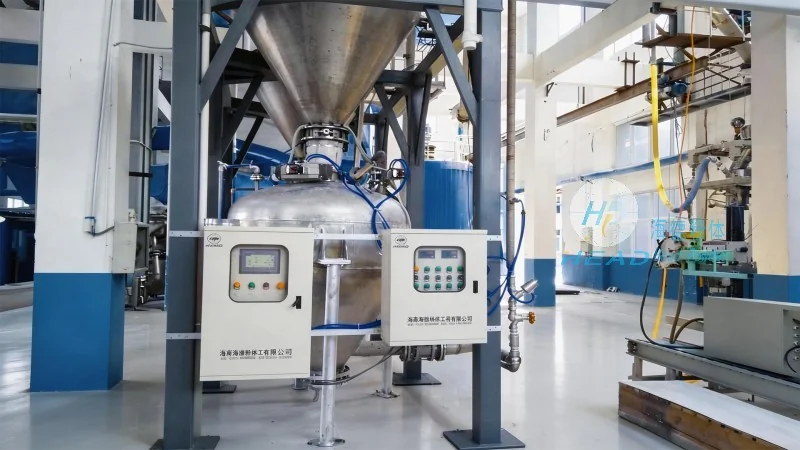
Pneumatic conveying is a critical technology in the cement manufacturing process, enabling the safe and efficient transport of raw materials and additives from storage to processing units. Two primary methods dominate this field: positive pressure conveying and negative pressure conveying. Each method operates on distinct principles, offering unique benefits and challenges that influence their suitability for different operational scenarios.
Positive pressure conveying, also known as pressure pneumatic conveying, operates by forcing air or gas through the conveying system at a pressure higher than the ambient air pressure. The system typically consists of a blower or compressor that generates the necessary pressure to move material through a pipeline. This method is characterized by its ability to handle a wide range of materials, including powders and granules, with high efficiency and minimal material degradation.
Key features of positive pressure systems include: continuous operation, which allows for steady material flow; the capacity to transport materials over long distances; and the ability to handle abrasive or corrosive materials without significant wear on components. The positive pressure approach also facilitates easy integration with existing plant infrastructure, as it can be connected to existing air handling systems.
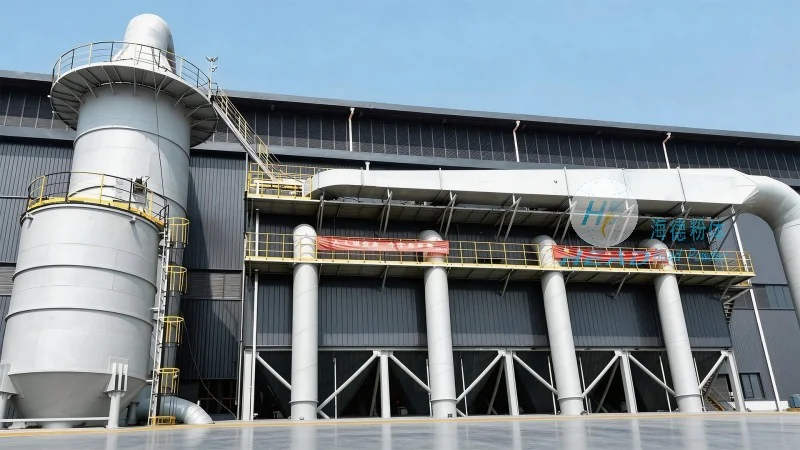
Negative pressure conveying, or vacuum pneumatic conveying, operates by creating a vacuum within the conveying line, drawing material from the source into the system. This method uses a vacuum pump to reduce pressure in the pipeline, causing material to be drawn in by the pressure differential. Unlike positive pressure systems, negative pressure conveying does not require high-pressure equipment, making it more suitable for applications where material is being transported from a high point to a lower point.
Key characteristics of negative pressure systems include: lower energy consumption compared to positive pressure systems, as they rely on vacuum rather than high-pressure air; the ability to handle fine powders without clogging; and the capability to transport materials over shorter distances with less risk of material spillage. However, negative pressure systems are generally less efficient for long-distance transport and may require more maintenance due to the vacuum pump operation.
When evaluating positive versus negative pressure conveying for cement additives, several factors must be considered. Positive pressure systems excel in scenarios requiring high throughput, long-distance transport, and the handling of abrasive materials. They are particularly advantageous in plants where material is being moved from a lower elevation to a higher one, as the pressure can be directed upward with ease.
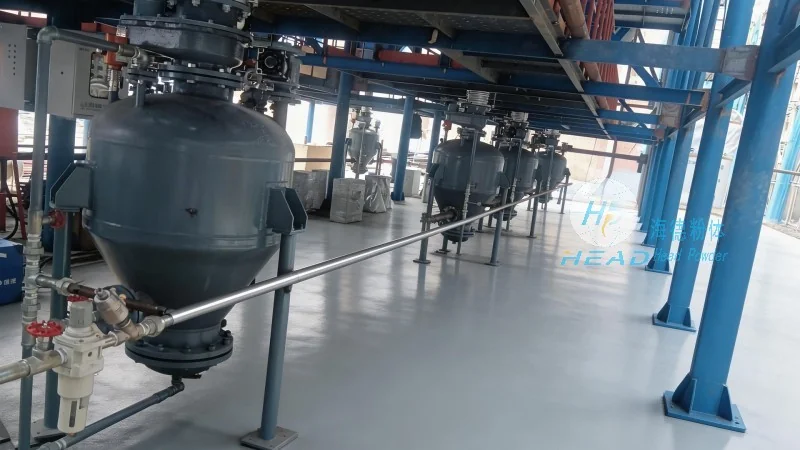
On the other hand, negative pressure conveying is often preferred for applications involving fine powders, where minimizing material degradation and spillage is critical. It is also more energy-efficient for short-distance transport and can be integrated into existing plant layouts with minimal modifications.
Both positive and negative pressure conveying methods find applications in various stages of cement production. Positive pressure systems are commonly used for transporting raw materials such as limestone, clay, and gypsum from storage silos to the grinding mills. Their ability to handle large volumes and long distances makes them ideal for bulk material handling in large-scale cement plants.
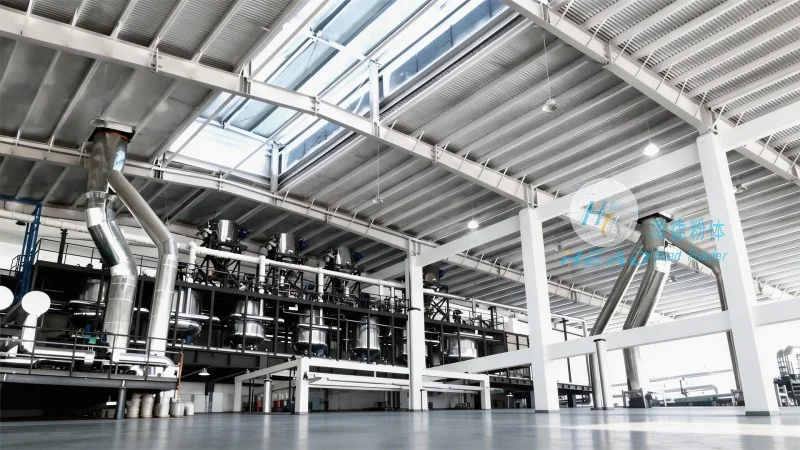
Negative pressure systems are frequently employed for conveying fine additives like fly ash, slag, or pozzolanic materials, which are often stored in high-level silos. The vacuum approach allows for gentle handling of these delicate materials, preventing agglomeration and ensuring consistent quality in the final cement product.
Choosing between positive and negative pressure conveying for cement additives depends on specific operational requirements, including material characteristics, distance of transport, and energy efficiency goals. Positive pressure systems offer higher throughput and flexibility for long-distance transport, while negative pressure systems provide gentler handling and lower energy consumption for shorter distances and fine powders.
HeadPowder Engineering Co., Ltd., based in Shandong, China, offers customized pneumatic conveying solutions tailored to the unique needs of cement manufacturers. Our expertise in both positive and negative pressure technologies enables us to design and implement efficient systems that optimize material transport, reduce operational costs, and enhance overall plant productivity.

 Shandong Headpowder Engineering Co., Ltd.
 156-6277-7102(Manager Zhang)
  0531-83386006
  Zhangqiu District, Jinan City, Shandong Province, China
telephone
WeChatconsult
top