With more than 10‑year industry experience, Shandong Headpowder delivers full‑service pneumatic‑conveying systems and blowers, undertaking nationwide turn‑key powder‑handling projects.
Pneumatic conveying systems are essential in the processing and handling of lithium battery raw materials, offering efficient and flexible solutions for material transport. These systems utilize air or gas to move powders and granules, eliminating the need for mechanical components like belts or buckets. The two primary methods of pneumatic conveying are positive pressure and negative pressure systems, each with distinct characteristics and applications.
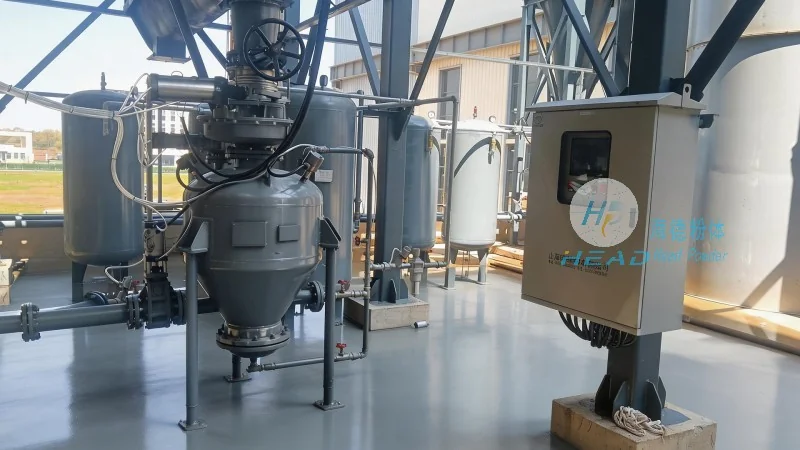
Positive pressure conveying, also known as pressure conveying, operates by blowing air or gas into the conveying line, creating a pressure higher than the ambient air pressure. This method is particularly effective for transporting materials over long distances or through complex piping networks. The system typically includes a blower or compressor at the inlet, which generates the necessary pressure to move the material. In the context of lithium battery raw materials, positive pressure systems are often used for handling fine powders and granules that require gentle handling to prevent agglomeration or degradation.
Key advantages of positive pressure conveying include its ability to handle abrasive materials, its suitability for long-distance transport, and the fact that it can operate with relatively low air velocities, reducing wear on the system components. However, it may require more energy compared to negative pressure systems, especially when dealing with high material loads or long distances. Additionally, positive pressure systems may need more maintenance due to the higher pressure and the potential for material buildup in the lines.
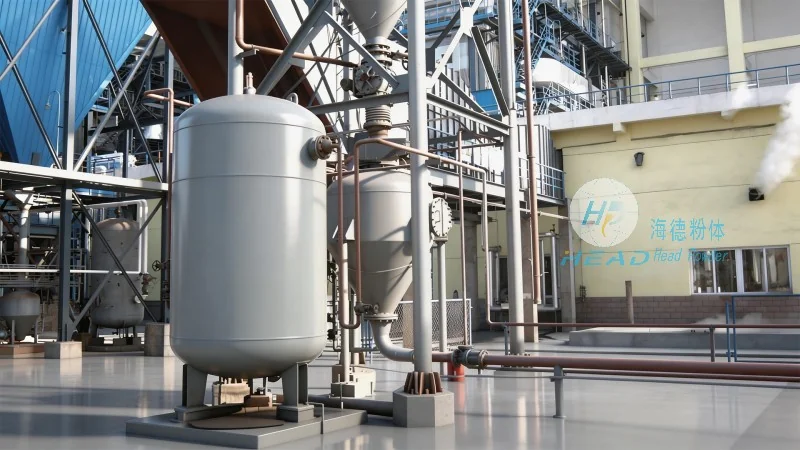
Negative pressure conveying, or vacuum conveying, works by creating a vacuum in the conveying line, drawing material from the source into the system. This method is commonly used for short-distance transport or when the material needs to be collected from multiple points. The system typically includes a vacuum pump at the outlet, which pulls the material through the line. For lithium battery raw materials, negative pressure systems are often employed for handling materials that are sensitive to air exposure, such as certain cathode active materials that may oxidize when exposed to air.
Advantages of negative pressure conveying include its lower energy consumption for short distances, the ability to handle materials from multiple sources simultaneously, and the fact that it can operate with higher air velocities, which helps in preventing material clogging. However, negative pressure systems may have limitations when it comes to long-distance transport, as the vacuum can weaken over longer distances, potentially reducing the material flow rate. They also require careful design to avoid air leaks, which could compromise the vacuum and affect the conveying efficiency.
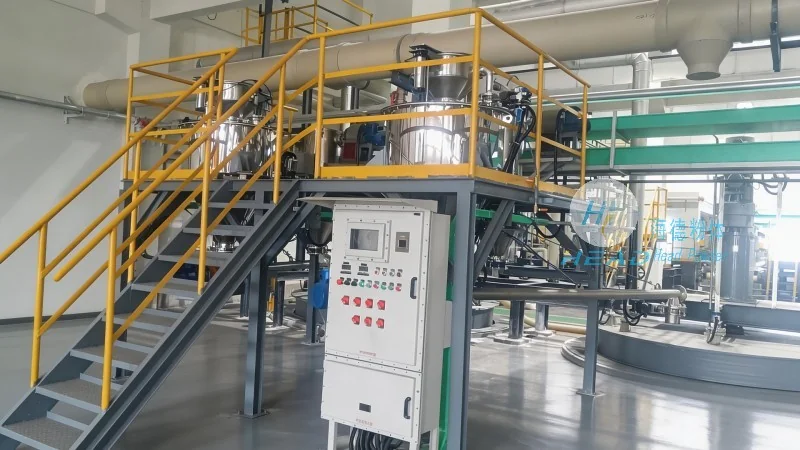
When selecting between positive and negative pressure conveying for lithium battery raw materials, several factors must be considered. The primary considerations include the distance of material transport, the material properties (such as particle size, moisture content, and abrasiveness), and the required handling conditions (e.g., air sensitivity or need for gentle handling). Positive pressure systems are generally more suitable for long-distance transport and handling of abrasive or fine powders, while negative pressure systems are better for short-distance transport and handling of sensitive materials.
From an operational perspective, positive pressure systems may offer higher reliability for long-term use, as they are less prone to air leaks and can maintain consistent pressure. Negative pressure systems, on the other hand, may be more energy-efficient for short distances but require more maintenance to ensure the vacuum integrity. The choice also depends on the available infrastructure and the specific production requirements of the lithium battery manufacturing facility.
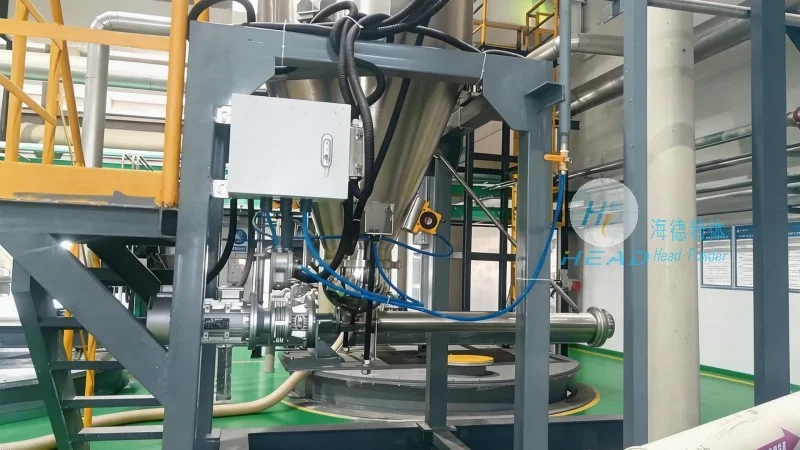
In the lithium battery manufacturing process, both positive and negative pressure conveying systems play critical roles in material handling. For example, in the production of cathode materials, positive pressure systems may be used to transport fine powders from storage silos to mixing and coating equipment, ensuring a consistent and controlled flow. In contrast, negative pressure systems might be employed to collect dust or waste materials from processing lines, maintaining a clean and safe working environment.
Companies like Shandong HeadPowder Engineering Co., Ltd. (headpowder) specialize in designing and manufacturing customized pneumatic conveying solutions tailored to the specific needs of lithium battery manufacturers. Their expertise in material handling and system design ensures that the chosen conveying method optimizes efficiency, reduces material loss, and maintains product quality. By understanding the unique characteristics of each material and the production requirements, headpowder can provide optimal solutions that enhance the overall performance of the lithium battery manufacturing process.

 Shandong Headpowder Engineering Co., Ltd.
 156-6277-7102(Manager Zhang)
  0531-83386006
  Zhangqiu District, Jinan City, Shandong Province, China
telephone
WeChatconsult
top