With more than 10‑year industry experience, Shandong Headpowder delivers full‑service pneumatic‑conveying systems and blowers, undertaking nationwide turn‑key powder‑handling projects.
HeadPowder, a leading enterprise in the field of material handling technology, specializes in the design, manufacturing, and installation of pneumatic conveying systems for various industrial applications. This article provides a comprehensive overview of bicarbonate of soda pneumatic conveying lines, focusing on their structural design and operational principles. The company, with its headquarters in Shandong, China, leverages advanced engineering solutions to meet the diverse needs of clients in the chemical, food, and pharmaceutical industries.
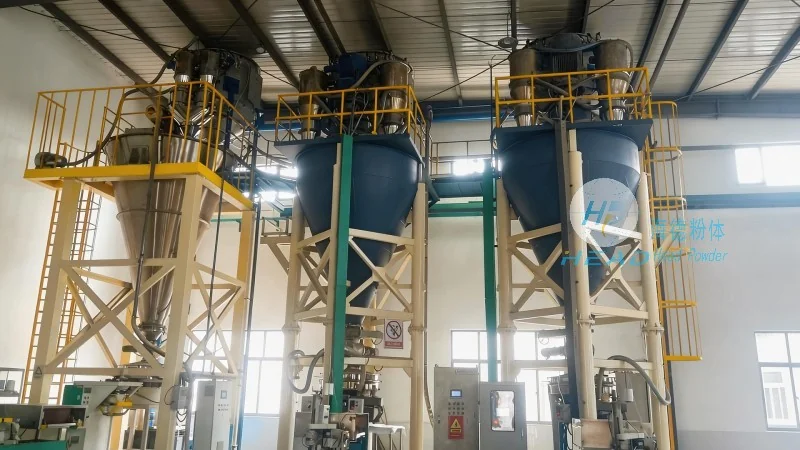
The bicarbonate of soda pneumatic conveying line typically consists of several critical components that work in concert to ensure efficient material transport. The primary components include the feeding system, the conveying pipeline, the air supply unit, and the separation and discharge equipment. The feeding system is designed to handle the bulk material of bicarbonate of soda, ensuring a consistent and controlled feed rate. This is often achieved through a hopper with a rotary valve or a screw feeder, which regulates the material flow into the pipeline. The conveying pipeline is usually made of stainless steel or other corrosion-resistant materials to accommodate the chemical properties of bicarbonate of soda and prevent contamination or degradation. The air supply unit, equipped with a blower or a compressor, generates the necessary airflow to create a positive or negative pressure system for conveying the material. The separation and discharge equipment, such as cyclones or bag filters, are crucial for separating the material from the air stream and ensuring clean discharge at the destination point.
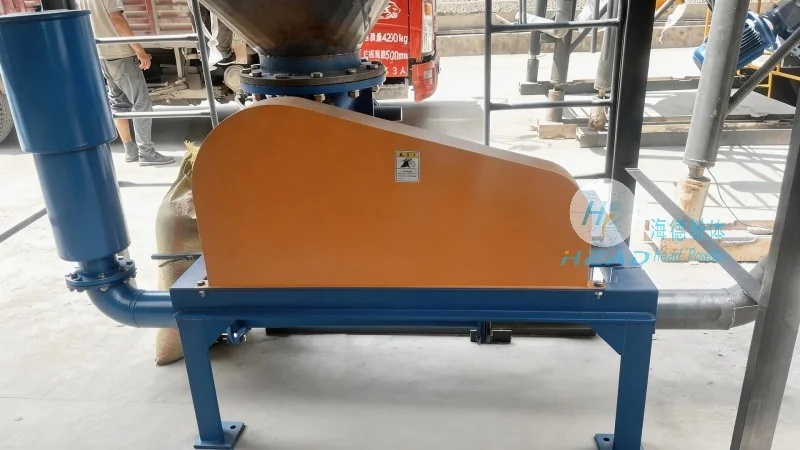
The pneumatic conveying process for bicarbonate of soda operates on the principle of air movement and material suspension. In a positive pressure system, the blower forces air through the pipeline, carrying the bicarbonate of soda particles along with it. The material is suspended in the air stream due to the velocity of the air, which is maintained at a level sufficient to keep the particles airborne. The pipeline design, including bends and fittings, is optimized to minimize pressure drop and maintain the air velocity required for effective conveying. In a negative pressure system, the material is drawn into the pipeline by a vacuum created by the fan, and the air is then filtered and recycled. The choice between positive and negative pressure depends on factors such as the material characteristics, the distance of transport, and the environmental considerations. The separation equipment at the end of the line removes the material from the air, allowing the air to be filtered and reused, thus enhancing energy efficiency and reducing operational costs.
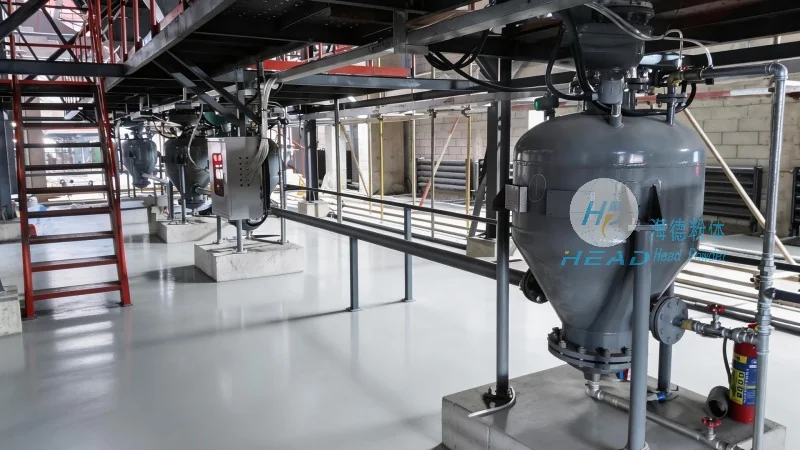
Bicarbonate of soda pneumatic conveying lines offer several advantages over traditional mechanical conveying methods. These include high efficiency in material transport, reduced labor costs due to automated systems, and improved safety by minimizing manual handling of bulk materials. The systems are also highly flexible, allowing for easy integration into existing production lines and the ability to transport materials over long distances without the need for intermediate storage or handling. In the chemical industry, these lines are commonly used for transporting bicarbonate of soda in the production of baking powders, cleaning agents, and other chemical products. In the food industry, they are employed to convey bicarbonate of soda for use in baking and food processing, ensuring hygienic and efficient handling. The pharmaceutical industry also benefits from these systems, as they provide a clean and controlled environment for handling active ingredients, reducing the risk of contamination and ensuring product quality.
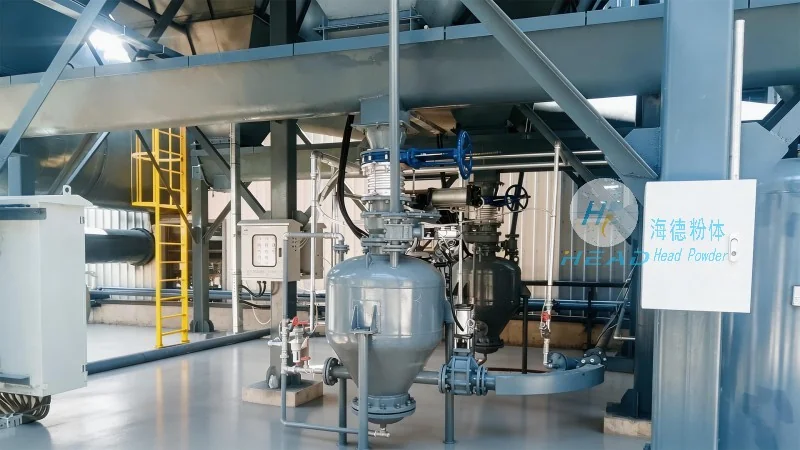
HeadPowder Engineering Co., Ltd., with its base in Shandong, China, possesses extensive experience in the engineering and installation of pneumatic conveying systems. The company's team of engineers and technicians utilizes advanced design software and adheres to international standards to develop customized solutions tailored to each client's specific requirements. The design process involves thorough analysis of the material properties, the required conveying distance, and the operational conditions to ensure optimal performance. The installation phase is carried out with precision, ensuring that all components are properly aligned and connected to achieve seamless operation. HeadPowder also provides comprehensive after-sales support, including maintenance services and technical assistance, to ensure the long-term reliability and efficiency of the conveying lines. The company's commitment to quality and customer satisfaction has established it as a trusted partner in the material handling industry, serving clients both domestically and internationally.

 Shandong Headpowder Engineering Co., Ltd.
 156-6277-7102(Manager Zhang)
  0531-83386006
  Zhangqiu District, Jinan City, Shandong Province, China
telephone
WeChatconsult
top