With more than 10‑year industry experience, Shandong Headpowder delivers full‑service pneumatic‑conveying systems and blowers, undertaking nationwide turn‑key powder‑handling projects.
HeadPowder, a leading manufacturer based in Shandong, China, specializes in the design and production of advanced material handling equipment. This article provides an overview of the fully automatic material feeding pneumatic conveying system, detailing its key components, operational principles, and practical applications in industrial settings.
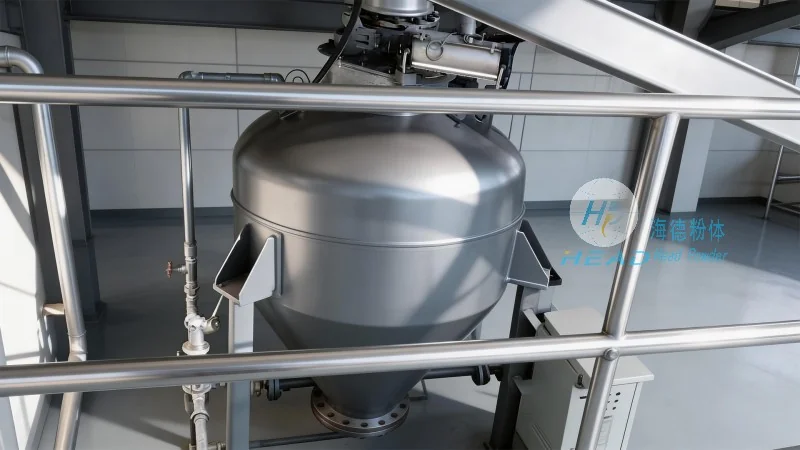
The fully automatic material feeding pneumatic conveying system is engineered to efficiently transport bulk materials such as powders, granules, and fine particles from one location to another within a production facility. This technology eliminates the need for manual labor in material handling, enhancing safety, reducing operational costs, and improving overall productivity. The system operates by using compressed air to create a flow of material through a network of pipes, ensuring a continuous and controlled transfer process.
The fully automatic material feeding pneumatic conveying system comprises several critical components that work in tandem to achieve seamless material transfer. The primary components include the material hopper, which serves as the storage and feeding unit, the air compressor that generates the necessary pressure for conveying, the conveying pipes that form the transport network, and the control system that manages the entire operation. Each component is designed with precision to ensure optimal performance and reliability.
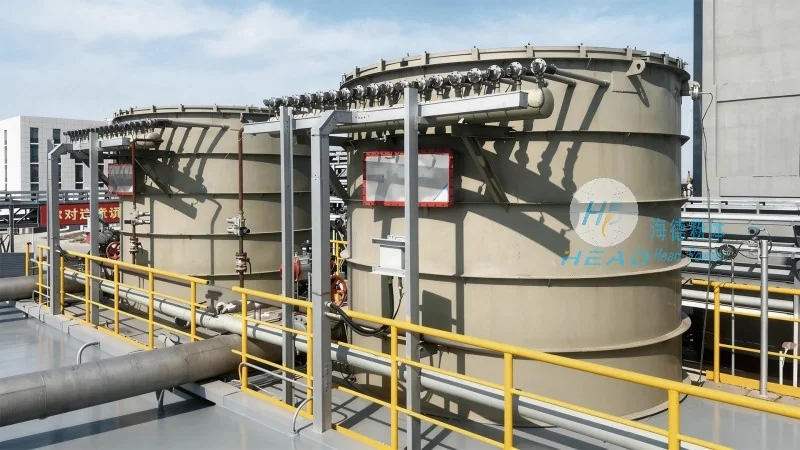
The material hopper is typically equipped with a feeding mechanism, such as a rotary valve or a screw feeder, which regulates the flow of material into the system. This ensures a consistent and controlled feed rate, preventing blockages and maintaining the integrity of the material being transported. The air compressor, often a high-efficiency model, provides the required air pressure to create the pneumatic flow. The conveying pipes are made of durable materials, such as stainless steel or PVC, to withstand the abrasive nature of the materials and the pressure of the compressed air.
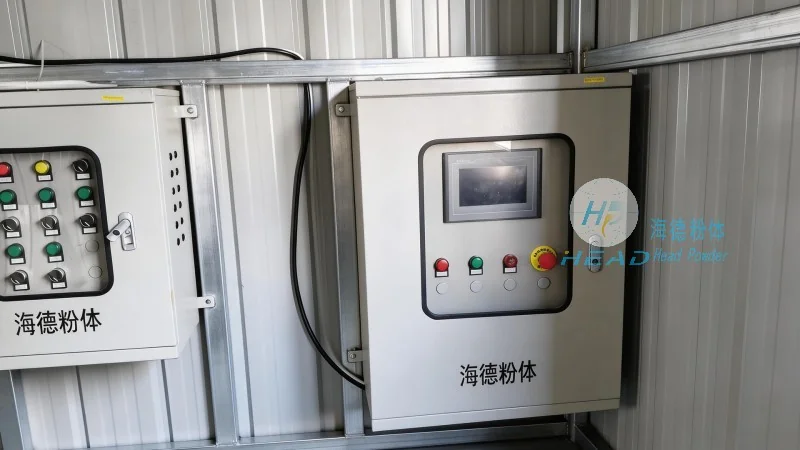
The system operates on the principle of pneumatic conveying, where compressed air is used to create a low-pressure or high-pressure environment that propels the material through the pipes. The material is drawn into the conveying line by the air flow, and the system maintains a continuous flow by adjusting the air pressure and material feed rate. The control system plays a crucial role in monitoring and regulating the operation, ensuring that the system runs smoothly and efficiently.
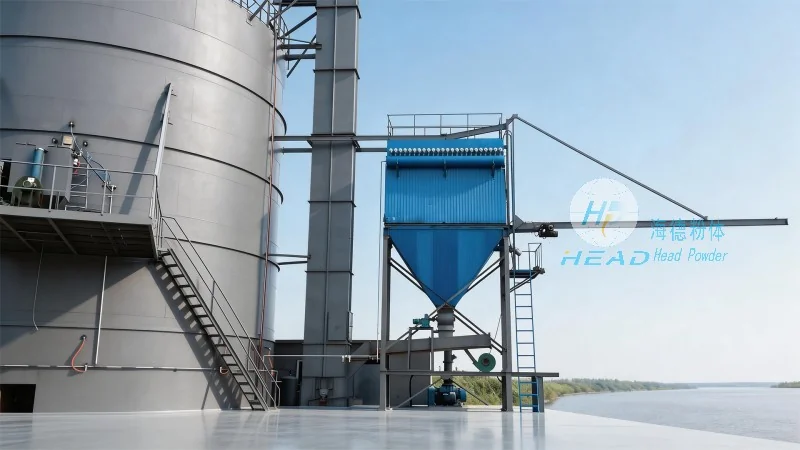
During operation, the material is first introduced into the material hopper. The feeding mechanism then transfers the material into the conveying pipes, where it is carried by the air flow to the destination point. The control system continuously monitors the pressure, flow rate, and material level, making real-time adjustments to maintain optimal performance. This automated process minimizes human intervention, reducing the risk of errors and improving the overall efficiency of the material handling process.
The fully automatic material feeding pneumatic conveying system offers numerous advantages over traditional manual or mechanical conveying methods. These include enhanced safety by eliminating the need for manual handling of bulk materials, reduced labor costs due to automation, and improved product quality by minimizing material contamination and degradation. The system is widely used in various industries, including food processing, pharmaceuticals, chemicals, and mining, where the handling of powders and granules is essential.
In the food industry, for example, the system is used to transport ingredients such as flour, sugar, and spices from storage to production lines, ensuring a hygienic and efficient process. In the pharmaceutical sector, the system is employed to convey active pharmaceutical ingredients (APIs) and other fine powders, maintaining strict quality control standards. The mining industry utilizes the system to transport ore and other bulk materials from mining sites to processing facilities, improving operational efficiency and reducing transportation costs.
HeadPowder's fully automatic material feeding pneumatic conveying system represents a significant advancement in material handling technology. By integrating advanced components and automated control systems, the system provides a reliable, efficient, and cost-effective solution for industrial material transfer. With its robust design and versatile applications, this system is an essential asset for modern manufacturing facilities seeking to enhance productivity and operational safety. HeadPowder, with its headquarters in Shandong, China, continues to innovate and provide high-quality material handling solutions to meet the evolving needs of various industries.

 Shandong Headpowder Engineering Co., Ltd.
 156-6277-7102(Manager Zhang)
  0531-83386006
  Zhangqiu District, Jinan City, Shandong Province, China
telephone
WeChatconsult
top