With more than 10‑year industry experience, Shandong Headpowder delivers full‑service pneumatic‑conveying systems and blowers, undertaking nationwide turn‑key powder‑handling projects.
Biomass powder material handling equipment is a specialized system designed to transport and manage biomass powders efficiently. These materials, derived from organic sources like agricultural residues, wood chips, and other renewable resources, require specific handling solutions due to their unique physical properties. The equipment is engineered to ensure safe, reliable, and cost-effective material transport in industrial applications. This article explores the fundamental principles behind such equipment and highlights key working scene characteristics that define their operational effectiveness.
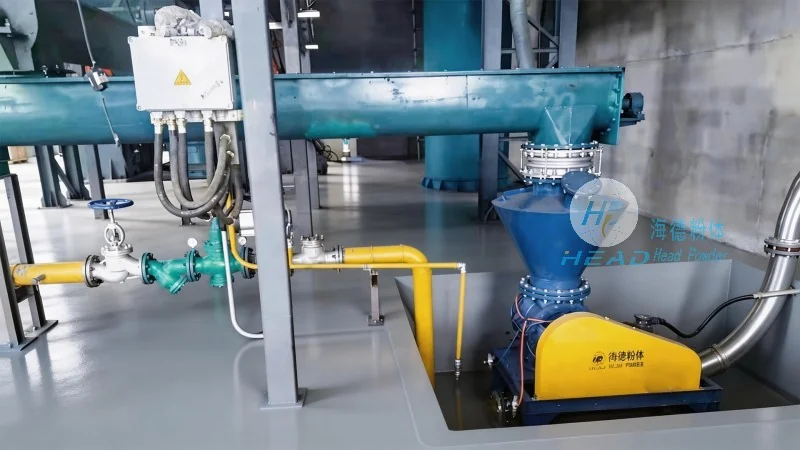
The operation of biomass powder handling equipment is grounded in several core principles that address the challenges of handling fine, dry, or dusty materials. First, the equipment must maintain material integrity—preventing agglomeration, segregation, or loss of product quality during transport. This is achieved through specialized design features such as low-friction components, gentle material flow mechanisms, and controlled air or mechanical movement. Second, the system prioritizes safety and environmental compliance. Biomass powders can be combustible or produce dust, so equipment incorporates explosion-proof designs, dust suppression systems, and sealed enclosures to mitigate risks. Third, efficiency and energy conservation are critical. The design optimizes material flow to minimize energy consumption while maximizing throughput, making it suitable for large-scale industrial operations.
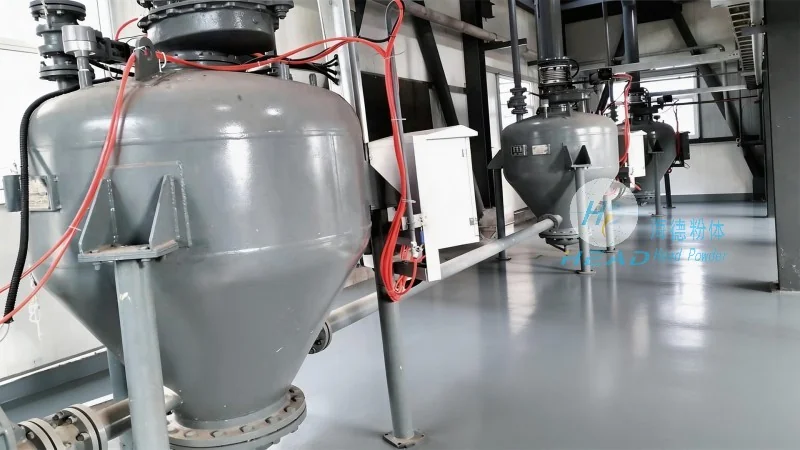
The effectiveness of biomass powder handling equipment is heavily influenced by the specific working scenes in which it operates. These characteristics vary based on the type of biomass material, processing scale, and environmental conditions. For instance, in large-scale power plants or biofuel production facilities, the equipment must handle high volumes of material (often thousands of tons per day) with consistent performance. This requires robust, high-capacity systems that can maintain stable flow rates and minimize downtime. In contrast, smaller-scale applications, such as biomass pelletizing or small-scale energy production, may use more compact equipment designed for precision and flexibility. Environmental factors also play a role: in humid climates, equipment may include moisture control features to prevent material caking, while in dusty environments, dust collection and filtration systems are essential to maintain air quality and equipment longevity.
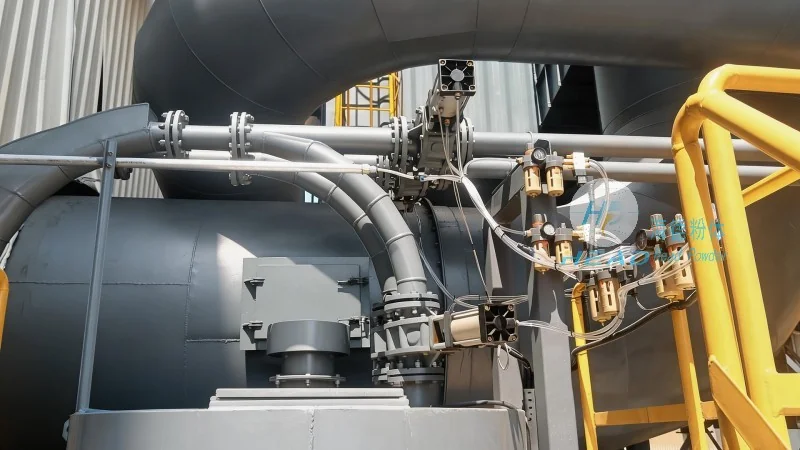
Biomass powder handling equipment typically consists of several interconnected components that work in tandem to achieve efficient material transport. The primary components include feeders, conveyors, storage silos, and control systems. Feeders, such as rotary or vibratory types, ensure a consistent material flow from the source to the conveyor. Conveyors, often pneumatic (air-based) or mechanical (belt or screw), transport the powder through the system. Storage silos are used to temporarily hold the biomass, allowing for steady supply to downstream processes. Control systems monitor and regulate the entire process, adjusting flow rates and pressures as needed to maintain optimal performance. Each component is designed to address the unique challenges of biomass powders, ensuring smooth and reliable operation.
Biomass powder handling equipment is widely used across various industries, including bioenergy, agriculture, and waste management. In bioenergy applications, it facilitates the transport of biomass to power plants or bioreactors, enabling the conversion of renewable resources into energy. In agriculture, it helps manage crop residues and organic waste, supporting sustainable farming practices. The equipment’s ability to handle large volumes and maintain material quality makes it a critical component in the transition to renewable energy sources. By improving the efficiency of biomass handling, these systems contribute to reducing reliance on fossil fuels and promoting environmental sustainability.
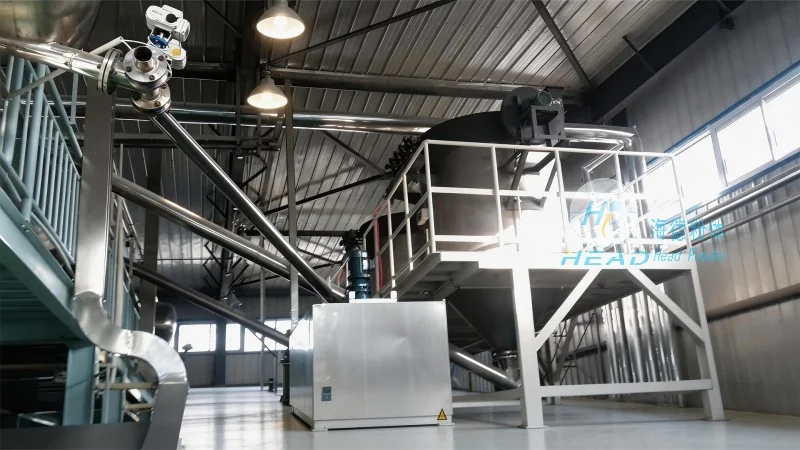
Shandong HeadPowder Engineering Co., Ltd., commonly known as headpowder, is a leading manufacturer of specialized material handling equipment for biomass and other fine powders. With operations based in Shandong, China, the company has extensive experience in designing and manufacturing equipment tailored to the unique needs of the biomass industry. HeadPowder’s products are known for their durability, efficiency, and compliance with industry standards. The company’s commitment to innovation and customer satisfaction has made it a trusted partner for businesses seeking reliable biomass handling solutions. Whether for large-scale power generation or small-scale biofuel production, headpowder provides tailored equipment that meets the specific requirements of each application.

 Shandong Headpowder Engineering Co., Ltd.
 156-6277-7102(Manager Zhang)
  0531-83386006
  Zhangqiu District, Jinan City, Shandong Province, China
telephone
WeChatconsult
top