

Principle and Working Scene Characteristics of Continuous Material Loading Conveying Lines
Shandong HeadPowder Engineering Co., Ltd., located in Shandong, China, specializes in the design, manufacturing, and installation of material handling systems. The company focuses on providing advanced solutions for continuous material loading conveyors that enhance material flow efficiency across various industrial applications.
Principle of Continuous Material Loading Conveyors
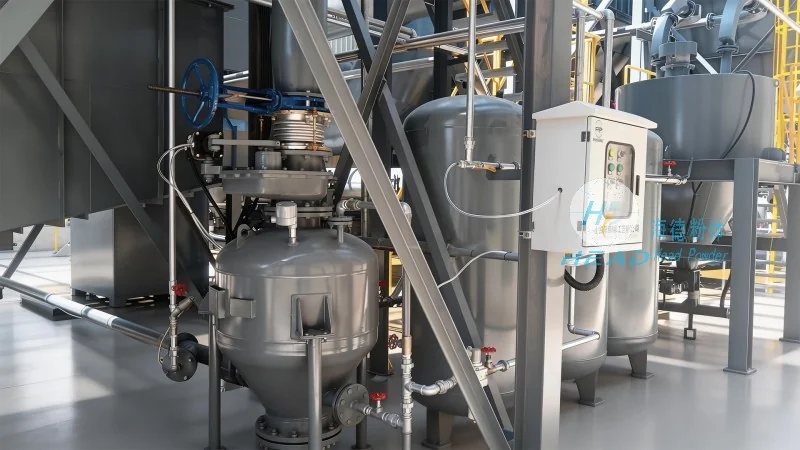
Continuous material loading conveyors operate on the principle of unbroken, continuous movement of bulk materials. These systems are engineered to transport materials from a source, such as a hopper or storage bin, to a processing or packaging station without interruption. The core mechanism typically involves a conveyor belt, chain, or roller system that moves materials along a defined path. Key components include drive motors, tensioning devices, and support structures that ensure smooth and consistent operation. Advanced models may incorporate sensors and control systems to monitor material levels, adjust conveyor speed, and integrate with upstream or downstream equipment, enhancing overall efficiency and reliability.
Working Scene Characteristics
The working scene characteristics of continuous material loading conveyors are tailored to meet the specific demands of different industries and operational environments. In manufacturing plants, these conveyors are critical for feeding raw materials into production lines, ensuring a steady and uninterrupted supply of materials for assembly, processing, or packaging. They are often integrated with automated systems, such as robotic arms or sorting mechanisms, to streamline the material handling process and reduce manual intervention.
In the food and beverage industry, continuous loading conveyors are designed with hygiene and sanitation in mind. Stainless steel construction, easy-to-clean surfaces, and sealed components are common features to comply with regulatory standards. These systems are used to transport ingredients, finished products, or packaging materials, maintaining product quality and preventing contamination. The conveyor design may include gentle material handling features, such as low-friction belts or adjustable speed controls, to avoid damaging sensitive products.
In the chemical and pharmaceutical sectors, continuous material loading conveyors are engineered to handle materials with strict temperature, contamination, or material compatibility requirements. These systems often incorporate specialized materials for the conveyor components, such as food-grade plastics or corrosion-resistant metals, and sealed enclosures to prevent material leakage or cross-contamination. Advanced control systems may include temperature monitoring and material flow sensors to ensure compliance with industry standards and maintain product integrity throughout the handling process.
Application Examples
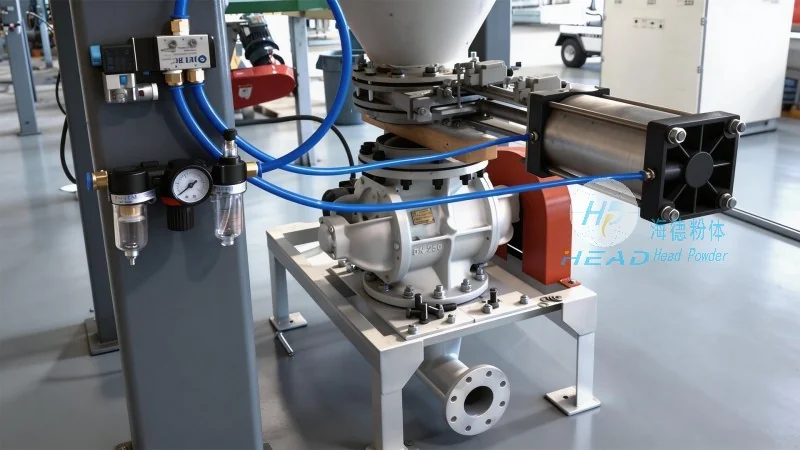
Continuous material loading conveyors are widely used across various sectors, including but not limited to:
1. Manufacturing: Feeding raw materials into production lines for assembly, such as automotive parts, electronics, or consumer goods.
2. Food Processing: Transporting ingredients, finished products, or packaging materials in compliance with food safety regulations.
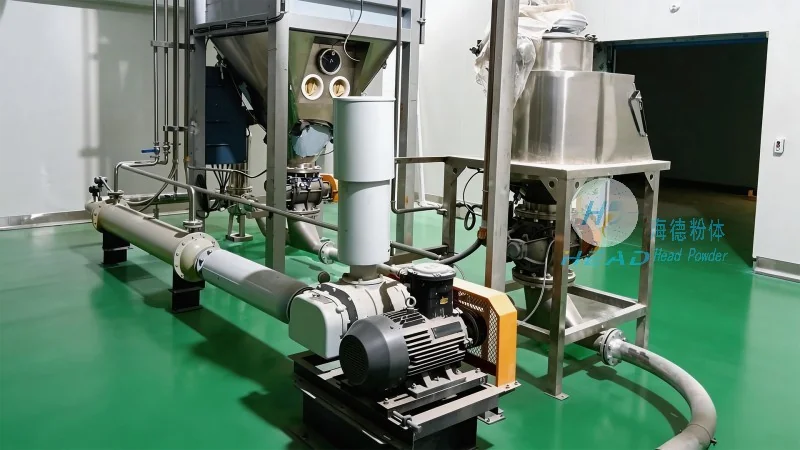
3. Pharmaceutical Manufacturing: Handling raw materials or finished drugs with strict quality control and contamination prevention measures.
4. Bulk Material Handling: Transporting granular or powdery materials (like powders, grains, or minerals) from storage to processing or packaging stations.
Advantages in Industrial Operations
The implementation of continuous material loading conveyors in industrial settings offers several advantages. Firstly, they enhance operational efficiency by providing a continuous flow of materials, reducing downtime and increasing production throughput. Secondly, these systems improve safety by minimizing manual handling of heavy or hazardous materials, lowering the risk of workplace accidents. Thirdly, the integration of sensors and control systems allows for real-time monitoring and adjustment of material flow, ensuring optimal performance and reducing waste. Finally, the modular design of many conveyor systems enables easy customization and expansion to accommodate changing production needs or increased material volumes.
Conclusion
Continuous material loading conveyors, as a fundamental component of modern material handling systems, play a crucial role in optimizing industrial operations. By understanding their principles and working scene characteristics, businesses can select and implement the most suitable conveyor solutions to enhance productivity, ensure product quality, and maintain operational efficiency. Shandong HeadPowder Engineering Co., Ltd. continues to innovate in this field, providing tailored conveyor systems that meet the diverse needs of various industries.