With more than 10‑year industry experience, Shandong Headpowder delivers full‑service pneumatic‑conveying systems and blowers, undertaking nationwide turn‑key powder‑handling projects.
For industrial applications involving the handling of PUR (polyurethane) materials, efficient and reliable material transport is crucial. The pneumatic conveying system, particularly designed for PUR materials, offers a solution that combines performance with operational simplicity. This article explores the operation process and working principle of such equipment, highlighting key components and the systematic approach to material handling, all developed by Shandong HeadPowder Engineering Co., Ltd., a leading manufacturer in the field.
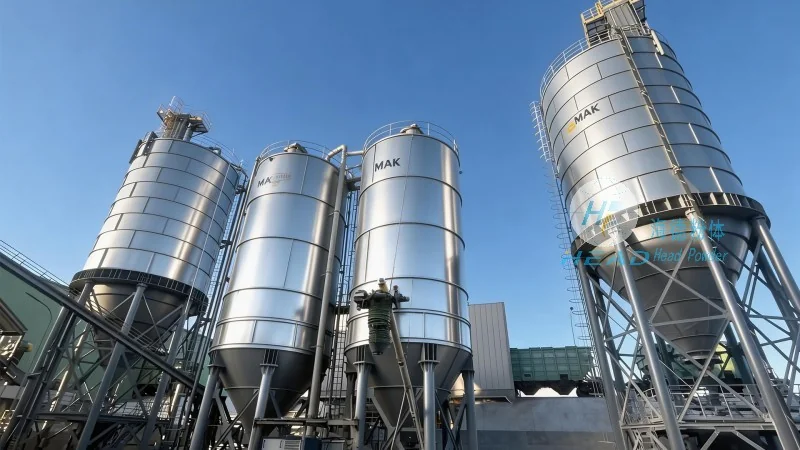
The PUR material pneumatic conveying system typically consists of several core components that work in tandem to ensure smooth material transport. These include the material hopper, which serves as the storage and feeding unit; the air compressor or blower, responsible for generating the necessary airflow; the conveying line, which can be either a rigid pipe or flexible hose; and the discharge point where the material is released. Additionally, a filter system is integrated to capture any fine particles and maintain air quality, while a pressure regulator ensures consistent air pressure throughout the process. Each component is engineered to handle the specific characteristics of PUR materials, such as their density and flowability, ensuring optimal performance.
The operation of the PUR material pneumatic conveying equipment follows a systematic sequence. Initially, the PUR material is fed into the material hopper from the storage container. The air compressor then activates, generating a controlled airflow that draws the material from the hopper into the conveying line. As the material travels through the pipe, it is suspended and transported by the air current. The conveying line may include bends, expansions, or reductions, which are designed to accommodate changes in direction and pressure, ensuring the material moves efficiently without blockages. At the discharge point, the material is released under controlled conditions, often into a collection bin or processing unit. The entire process is automated, with sensors monitoring key parameters to maintain consistent performance.
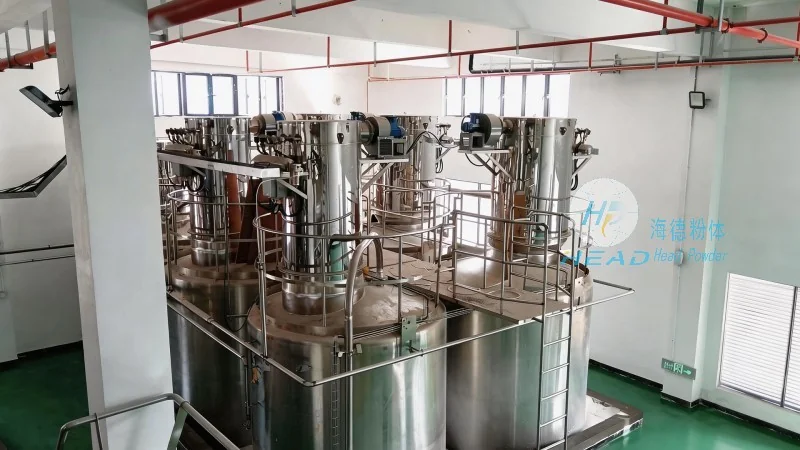
The operation process of the PUR material pneumatic conveying system involves several distinct steps, each critical to the overall efficiency and safety of the system. First, the material is loaded into the hopper, ensuring a consistent feed rate. Next, the air compressor is started, and the system is pressurized to the required level. The material is then initiated into the conveying line, with the airflow maintaining the material in suspension. During transport, the system monitors pressure and flow rates to detect any anomalies, such as blockages or low material levels. The discharge process is carefully controlled to prevent spillage and ensure the material is deposited accurately. Finally, the system is shut down, and the air compressor is turned off, with the filter system activated to clear any residual particles from the air. This step-by-step approach ensures that the system operates smoothly and reliably, minimizing downtime and maximizing productivity.
Implementing a pneumatic conveying system for PUR materials offers several advantages over traditional methods like belt conveyors or manual handling. Firstly, it provides a dust-free and hygienic environment, which is essential for materials that may be sensitive to contamination. Secondly, the system is highly efficient, with minimal material loss and reduced labor costs. Additionally, the compact design of the equipment saves space in industrial facilities, making it suitable for both large-scale and small-scale operations. The ability to handle materials in bulk also enhances productivity, as it eliminates the need for frequent material handling and reduces downtime. Furthermore, the system can be integrated with other processing equipment, creating a seamless workflow that improves overall operational efficiency.
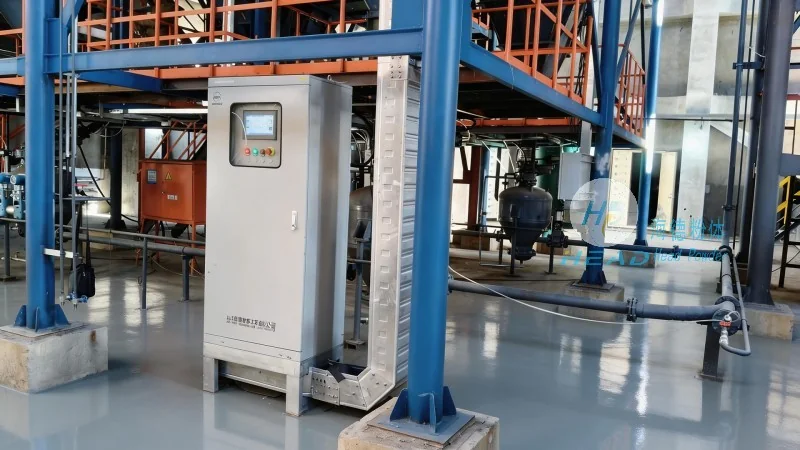
PUR material pneumatic conveying equipment is widely used in various industries that require the handling of polyurethane materials. These include the manufacturing of foams, coatings, and adhesives, where the material needs to be transported from storage to processing units. The automotive industry also utilizes such systems for transporting PUR components, while the construction sector benefits from the efficient handling of PUR-based insulation materials. In addition, the food and pharmaceutical industries may use specialized versions of the system to handle PUR materials that require strict hygiene standards. The versatility of the system makes it suitable for a wide range of applications, from small-scale production to large-scale industrial operations.
To ensure the long-term performance and safety of the PUR material pneumatic conveying system, regular maintenance is essential. This includes checking the air compressor for proper operation, inspecting the conveying line for any signs of wear or damage, and cleaning the filter system to maintain air quality. The air compressor should be checked for oil levels and filter changes, as these affect the system's efficiency and lifespan. The conveying line may require periodic cleaning to prevent buildup of material residues, which can affect airflow and cause blockages. Safety considerations are also critical, as the system operates under pressure and with moving parts. Proper training for operators is necessary to handle the equipment safely, and emergency shut-off procedures should be clearly defined and practiced regularly. Additionally, the system should be equipped with pressure relief valves to prevent over-pressurization and ensure safe operation. By following these maintenance and safety guidelines, the system can operate reliably for extended periods, providing consistent performance and minimizing the risk of accidents.

 Shandong Headpowder Engineering Co., Ltd.
 156-6277-7102(Manager Zhang)
  0531-83386006
  Zhangqiu District, Jinan City, Shandong Province, China
telephone
WeChatconsult
top