With more than 10‑year industry experience, Shandong Headpowder delivers full‑service pneumatic‑conveying systems and blowers, undertaking nationwide turn‑key powder‑handling projects.
HeadPowder, a leading engineering company based in Shandong, China, specializes in the design and implementation of advanced pneumatic conveying systems tailored for activated carbon granular materials. This article delves into the operational process and underlying principles of such systems, providing a comprehensive understanding of their functionality and efficiency.
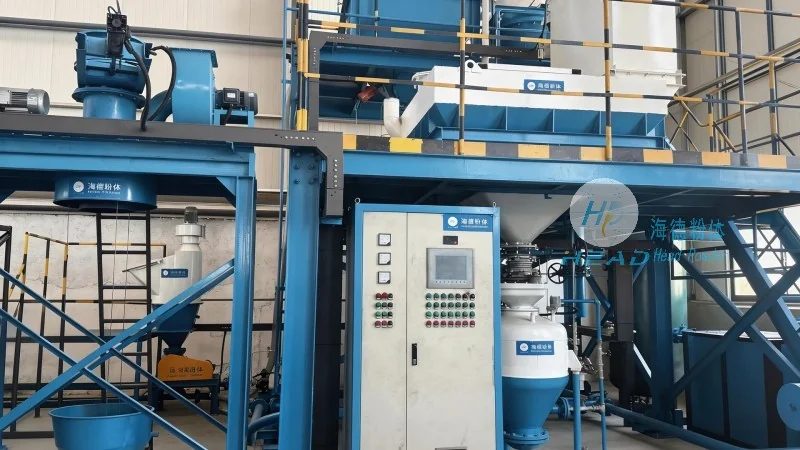
The pneumatic conveying line for activated carbon granular materials is a sophisticated system designed to transport bulk materials through a pipeline using compressed air or other gas streams. This method offers numerous advantages over traditional mechanical conveying, including reduced equipment wear, minimal product contamination, and the ability to handle materials with high moisture content or abrasive properties. The system typically consists of several key components, including a hopper for material storage, a feeder to control the flow rate, a conveying line, and a receiver for material discharge. Each component plays a crucial role in ensuring the smooth and efficient operation of the entire process.
1. Hopper (Storage Bin): The hopper is the initial component where activated carbon granules are stored before being conveyed. It is designed with a conical or hopper-shaped structure to facilitate uniform material flow and prevent bridging or caking, which can impede the conveying process. The hopper is often equipped with a level indicator to monitor the material inventory and a venting system to manage pressure and air flow.
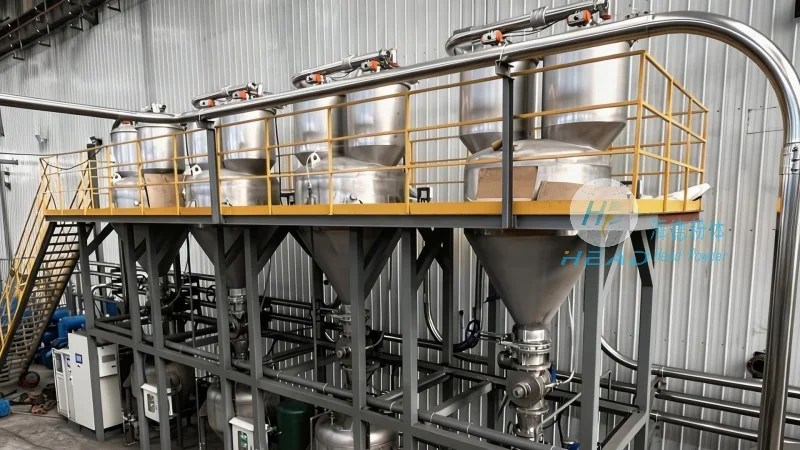
2. Feeder (Metering Device): The feeder is responsible for controlling the precise flow rate of activated carbon granules into the conveying line. Common types include rotary valves, screw feeders, or vibratory feeders, each chosen based on the material characteristics and required flow rates. The feeder ensures consistent material delivery, which is critical for maintaining the stability of the conveying system and preventing surges or blockages.
3. Conveying Line (Pipeline): The pipeline is the core of the pneumatic conveying system, where compressed air or gas propels the activated carbon granules. The line is typically made of corrosion-resistant materials, such as stainless steel or polyethylene, to withstand the abrasive nature of the granular material and the effects of moisture or chemicals. The design of the pipeline, including the diameter, length, and bends, is optimized to minimize pressure drop and energy consumption while ensuring the material is transported at the desired velocity.
4. Receiver (Discharge Bin): The receiver is the final component where the activated carbon granules are deposited after being conveyed through the pipeline. It is designed to collect the material efficiently and may include a discharge valve or outlet to transfer the material to the next processing stage. The receiver is often equipped with a dust collection system to control airborne particles and maintain a clean working environment.
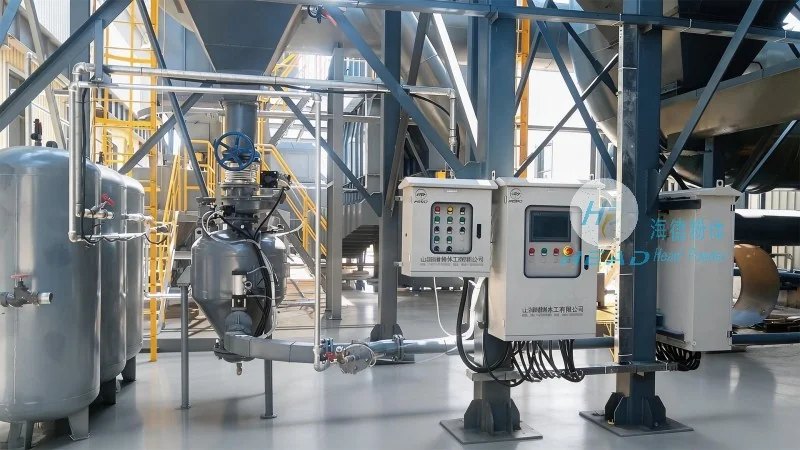
The operation of the pneumatic conveying line for activated carbon granular materials involves a sequence of steps that ensure the material is transported from the hopper to the receiver without interruption. The process begins with the activation of the system, where compressed air is introduced into the pipeline. The feeder then starts to discharge the activated carbon granules into the pipeline, where they are entrained by the air stream and carried to the receiver. The air flow is carefully controlled to maintain the appropriate velocity, which is essential for preventing material deposition or blockages in the pipeline. As the material travels through the conveying line, it experiences a combination of drag and lift forces, allowing it to move efficiently through the system.
During the conveying process, the system monitors key parameters such as pressure, flow rate, and material level to ensure optimal performance. Any deviations from the set points are automatically adjusted by the control system to maintain stability. For example, if the pressure in the pipeline drops, the system may increase the air flow rate to maintain the conveying velocity. Similarly, if the material level in the hopper decreases, the feeder may adjust its speed to compensate and prevent a stoppage in the process.

 Shandong Headpowder Engineering Co., Ltd.
 156-6277-7102(Manager Zhang)
  0531-83386006
  Zhangqiu District, Jinan City, Shandong Province, China
telephone
WeChatconsult
top