

What are the methods for conveying quartz powder?
When it comes to handling and transporting quartz powder, selecting the right conveyance method is crucial for efficiency, cost-effectiveness, and product integrity. Quartz powder, with its fine particle size and potential for static electricity, requires specialized equipment to ensure safe and reliable movement. This article explores the primary methods used for quartz powder conveyance, highlighting the advantages and considerations of each approach. The information is provided by Shandong HeadPowder Engineering Co., Ltd., a leading manufacturer specializing in powder handling solutions for industrial applications.
1. Air-Pneumatic Conveying Systems
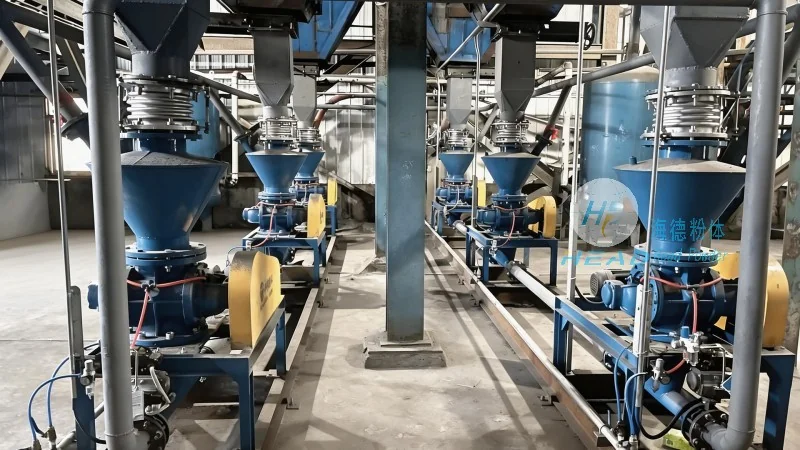
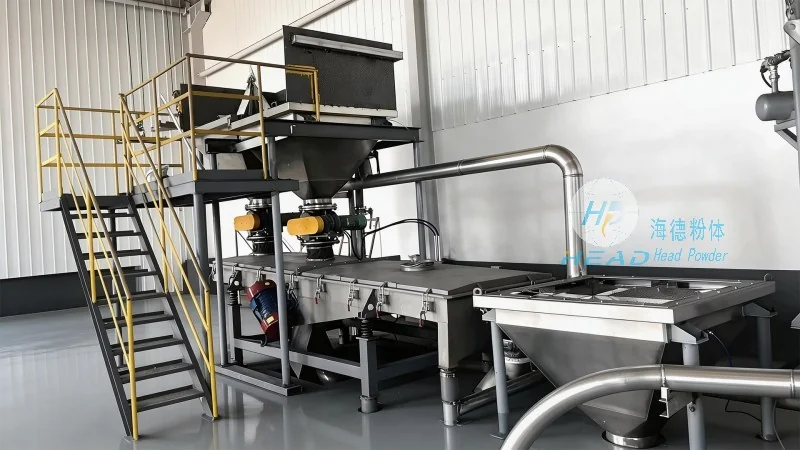
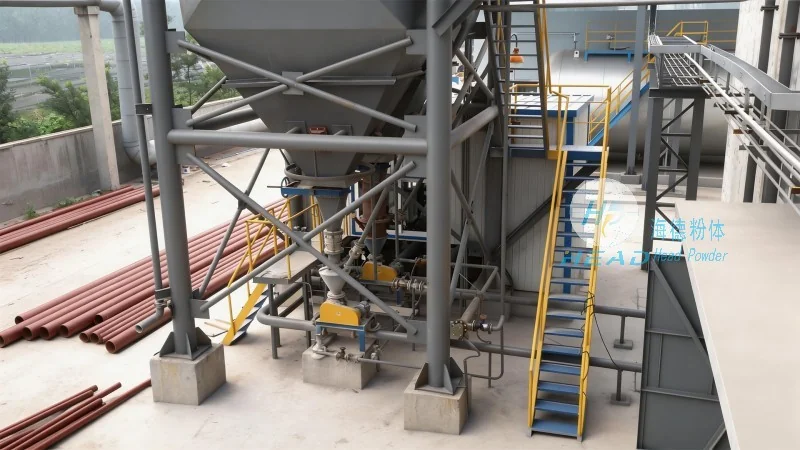
One of the most common and effective methods for conveying quartz powder is air-pneumatic systems. These systems utilize compressed air to transport the powder through a pipeline network. The process involves creating a pressure differential that draws the powder particles into the air stream, allowing them to be moved over long distances with minimal loss. Air-pneumatic conveyors are particularly suitable for fine powders like quartz, as they can handle high volumes while maintaining low dust emissions. The system typically includes a hopper for material storage, a rotary valve for controlled discharge, and a pipeline with appropriate fittings. For quartz powder, which can be prone to static buildup, many air-pneumatic systems incorporate anti-static measures such as grounding and ionizers to prevent electrical discharge. This ensures safe operation and prevents material accumulation on the pipeline walls. The efficiency of air-pneumatic conveyance is enhanced by the use of pulse-jet cleaning in the pipelines, which removes accumulated powder and maintains consistent flow rates. The advantages of this method include low maintenance requirements, the ability to handle abrasive materials without significant wear, and the flexibility to integrate with existing processing lines. However, air-pneumatic systems may require higher energy input compared to other methods, and they are sensitive to changes in air pressure and temperature, which can affect conveying capacity.