With more than 10‑year industry experience, Shandong Headpowder delivers full‑service pneumatic‑conveying systems and blowers, undertaking nationwide turn‑key powder‑handling projects.
Coal ash, a byproduct of coal combustion in power plants and industrial facilities, requires efficient and reliable transportation methods for handling and disposal. Pneumatic conveying technology offers a solution by using air to transport bulk materials like coal ash through pipelines. This article provides an in-depth analysis of coal ash pneumatic conveying, focusing on the comparison between positive pressure and negative pressure modes. The discussion is presented by Shandong HeadPowder Engineering Co., Ltd., a leading provider in the field of bulk material handling solutions.
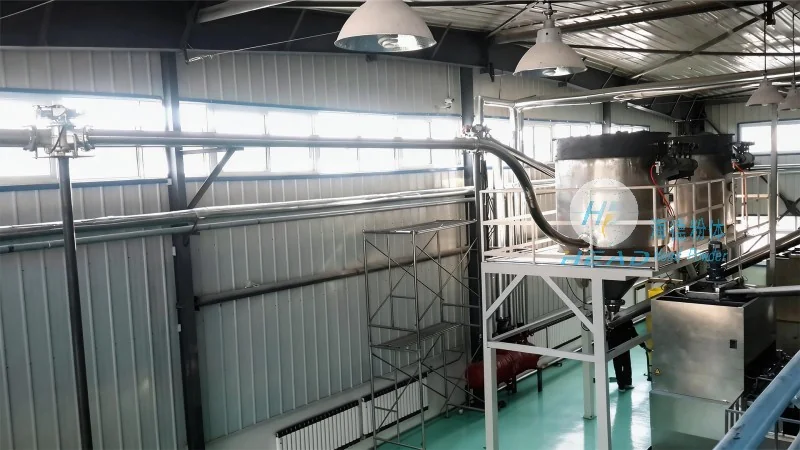
Coal ash, also known as fly ash or bottom ash, is generated during the combustion of coal in thermal power stations. It consists of fine particles and is typically handled as a bulk material. Traditional methods for transporting coal ash include trucks, conveyors, and gravity systems, which may suffer from issues such as dust pollution, material spillage, and operational inefficiencies. Pneumatic conveying offers a more controlled and automated approach to move coal ash from the source to the disposal or utilization site.
Pneumatic conveying systems operate on the principle of transporting materials by air flow. There are two primary modes: positive pressure and negative pressure. Each mode has distinct characteristics, advantages, and applications, which are crucial for selecting the right system for coal ash handling.
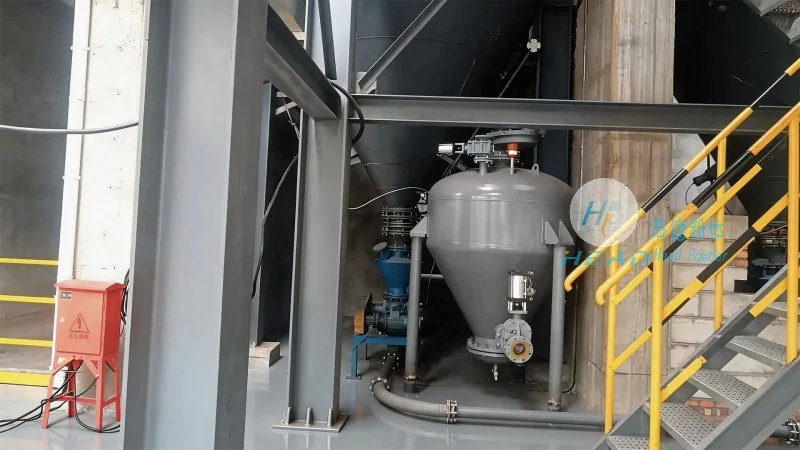
Positive pressure systems use a blower or compressor to generate air pressure that pushes the material through the pipeline. The air and material are mixed together as they travel through the system. This mode is suitable for long-distance and high-capacity applications, as the pressure can be maintained throughout the pipeline. The system typically operates at pressures ranging from 0.5 to 2 bar, depending on the distance and material characteristics. Positive pressure conveying is effective for transporting coal ash over distances of several kilometers and can handle large volumes of material efficiently.
Negative pressure systems, also known as vacuum systems, use a vacuum pump to create a low-pressure environment that draws the material into the pipeline. The material is drawn along with the air, and the system operates at a pressure below atmospheric pressure. This mode is ideal for short-distance and low-capacity applications, as the vacuum is maintained only along the conveying line. The system typically operates at pressures ranging from -0.1 to -0.5 bar. Negative pressure conveying is suitable for transporting coal ash over short distances, such as from a storage silo to a processing plant, and is effective for handling fine particles that may be prone to dusting.
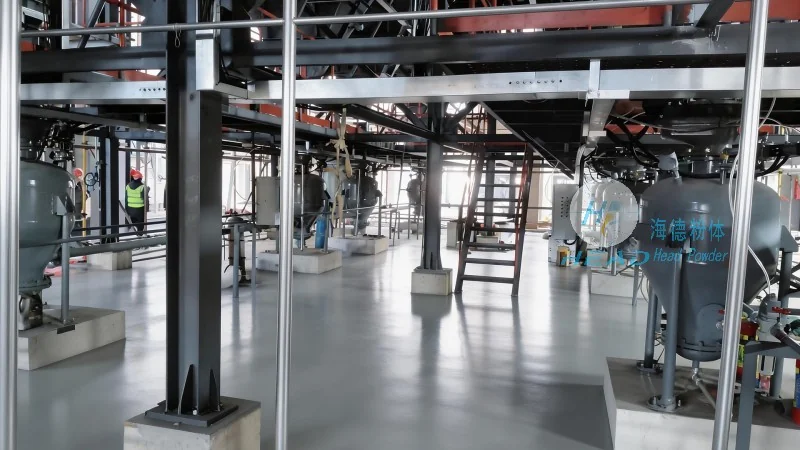
When selecting a pneumatic conveying system for coal ash, several factors need to be considered. These include the distance of the conveying line, the volume of material to be transported, the particle size and characteristics of the coal ash, and the environmental requirements. The choice between positive and negative pressure modes depends on these factors and the specific application requirements.
Positive pressure conveying offers advantages such as high capacity, long-distance capability, and the ability to handle abrasive materials. However, it may require more robust equipment and higher energy consumption due to the need to maintain pressure throughout the system. Negative pressure conveying, on the other hand, has advantages such as lower energy consumption and the ability to handle fine particles without generating excessive dust. The main disadvantage is that it is limited to shorter distances and lower capacities.
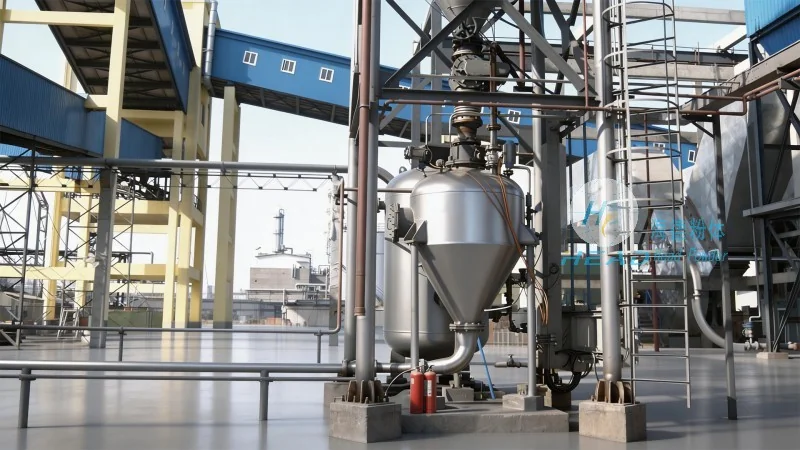
Positive pressure systems are commonly used in large-scale coal ash transportation projects, such as moving ash from power plants to disposal sites located far from the plant. Negative pressure systems are often used in smaller facilities, such as industrial plants that need to transport ash from a storage silo to a processing unit within the plant premises. Both modes can be integrated into existing infrastructure, providing flexibility in coal ash handling operations.
Pneumatic conveying technology provides an effective solution for the transportation of coal ash, with both positive and negative pressure modes offering distinct benefits. The selection of the appropriate mode depends on the specific requirements of the application, including distance, capacity, and material characteristics. Shandong HeadPowder Engineering Co., Ltd. specializes in designing and implementing customized pneumatic conveying systems for coal ash handling, ensuring efficient and reliable operation while meeting environmental and operational standards.

 Shandong Headpowder Engineering Co., Ltd.
 156-6277-7102(Manager Zhang)
  0531-83386006
  Zhangqiu District, Jinan City, Shandong Province, China
telephone
WeChatconsult
top