With more than 10‑year industry experience, Shandong Headpowder delivers full‑service pneumatic‑conveying systems and blowers, undertaking nationwide turn‑key powder‑handling projects.
Long-distance material pneumatic conveying equipment serves as a pivotal technology in modern material handling, enabling efficient transport of bulk materials over extended distances. This system has emerged as a superior alternative to traditional methods like belt conveyors or truck transport, offering flexibility, reliability, and often lower operational costs. The equipment is engineered to handle diverse materials, including fine powders, granular solids, and even bulk liquids, making it applicable across industries such as food processing, pharmaceuticals, chemicals, and mining.
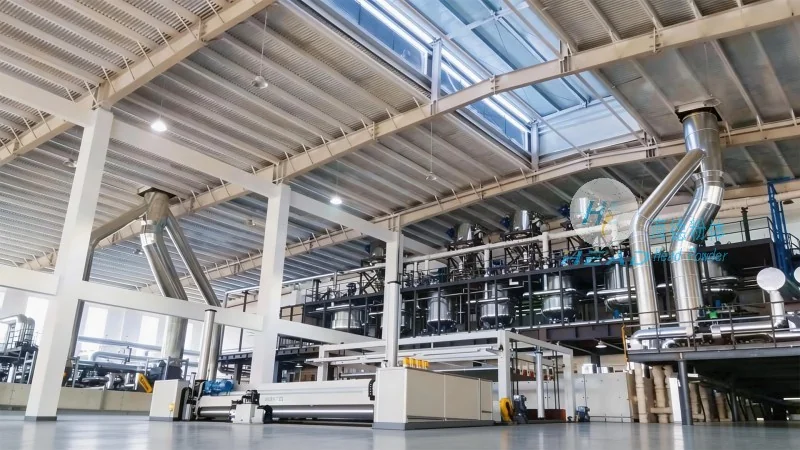
HeadPowder, a leading manufacturer of pneumatic conveying systems, is headquartered in Shandong, China. The company specializes in the design, production, and supply of advanced material handling solutions tailored to global client needs. With a strong focus on innovation and quality, HeadPowder leverages local industrial expertise to develop customized equipment that enhances operational efficiency and reduces costs for its customers. The company’s base in Shandong provides access to robust manufacturing capabilities and a skilled workforce, ensuring high standards of product development and delivery.
The fundamental working principle of long-distance material pneumatic conveying equipment involves the use of compressed air or gas to transport materials through a pipeline network. The process initiates with material being fed into a hopper or feeder, where it is metered and introduced into the conveying line. A positive displacement blower or rotary lobe pump generates the necessary pressure and airflow, which then suspends and propels the material particles through the pipeline. This method ensures continuous, controlled movement of materials, minimizing product degradation and maintaining consistent flow rates.
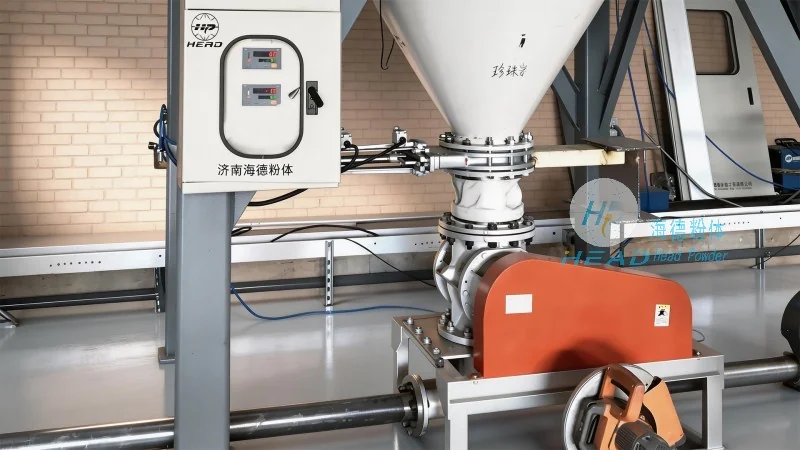
Several critical components collaborate to ensure the smooth operation of the pneumatic conveying system. The air compressor or blower provides the pressure and airflow, while the hopper or feeder regulates material input. The conveying line, often made of durable materials like stainless steel or plastic, transports the material. The receiver or discharge unit collects the material at the destination. Additional accessories, such as filters, cyclones, and pressure relief valves, are integrated to maintain system efficiency and safety. Each component is engineered to handle the specific characteristics of the material being conveyed, ensuring optimal performance and longevity.
The operation process of long-distance material pneumatic conveying equipment unfolds in sequential steps. Initially, material is loaded into the hopper, where it is stored until needed. A feeder then controls the flow of material into the conveying line, ensuring a consistent feed rate. The air compressor generates the required pressure, which is directed into the pipeline. As compressed air mixes with the material, it lifts and transports particles through the line. The material travels through bends, vertical lifts, and other sections of the pipeline, with the airflow maintaining smooth movement. At the receiving end, the material is discharged into a storage bin or processing unit, while the air is filtered and recycled back to the system. This cycle repeats continuously, enabling efficient and reliable transport over long distances.
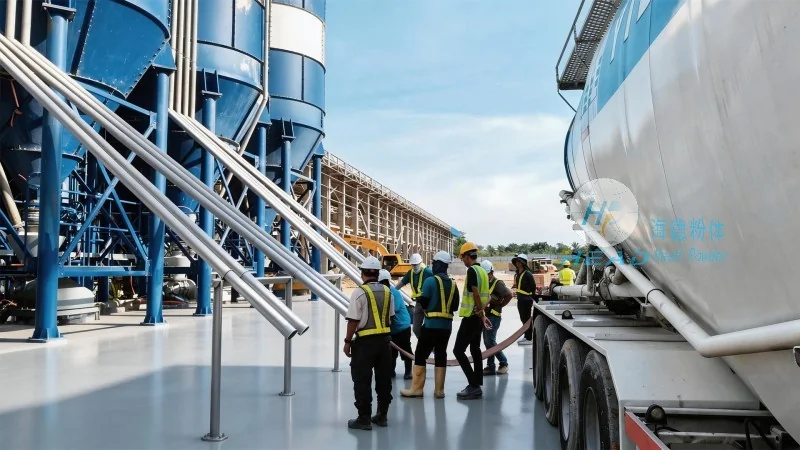
Compared to traditional material handling methods, long-distance pneumatic conveying offers distinct advantages. One key benefit is the closed system, which prevents contamination and minimizes dust emissions, making it ideal for sensitive materials like food or pharmaceuticals. The system also provides layout flexibility, as pipelines can be installed in various configurations to suit plant design. Additionally, pneumatic conveying can handle materials with high moisture content or those prone to caking, as airflow prevents buildup and ensures smooth flow. The system is energy-efficient and can be integrated with other processing equipment, reducing overall operational costs.
The versatility of long-distance material pneumatic conveying equipment makes it applicable across multiple industries. In the food and pharmaceutical sectors, the closed system ensures compliance with hygiene and safety regulations. In the chemical industry, it handles corrosive or hazardous materials while maintaining safety standards. The mining and construction industries benefit from transporting bulk materials like coal, ore, and sand over long distances with minimal labor. Even in agriculture, pneumatic conveyors efficiently transport grains and other products. HeadPowder’s solutions are customized to meet the specific requirements of each industry, ensuring optimal performance and reliability.
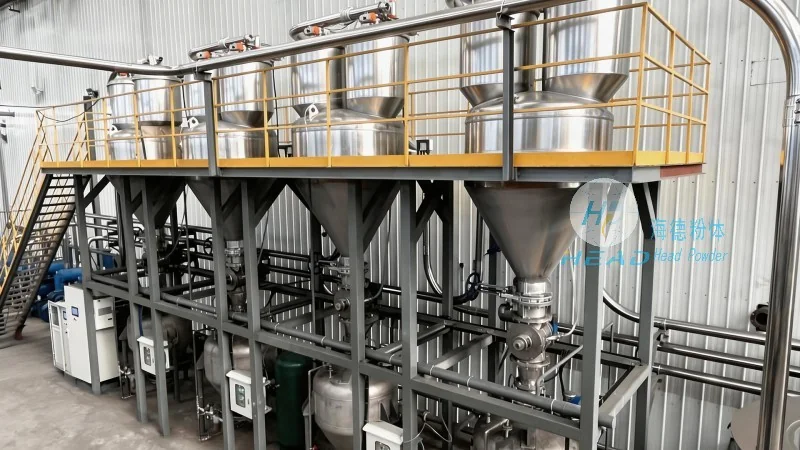
Proper maintenance is essential to ensure long-term performance and reliability of pneumatic conveying equipment. Regular inspection of components like the air compressor, filters, and conveying lines is crucial to prevent clogging or pressure loss. Filters must be cleaned or replaced regularly to maintain airflow efficiency, and the feeder should be checked for proper material flow. Monitoring system pressure and flow rates helps identify potential issues early, allowing timely maintenance. HeadPowder offers comprehensive maintenance services and spare parts to support clients, ensuring equipment operates at peak efficiency throughout its service life.
Long-distance material pneumatic conveying equipment, exemplified by solutions from Shandong HeadPowder Engineering Co., Ltd., represents a significant advancement in material handling technology. By combining advanced engineering with efficient design, these systems provide a reliable and cost-effective solution for transporting bulk materials over extended distances. The working principle, which relies on compressed air to transport materials, ensures consistent performance and minimal product degradation. With its advantages over traditional methods and wide range of applications, pneumatic conveying is set to remain a vital component in modern industrial operations. As industries demand higher efficiency and reliability, the role of pneumatic conveying equipment will only grow, making it an essential investment for businesses seeking to optimize their material handling processes.

 Shandong Headpowder Engineering Co., Ltd.
 156-6277-7102(Manager Zhang)
  0531-83386006
  Zhangqiu District, Jinan City, Shandong Province, China
telephone
WeChatconsult
top