

Principle and Classification Application of Dolomite Pneumatic Conveying
HeadPowder, a leading provider in the field of material handling solutions, specializes in the design, manufacturing, and implementation of pneumatic conveying systems for various industrial applications. This article provides an in-depth exploration of dolomite pneumatic conveying, covering its fundamental principles, different classification methods, and practical applications. The information is presented to assist clients and industry professionals in understanding the technology and its relevance in modern material processing.
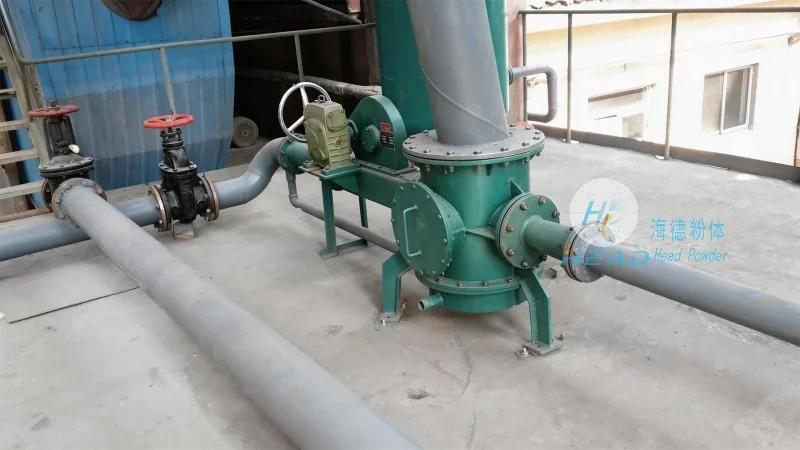
Company Overview: HeadPowder Engineering
HeadPowder Engineering Co., Ltd. is a reputable enterprise based in Shandong, China. The company focuses on delivering high-quality pneumatic conveying systems tailored to the specific needs of clients across diverse industries. With a commitment to innovation and precision engineering, HeadPowder has established itself as a trusted partner for material handling solutions. The company's expertise spans the entire lifecycle of pneumatic conveying systems, from initial design and consultation to installation, commissioning, and ongoing maintenance.
Understanding Dolomite Pneumatic Conveying
Pneumatic conveying is a method of transporting bulk materials through a pipeline using a stream of air or other gas. In the case of dolomite, a common industrial mineral used in construction, steel production, and chemical manufacturing, this technology enables efficient and safe material transport. The process involves creating a pressure differential within the pipeline, either by suction (creating a negative pressure) or by pressure (creating a positive pressure), to move the material from the source to the destination. The fundamental principle revolves around the interaction between the material particles and the air flow, ensuring stable and continuous transport without the need for mechanical components like belts or buckets.
Classification of Dolomite Pneumatic Conveying Systems
Dolomite pneumatic conveying systems can be classified based on several key factors, including the method of air supply, the direction of material flow, and the system pressure. The primary classifications are:
1. Suction (or Induced-Draft) Systems
Suction systems operate by creating a negative pressure at the material inlet, drawing the material into the pipeline using the air flow. This type of system is ideal for applications where the material source is at a higher elevation than the destination, as the suction force can effectively lift the material. Suction systems are commonly used in industries such as mining and construction, where the material is extracted from a hopper or silo and transported to processing units.
2. Pressure (or Positive-Pressure) Systems
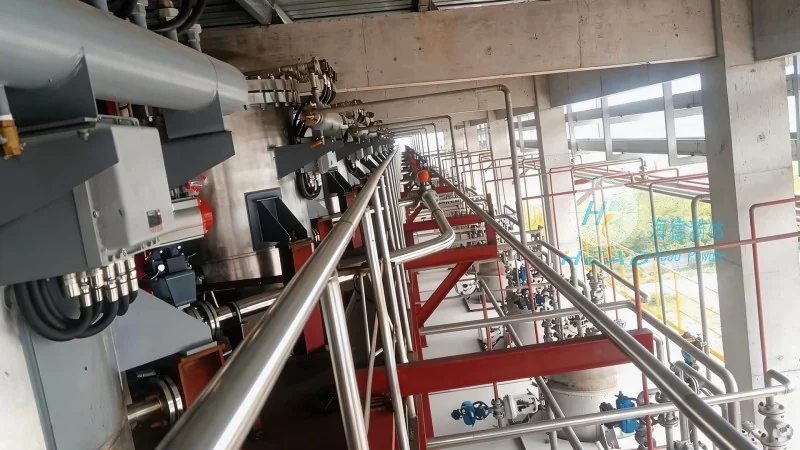
Pressure systems generate a positive pressure within the pipeline by blowing air into the material source. This method is suitable for transporting materials from a lower elevation to a higher one, as the pressure pushes the material through the pipeline. Pressure systems are often preferred in applications where the material is sensitive to moisture or contamination, as the sealed pipeline prevents exposure to the environment.
3. Hybrid (or Mixed-Mode) Systems
Hybrid systems combine elements of both suction and pressure systems, offering flexibility in material transport. These systems are designed to handle materials with varying properties, such as different particle sizes or moisture content. By adjusting the pressure and suction levels, hybrid systems can optimize the conveying efficiency and minimize energy consumption.
Applications of Dolomite Pneumatic Conveying
Dolomite, a calcium-magnesium carbonate mineral, is widely used in various industrial processes due to its chemical and physical properties. Pneumatic conveying systems are particularly effective in handling dolomite because of its relatively low abrasiveness and the need for clean, dust-free transport. The applications of dolomite pneumatic conveying include:
1. Construction Materials Processing
In the construction industry, dolomite is used as a raw material for cement production and as an aggregate in concrete. Pneumatic conveying systems are employed to transport dolomite from storage silos to cement mills or concrete batching plants. This method ensures a consistent flow of material, reduces dust generation, and improves overall plant efficiency.
2. Steel Manufacturing
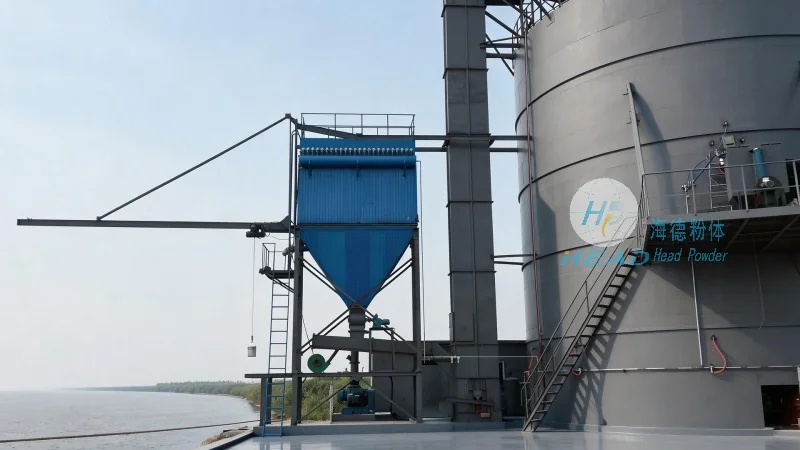
Dolomite is used as a flux in steelmaking to remove impurities from the molten metal. Pneumatic conveying systems are used to transport dolomite from storage facilities to the steel furnaces. The ability to handle large volumes of material quickly and safely is crucial in steel production, where downtime can result in significant financial losses.
3. Chemical Manufacturing
In the chemical industry, dolomite is used as a filler or a raw material in the production of various compounds. Pneumatic conveying systems are used to transport dolomite from storage tanks to processing units. The systems are designed to maintain the purity of the material, as any contamination can affect the final product quality.
4. Mining and Mineral Processing
In mining operations, dolomite is extracted from quarries and transported to processing facilities. Pneumatic conveying systems are used to transport the crushed dolomite from the crushing and screening stages to the storage silos. This method reduces the need for heavy machinery and minimizes the risk of material spillage.
Key Considerations for Dolomite Pneumatic Conveying
When implementing dolomite pneumatic conveying systems, several factors must be considered to ensure optimal performance and longevity. These include:
1. Material Properties
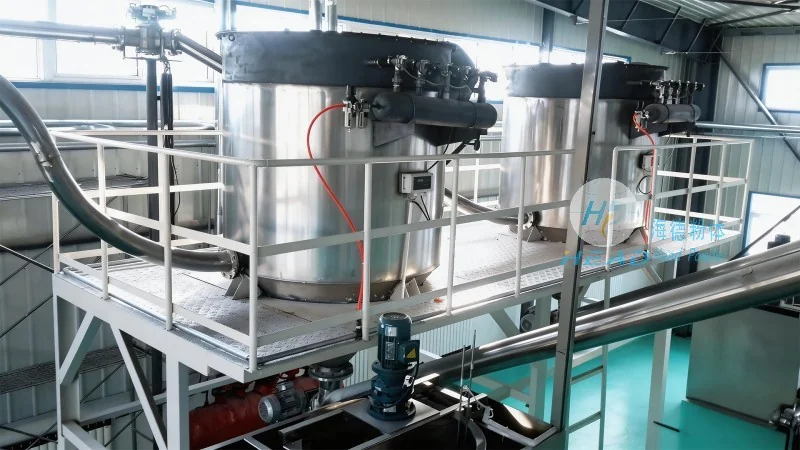
The physical and chemical properties of dolomite, such as particle size distribution, moisture content, and abrasiveness, significantly impact the design of the conveying system. For example, fine particles may require higher air velocities to prevent clogging, while abrasive materials may necessitate the use of corrosion-resistant materials for the pipeline and components.
2. System Design and Sizing
The design of the pneumatic conveying system must be tailored to the specific application. This includes determining the appropriate pipeline diameter, air velocity, and pressure levels. Proper sizing ensures that the system operates efficiently, minimizing energy consumption and reducing the risk of material blockages.
3. Maintenance and Operational Costs
Pneumatic conveying systems require regular maintenance to ensure reliable operation. This includes cleaning the pipeline, replacing worn components, and monitoring the air flow and pressure. The operational costs of the system, including energy consumption and maintenance expenses, should be considered when evaluating the overall cost-effectiveness of the technology.
Conclusion
Pneumatic conveying is a versatile and efficient method for transporting dolomite in various industrial applications. The technology offers advantages such as reduced labor costs, improved safety, and lower environmental impact compared to traditional material handling methods. HeadPowder Engineering, with its expertise in pneumatic conveying systems, provides customized solutions tailored to the specific needs of clients. By understanding the principles and classifications of dolomite pneumatic conveying, industries can optimize their material handling processes and enhance overall productivity.