With more than 10‑year industry experience, Shandong Headpowder delivers full‑service pneumatic‑conveying systems and blowers, undertaking nationwide turn‑key powder‑handling projects.
When designing a pneumatic conveying system for lithium hydroxide, it is crucial to consider several key factors to ensure efficiency, safety, and cost-effectiveness. Lithium hydroxide is a critical chemical used in various industries, including battery manufacturing and chemical processing. The proper design of the conveying system directly impacts the overall performance and reliability of the production line.
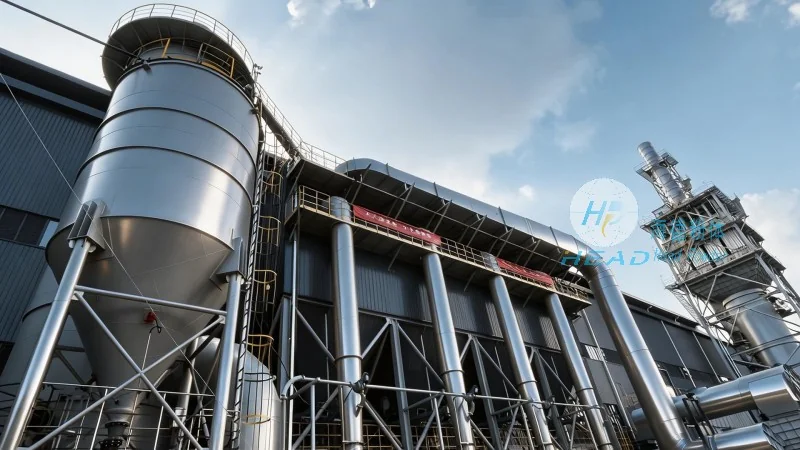
First, the material properties of lithium hydroxide must be thoroughly understood. Lithium hydroxide is a fine powder with specific density, flowability, and moisture content characteristics. These properties influence the selection of the conveying method—whether it's a dilute phase, dense phase, or hybrid system. The choice of system type affects the pressure drop, energy consumption, and equipment wear. For example, dilute phase systems are suitable for long-distance transport but require higher air velocities, while dense phase systems offer better control and lower air consumption.
The core components of a pneumatic conveying system for lithium hydroxide include the material feeder, air compressor, conveying line, and dust collector. The material feeder must be designed to handle the powder's flow characteristics, preventing bridging or clogging. It may involve a rotary valve or a screw feeder to ensure a consistent feed rate. The air compressor provides the necessary pressure and airflow to move the material through the system. The conveying line is typically made of corrosion-resistant materials like stainless steel to withstand the chemical properties of lithium hydroxide. The dust collector is essential for capturing any airborne particles, ensuring environmental compliance and worker safety.
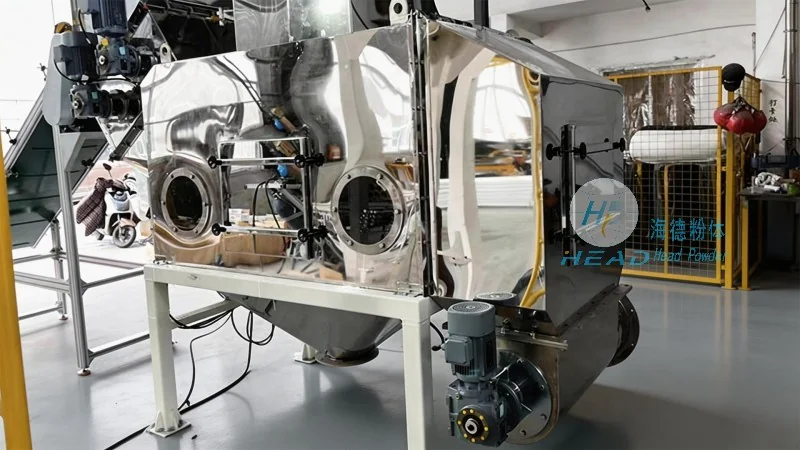
Designing a pneumatic conveying system involves detailed calculations based on the material's physical properties and the desired conveying parameters. Engineers must determine the required air velocity, pressure drop, and system capacity. This involves using empirical formulas and computational fluid dynamics (CFD) simulations to model the flow behavior. The design process also considers the system's scalability and future expansion needs. For instance, if the production capacity is expected to increase, the system should be designed with sufficient headroom to accommodate future upgrades without major modifications.
Given the chemical nature of lithium hydroxide, safety is a top priority in system design. Proper ventilation and dust control measures are essential to prevent inhalation of fine particles. The system should be equipped with explosion-proof components if the material is flammable or if there is a risk of dust accumulation. Additionally, the design must comply with local environmental regulations regarding emissions and waste disposal. Regular maintenance and monitoring of the system are necessary to ensure ongoing safety and compliance.
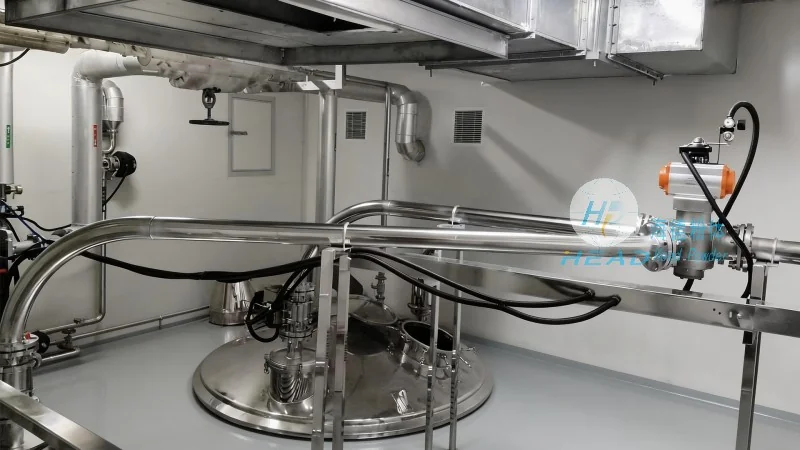
Shandong HeadPowder Engineering Co., Ltd., a leading provider of pneumatic conveying solutions, has successfully designed and implemented lithium hydroxide conveying systems for multiple clients. The company's expertise lies in customizing systems to meet specific operational requirements. For example, one project involved a long-distance transport of lithium hydroxide from a storage silo to a processing plant, where the system was designed to handle high material flow rates while maintaining low energy consumption. The system included advanced control systems to optimize air usage and reduce operational costs. The client reported significant improvements in production efficiency and reduced maintenance downtime after the system was installed.
Designing a reasonable lithium hydroxide pneumatic conveying system requires a comprehensive approach that considers material properties, system components, design calculations, safety, and environmental factors. By working with experienced engineering firms like Shandong HeadPowder Engineering Co., Ltd., companies can ensure that their conveying systems are optimized for performance, reliability, and cost-effectiveness. The key is to tailor the system design to the specific needs of the operation, taking into account long-term goals and potential future expansions. With proper planning and execution, a well-designed pneumatic conveying system can significantly enhance the overall productivity and safety of lithium hydroxide handling processes.

 Shandong Headpowder Engineering Co., Ltd.
 156-6277-7102(Manager Zhang)
  0531-83386006
  Zhangqiu District, Jinan City, Shandong Province, China
telephone
WeChatconsult
top