With more than 10‑year industry experience, Shandong Headpowder delivers full‑service pneumatic‑conveying systems and blowers, undertaking nationwide turn‑key powder‑handling projects.
HeadPowder, a leading engineering company based in Shandong, China, specializes in the design, manufacturing, and installation of advanced pneumatic conveying systems for transporting cement and fly ash materials. This article provides a detailed overview of the operation process and working principles of such systems, highlighting their efficiency, reliability, and industrial applications.
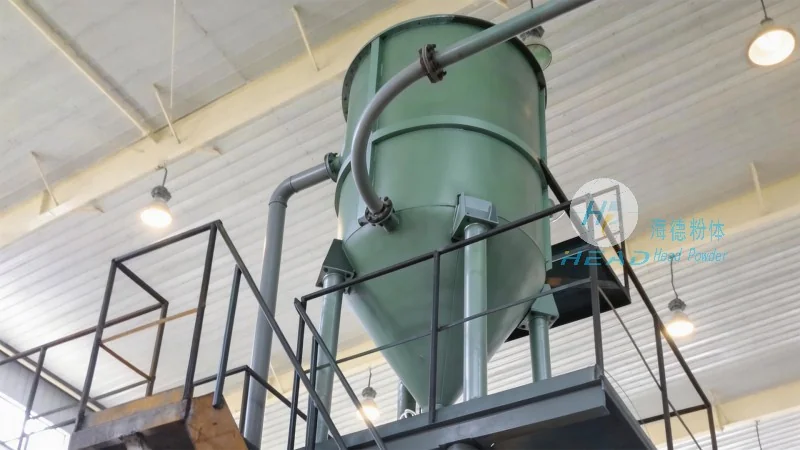
HeadPowder Engineering Co., Ltd. is dedicated to delivering high-performance solutions for material handling in the cement and fly ash industries. The pneumatic conveying system is a critical component in modern production lines, enabling the efficient transport of bulk materials like cement and fly ash from one location to another without the need for mechanical components such as belts or buckets. This technology offers significant advantages in terms of cost reduction, space savings, and operational flexibility.
The pneumatic conveying system for cement and fly ash typically consists of several essential components that work in concert to ensure smooth material transport. These include the hopper (for material storage and feeding), the air compressor (to generate the necessary air pressure), the pipeline system (for conveying the material-air mixture), the control valves (to regulate flow and pressure), and the dust collection system (to ensure environmental compliance and safety). Each component plays a vital role in maintaining the system's efficiency and reliability.
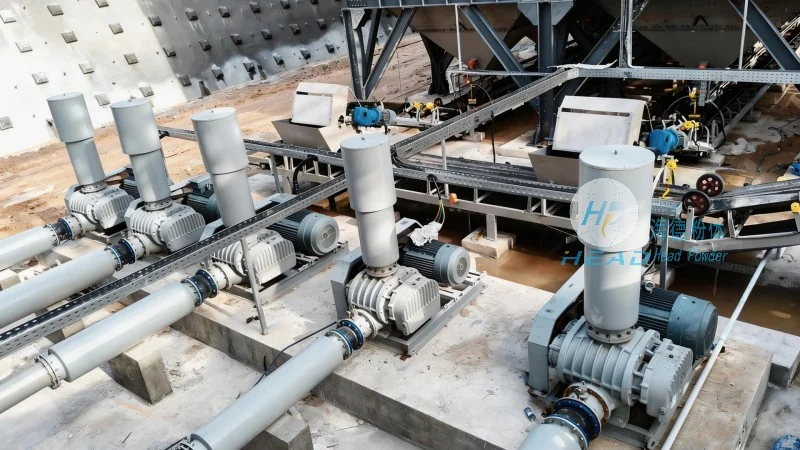
The operation process of the cement and fly ash pneumatic conveying system begins with the material being fed into the hopper. The material is then pneumatically conveyed through the pipeline using compressed air. The air compressor generates the required pressure, which propels the material forward. The control valves are used to adjust the flow rate and pressure as needed, ensuring that the material is transported at the optimal speed. The dust collection system captures any airborne particles, preventing dust pollution and maintaining a safe working environment.
The working principle of the pneumatic conveying system relies on the principle of fluidization and pneumatic transport. When compressed air is introduced into the hopper, it creates a low-pressure zone that draws the material into the pipeline. The air and material mixture travels through the pipeline at a high velocity, ensuring that the material is transported efficiently. The system uses positive pressure or negative pressure (or a combination of both) to move the material, depending on the specific application and material characteristics. The design of the pipeline and the air flow rate are carefully optimized to prevent material degradation, blockages, or excessive energy consumption.
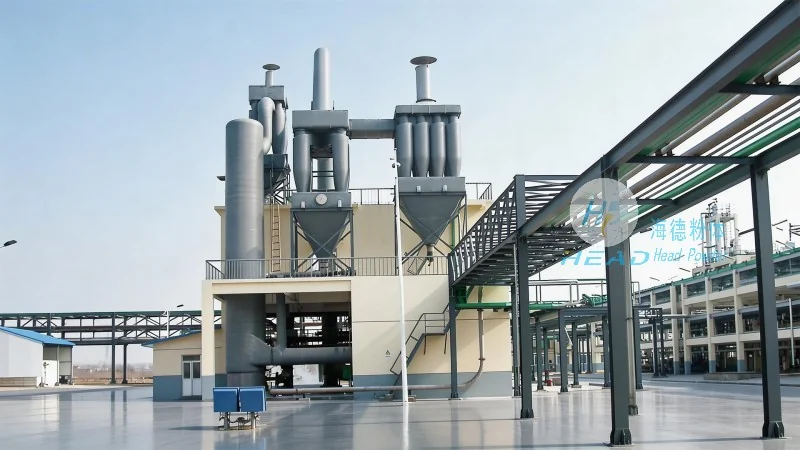
HeadPowder's pneumatic conveying systems offer numerous advantages over traditional mechanical conveying methods. These include reduced maintenance costs due to fewer moving parts, improved safety as there are no exposed mechanical components, and enhanced flexibility in system layout. The systems are also highly efficient in terms of energy consumption and can handle a wide range of material types and particle sizes. Additionally, the enclosed pipeline system minimizes dust emissions, making it an environmentally friendly solution for industrial applications.
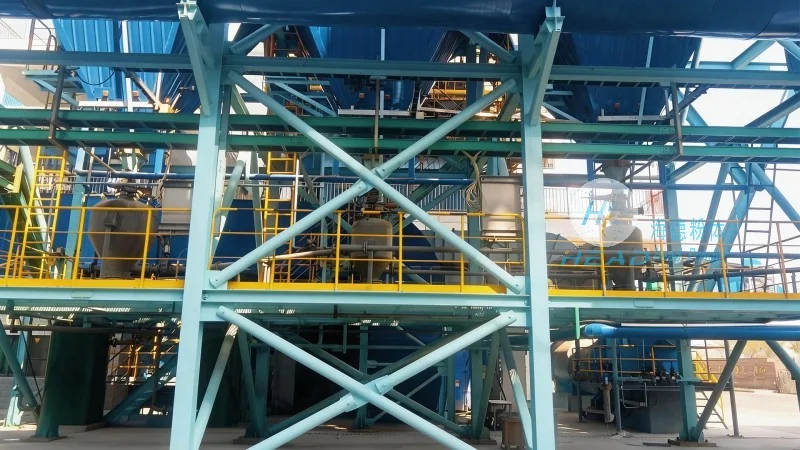
Pneumatic conveying systems are widely used in the cement and fly ash industries for various applications, including raw material transport, product handling, and waste management. HeadPowder has successfully implemented these systems in numerous projects, demonstrating their reliability and performance. For example, in a large cement plant, the system was used to transport fly ash from storage silos to the production line, reducing material handling time by 30% and improving overall production efficiency. Another application involved the transport of cement from a grinding mill to a storage silo, where the system's ability to handle high volumes and maintain consistent flow rates was crucial.
HeadPowder Engineering Co., Ltd. continues to innovate and improve its pneumatic conveying systems to meet the evolving needs of the cement and fly ash industries. The company's commitment to quality, efficiency, and sustainability ensures that its systems remain at the forefront of material handling technology. As the industry moves towards more automated and integrated production processes, pneumatic conveying systems will play an increasingly important role in enhancing operational efficiency and reducing costs. With its expertise and experience, HeadPowder is well-positioned to provide customized solutions that meet the specific requirements of its clients.

 Shandong Headpowder Engineering Co., Ltd.
 156-6277-7102(Manager Zhang)
  0531-83386006
  Zhangqiu District, Jinan City, Shandong Province, China
telephone
WeChatconsult
top