With more than 10‑year industry experience, Shandong Headpowder delivers full‑service pneumatic‑conveying systems and blowers, undertaking nationwide turn‑key powder‑handling projects.
HeadPowder, a leading engineering company based in Shandong, China, specializes in the design, manufacturing, and installation of advanced pneumatic conveying systems tailored for handling nickel sulfate materials. This article provides a detailed overview of the operation process and working principle of such systems, highlighting the technical aspects and operational efficiency that define modern material handling solutions.
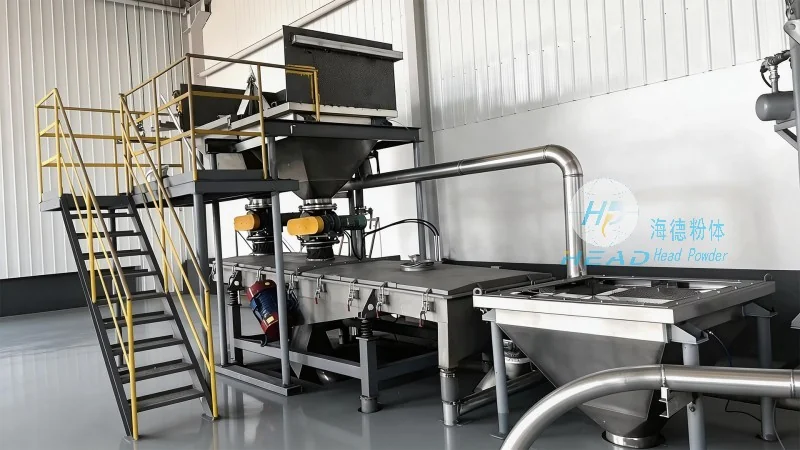
Pneumatic conveying systems are essential for transporting bulk materials like nickel sulfate, which is widely used in battery manufacturing, chemical production, and other industrial applications. These systems utilize air or gas as the conveying medium to move materials from one location to another, offering advantages such as dust control, reduced labor costs, and improved safety compared to traditional methods like belt conveyors or bucket elevators. HeadPowder's expertise lies in customizing these systems to meet the specific requirements of nickel sulfate handling, ensuring optimal performance and reliability.
The core of a pneumatic conveying system for nickel sulfate involves several key components working in tandem. The system typically includes a hopper for material storage, a feeder to control the flow rate, a conveying line (often equipped with bends and filters), and a receiver for the discharged material. The process begins with the material being fed from the hopper into the conveying line. Air or gas is then introduced into the system, creating a flow that propels the nickel sulfate particles through the line. The velocity of the air and the size of the particles determine the conveying capacity and efficiency of the system. HeadPowder employs advanced design techniques to ensure that the air velocity is sufficient to maintain particle suspension without causing excessive pressure drops or energy consumption.
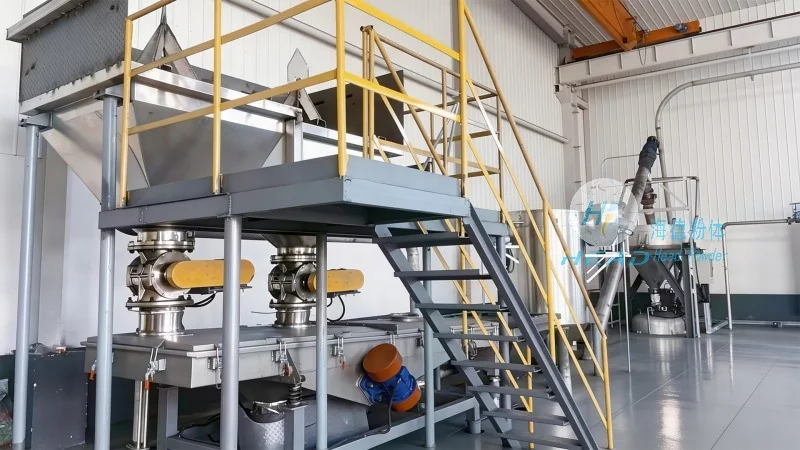
The operation process of a nickel sulfate pneumatic conveying system is carefully managed to ensure consistent and reliable material transport. Initially, the system is started by activating the air compressor or blower, which generates the necessary pressure and flow rate. The feeder is then adjusted to control the material feed rate, which is critical for maintaining a stable conveying condition. As the material is conveyed, the system monitors parameters such as pressure, flow rate, and temperature to ensure optimal performance. Any deviations are detected and corrected in real-time by the control system. The receiver collects the conveyed nickel sulfate, and the system continues to operate until the material is fully transferred. HeadPowder's systems are equipped with advanced control panels that allow operators to monitor and adjust the process parameters, ensuring that the system operates efficiently and safely.
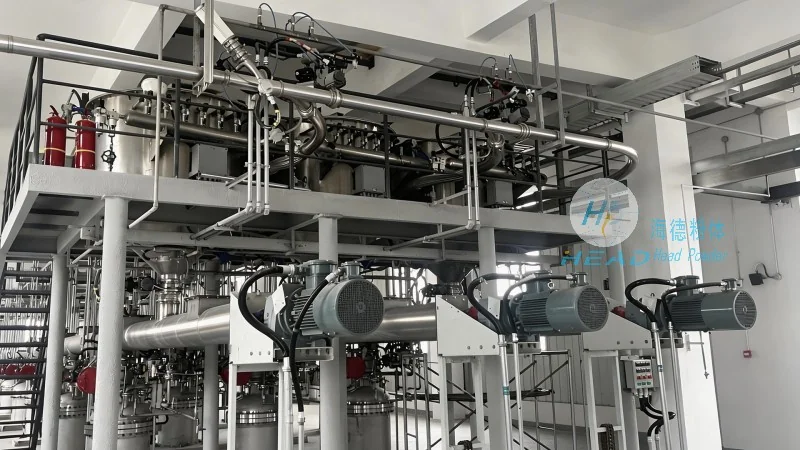
HeadPowder's nickel sulfate pneumatic conveying systems offer several key features that enhance performance and user experience. These include: high conveying efficiency, which minimizes material loss and ensures complete transfer; dust-free operation, which reduces environmental impact and improves workplace safety; and customizable design, which allows the system to be tailored to specific plant layouts and material characteristics. The systems are also designed for easy maintenance, with accessible components and clear diagnostic indicators that help identify and resolve issues quickly. By leveraging these features, industries handling nickel sulfate can achieve significant improvements in productivity, cost reduction, and operational safety.
HeadPowder Engineering Co., Ltd., based in Shandong, China, provides comprehensive solutions for the pneumatic conveying of nickel sulfate materials. Through its expertise in system design, manufacturing, and installation, HeadPowder ensures that clients receive reliable, efficient, and safe material handling systems. The operation process and working principle of these systems are optimized for performance, with advanced control and monitoring capabilities that enhance operational efficiency. As a trusted partner in the material handling industry, HeadPowder continues to deliver high-quality solutions that meet the evolving needs of its clients.

 Shandong Headpowder Engineering Co., Ltd.
 156-6277-7102(Manager Zhang)
  0531-83386006
  Zhangqiu District, Jinan City, Shandong Province, China
telephone
WeChatconsult
top