With more than 10‑year industry experience, Shandong Headpowder delivers full‑service pneumatic‑conveying systems and blowers, undertaking nationwide turn‑key powder‑handling projects.
Automatic powder bulk bag unloading and pneumatic conveying systems represent a critical technology in the handling and transportation of bulk powders. These systems are designed to efficiently and safely transfer powders from bulk bags (often referred to as FIBCs or flexible intermediate bulk containers) into processing equipment or storage silos. The technology integrates advanced mechanical and pneumatic components to ensure reliable operation, minimal dust generation, and compliance with industrial safety standards. In this context, Shandong HeadPowder Engineering Co., Ltd., a leading provider in this field, specializes in the design, manufacturing, and implementation of such systems, with operations based in Shandong, China.
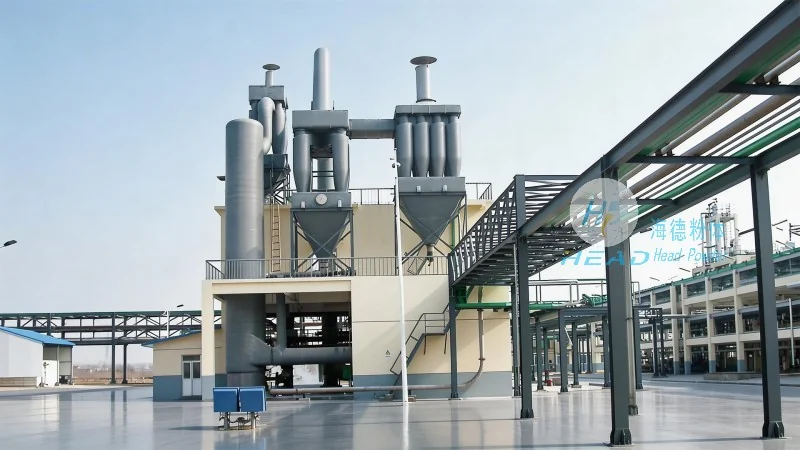
The operation of an automatic powder bulk bag unloading and pneumatic conveying system involves several key components, each playing a vital role in the overall process. The primary components include the bulk bag unloader, a hopper or receiving tank, a pneumatic conveying line (often with a positive displacement blower or rotary airlock), and a dust collection system. The bulk bag unloader is responsible for opening the bag, discharging the powder into the hopper, and then sealing the bag for disposal. The hopper serves as a buffer to collect the powder and maintain a consistent flow to the conveying system. The pneumatic conveying line uses compressed air to transport the powder from the hopper to the destination point, such as a silo or processing unit. The dust collection system is essential for maintaining air quality and preventing dust emissions, ensuring compliance with environmental regulations.
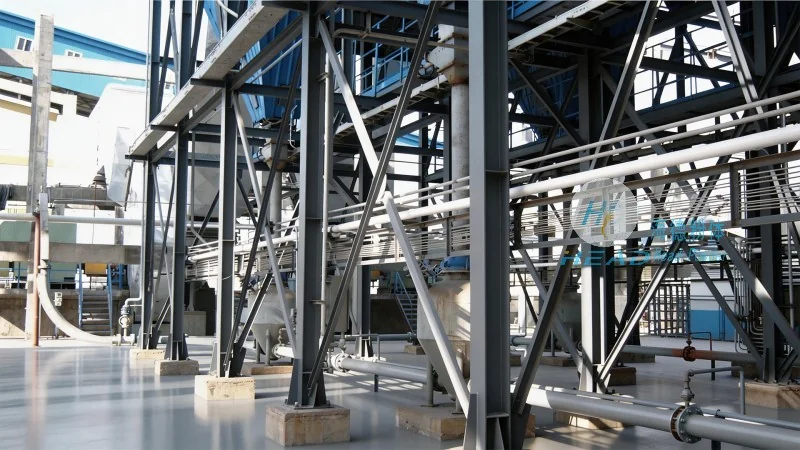
The operation of an automatic powder bulk bag unloading and pneumatic conveying system typically follows a sequential process. Initially, the bulk bag is placed on the unloader's frame and secured. The unloader then uses mechanical or pneumatic mechanisms to open the bag's top, allowing the powder to flow into the hopper below. Simultaneously, a rotary airlock or similar device at the hopper outlet controls the flow of powder into the pneumatic conveying line, preventing backflow and maintaining a steady stream. The compressed air from the blower is introduced into the conveying line, creating a pressure differential that propels the powder through the line. The powder is carried by the air stream, which is typically at a velocity sufficient to overcome the resistance of the powder particles and the conveying line. As the powder travels through the line, it reaches the destination point, where it is discharged into a silo or processing equipment. The system then cycles back to the unloading phase for the next bag, ensuring continuous operation.
The working principle of an automatic powder bulk bag unloading and pneumatic conveying system is based on the fundamental principles of fluid dynamics and particle transport. The system utilizes compressed air as the driving force to move the powder particles. When the compressed air is introduced into the conveying line, it creates a high-velocity air stream that entrains the powder particles, forming a slurry-like mixture known as a "pneumatic conveying stream." The air velocity is carefully controlled to ensure that the powder particles are carried without excessive wear or degradation. The pressure differential between the hopper and the destination point provides the necessary force to move the powder through the line. The rotary airlock at the hopper outlet acts as a check valve, allowing powder to pass into the conveying line while preventing air from escaping back into the hopper. The dust collection system, often equipped with filters or cyclones, captures any fine particles that may be carried by the air stream, ensuring that the exhaust air is clean and compliant with environmental standards.
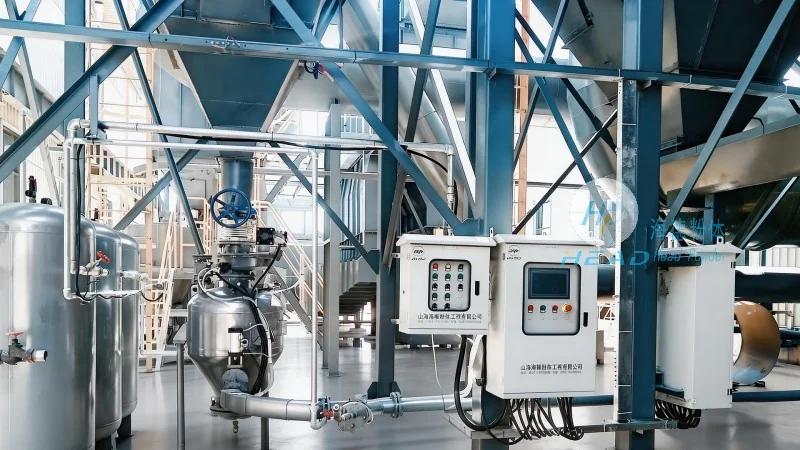
Automatic powder bulk bag unloading and pneumatic conveying systems offer several advantages over traditional manual or mechanical handling methods. One of the primary benefits is the significant reduction in labor costs, as the system operates with minimal human intervention. The automated process ensures consistent and reliable powder flow, minimizing the risk of overfilling or underfilling. Additionally, the system reduces dust generation and improves workplace safety by containing the powder within the system and using dust collection equipment. The compact design of the system allows for easy integration into existing facilities, and the modular components enable customization to meet specific process requirements. The use of pneumatic conveying also minimizes product contamination, as the system is typically made of materials that are compatible with the powder being handled. Furthermore, the system can handle a wide range of powder characteristics, including different particle sizes, densities, and flow properties, making it versatile for various industrial applications.

 Shandong Headpowder Engineering Co., Ltd.
 156-6277-7102(Manager Zhang)
  0531-83386006
  Zhangqiu District, Jinan City, Shandong Province, China
telephone
WeChatconsult
top