

Working Principle and Features of Sintering Dust Removal Material Conveying Lines
HeadPowder, a leading provider of industrial material handling solutions, specializes in the design, manufacturing, and installation of advanced conveying systems tailored for sintering dust removal applications. Based in Shandong, China, the company has established itself as a reliable partner for industries seeking efficient and reliable equipment to manage sintering processes and associated dust removal operations.
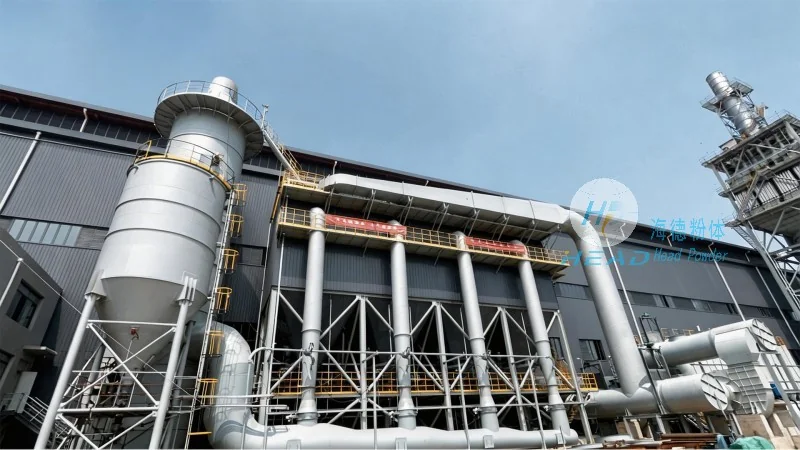
About HeadPowder: Your Trusted Partner in Material Handling Solutions
Shandong HeadPowder Engineering Co., Ltd. is dedicated to delivering high-quality, customized conveying systems that meet the unique demands of sintering plants. With a focus on innovation and customer satisfaction, HeadPowder has built a reputation for excellence in the field of material handling, particularly in the development of efficient dust removal and material transport solutions. The company's expertise lies in integrating advanced technologies with robust engineering to ensure optimal performance and longevity of the equipment.
Working Principle of Sintering Dust Removal Material Conveying Lines
The sintering dust removal material conveying line operates on a systematic process designed to capture, transport, and process sintering dust efficiently. The system typically begins with the collection of dust particles generated during the sintering process, often using dust collectors or hoppers. These collected materials are then transferred through a series of components, including feeders, conveyors, and possibly classifiers or driers, depending on the specific requirements of the application. The conveying mechanism may involve various technologies such as belt conveyors, screw conveyors, or pneumatic systems, each chosen based on the characteristics of the material and the operational conditions.
At the core of the system is the material feed mechanism, which ensures a consistent flow of dust from the collection point to the conveying equipment. This is followed by the transport stage, where the material is moved through the pipeline or conveyor structure to the processing or storage location. The system may incorporate control systems to regulate the flow rate, pressure, and other parameters, ensuring smooth and uninterrupted operation. Additionally, the design may include features like dust suppression or filtration to maintain air quality and comply with environmental regulations.
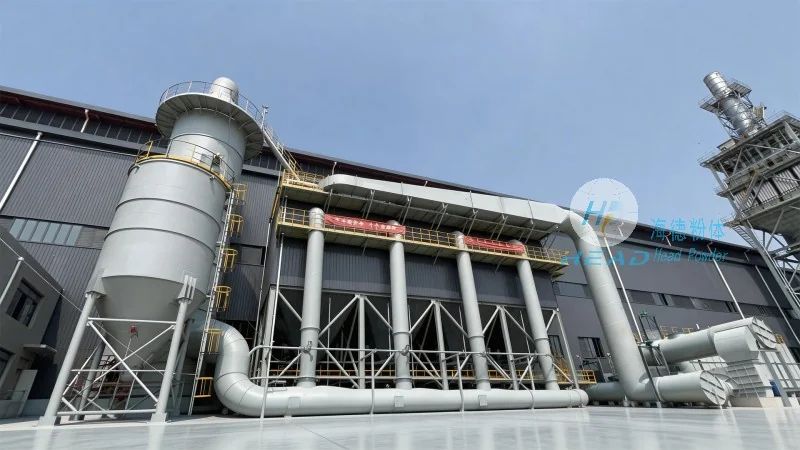
Key Features and Advantages of the Conveying System
The sintering dust removal material conveying line from HeadPowder offers several key features that enhance its performance and reliability. One of the primary advantages is its high efficiency in material transport, minimizing downtime and maximizing throughput. The system is engineered to handle a wide range of material characteristics, including varying particle sizes, moisture content, and bulk density, ensuring consistent performance across different operational scenarios.
Another significant feature is the robust construction and durability of the components. HeadPowder utilizes high-quality materials and advanced manufacturing techniques to ensure the equipment can withstand the harsh conditions often encountered in sintering plants, such as high temperatures, abrasive materials, and continuous operation. This durability reduces maintenance requirements and extends the service life of the system, providing long-term cost savings for the end-user.
The system also incorporates advanced control and monitoring capabilities, allowing for real-time tracking of material flow, pressure, and other critical parameters. This enables operators to quickly identify and address any issues, ensuring optimal performance and preventing potential disruptions. Additionally, the modular design of the conveying line allows for easy integration with existing plant infrastructure and facilitates future expansions or upgrades as needed.
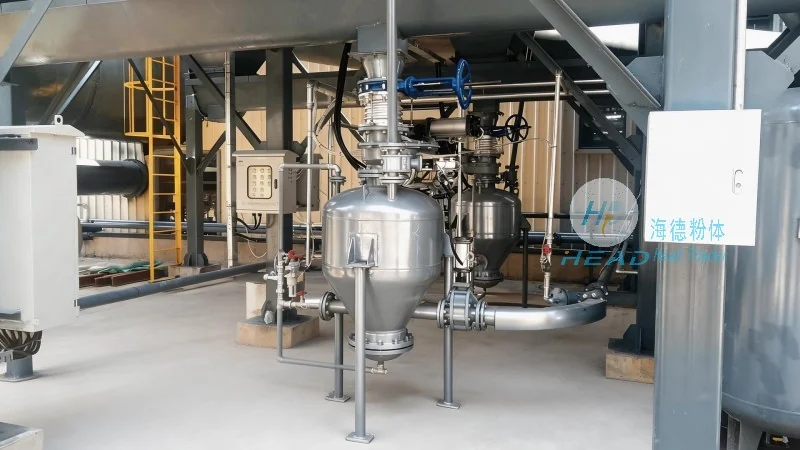
Customization and Application Flexibility
HeadPowder understands that each sintering plant has unique operational requirements, and therefore, the conveying system is designed to be highly customizable. The company works closely with clients to understand their specific needs, including the type of material being handled, the required capacity, and the environmental constraints. This collaborative approach ensures that the final solution is tailored to meet the exact specifications of the application, maximizing efficiency and minimizing operational challenges.
The flexibility of the system extends to its integration with other plant processes. The conveying line can be designed to connect with other equipment such as dust collectors, classifiers, or storage silos, creating a seamless material handling workflow. This integration helps streamline operations, reduce manual handling, and improve overall plant efficiency. Additionally, the system can be adapted to different operational scales, from small-scale pilot plants to large industrial facilities, making it suitable for a wide range of applications.
Conclusion: Enhancing Sintering Operations with Advanced Conveying Solutions
HeadPowder's sintering dust removal material conveying line represents a cutting-edge solution for managing sintering processes and associated dust removal operations. By combining advanced engineering, robust construction, and customizable design, the system provides industries with an efficient, reliable, and cost-effective means of handling sintering dust. The company's commitment to quality and customer satisfaction ensures that clients receive not only a high-performance product but also comprehensive support throughout the entire lifecycle of the equipment. With its headquarters in Shandong, China, HeadPowder continues to lead the way in providing innovative material handling solutions that meet the evolving needs of modern industrial operations.