With more than 10‑year industry experience, Shandong Headpowder delivers full‑service pneumatic‑conveying systems and blowers, undertaking nationwide turn‑key powder‑handling projects.
Adipic acid, a critical chemical intermediate widely used in the production of nylon and other polymers, requires efficient and reliable material handling systems to ensure smooth industrial processes. The equipment designed for transporting adipic acid must address specific challenges such as chemical compatibility, dust control, and operational safety. This article explores the working principles and key features of adipic acid material handling systems, providing insights into how these systems enhance productivity and maintain safety standards in industrial applications.
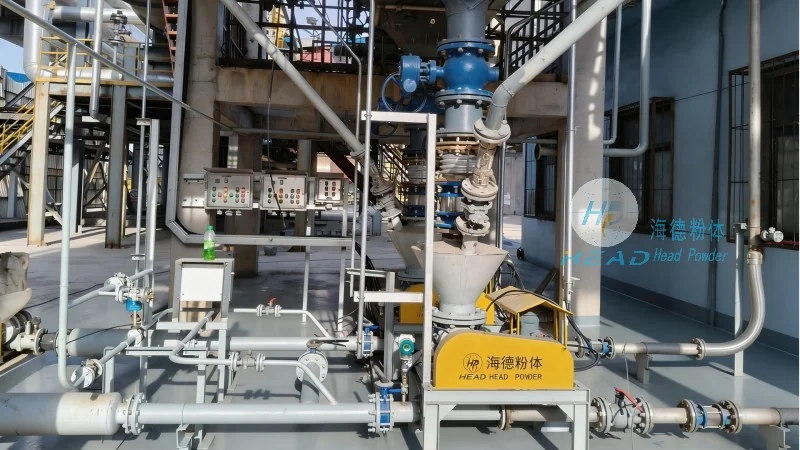
Adipic acid material handling systems are engineered to transport adipic acid from storage tanks or production units to processing equipment like reactors or polymerization units. These systems typically consist of components including feeders, conveyors, pumps, and storage vessels, all designed to handle the chemical's physical properties and ensure minimal exposure to the environment. The primary goal is to maintain the purity of adipic acid while minimizing the risk of contamination or degradation during transport.
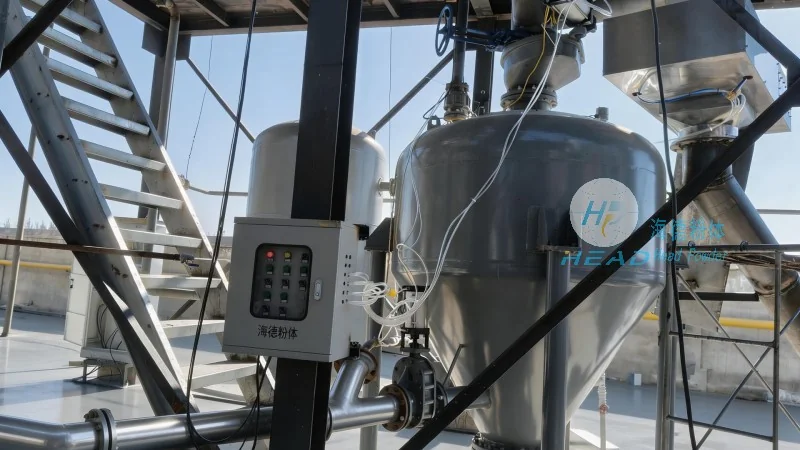
The core working principle of adipic acid material handling systems involves a series of controlled steps to move the chemical from its source to the destination. The process typically starts with the adipic acid being stored in a sealed tank, where it is kept under controlled temperature and pressure to prevent degradation. From the storage tank, the material is transferred to a feeder or pump, which regulates the flow rate and pressure. The feeder may use a screw or rotary mechanism to ensure a consistent and controlled discharge of the material. The conveyor system, often a pneumatic or mechanical conveyor, then transports the adipic acid to the processing unit. This system may include components like hoppers, chutes, and valves to direct the flow accurately. The entire process is monitored by sensors and control systems to maintain optimal conditions and prevent overfilling or underflow.
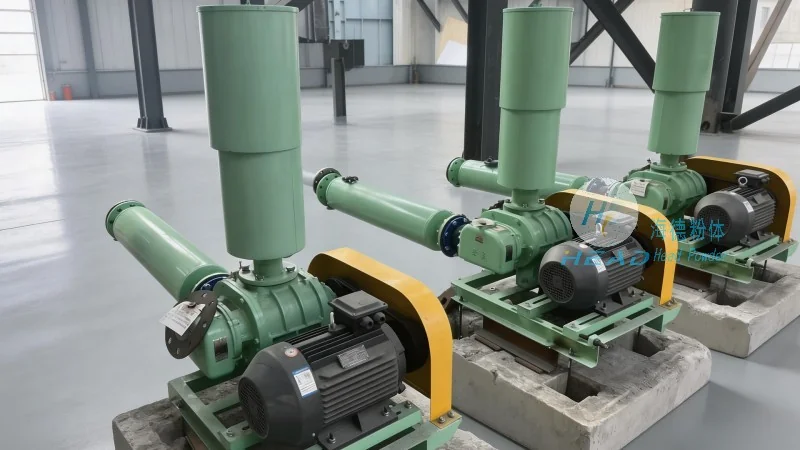
Several key features distinguish effective adipic acid material handling systems, focusing on efficiency, safety, and durability. First, the equipment is constructed from materials that are chemically resistant to adipic acid, such as stainless steel or specialized alloys, to prevent corrosion and maintain product purity. Second, dust control mechanisms are integrated into the system to minimize the release of fine particles, which is crucial for maintaining air quality and preventing health hazards. Third, the system includes safety features like overpressure relief valves and emergency shutdown systems to protect operators and equipment from potential hazards. Fourth, the design incorporates easy maintenance and cleaning protocols to ensure the system remains operational and compliant with industry standards. Finally, the system is equipped with advanced control systems that allow for real-time monitoring and adjustment of parameters, enhancing overall operational efficiency.
In industrial settings, adipic acid material handling systems play a vital role in the production of nylon and other polymers. By ensuring the efficient and safe transport of adipic acid, these systems contribute to higher production yields and reduced downtime. The features discussed, such as chemical resistance and dust control, help maintain the quality of the final product, which is essential for meeting customer specifications. Additionally, the safety features integrated into the system protect workers from exposure to hazardous chemicals, reducing the risk of accidents and improving workplace safety. The advanced control systems also enable operators to optimize the process, leading to cost savings and increased productivity.
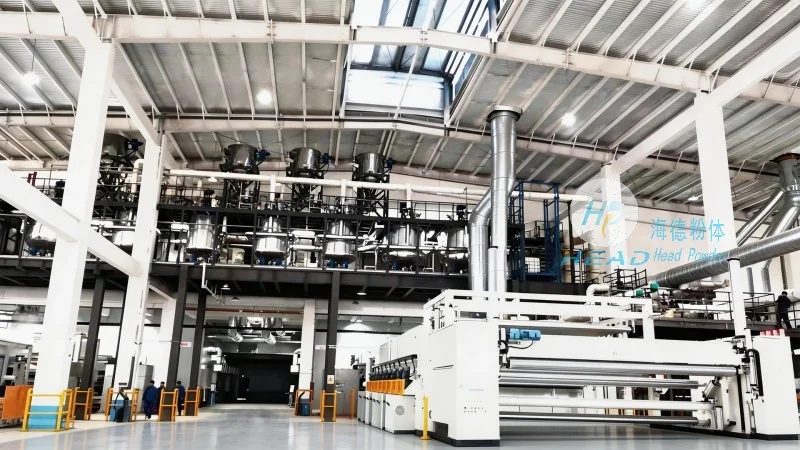
Adipic acid material handling systems are essential components in the chemical industry, particularly in the production of adipic acid-based polymers. The working principles and features of these systems are designed to address the unique challenges of handling this chemical, ensuring efficiency, safety, and product quality. By understanding these principles and features, industries can select and implement the most suitable equipment to meet their production needs. As the demand for adipic acid and its derivatives continues to grow, the importance of reliable material handling systems will only increase, making them a critical investment for manufacturers.

 Shandong Headpowder Engineering Co., Ltd.
 156-6277-7102(Manager Zhang)
  0531-83386006
  Zhangqiu District, Jinan City, Shandong Province, China
telephone
WeChatconsult
top