

Working Principle and Features of Dry Sand Material Handling Systems and Equipment
Shandong HeadPowder Engineering Co., Ltd., commonly known as HeadPowder, specializes in the design, manufacturing, and supply of advanced material handling equipment tailored for dry sand applications. With a focus on efficiency and reliability, their systems are engineered to meet the demands of various industrial sectors, ensuring seamless material transport from source to destination. This article delves into the working principles and key features of their dry sand material handling systems, providing insights into how these solutions enhance operational productivity.
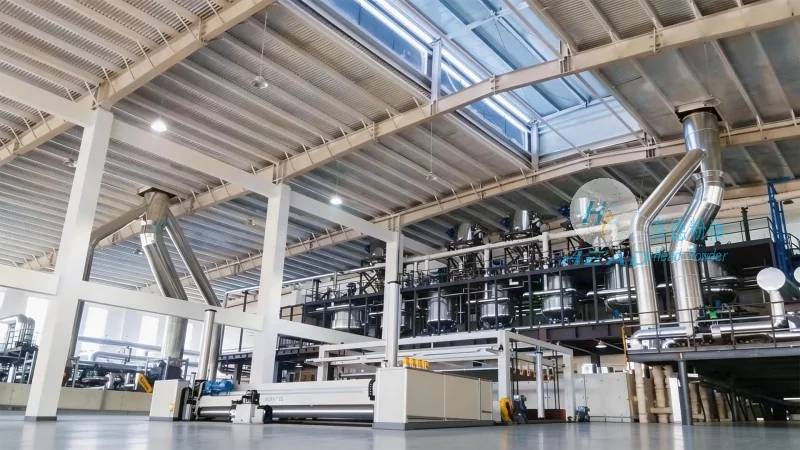
Core Working Principle of Dry Sand Material Handling Systems
The dry sand material handling systems developed by HeadPowder are built on a robust mechanism that efficiently transports dry sand through a series of components. The primary working principle involves the use of mechanical or pneumatic systems to move sand particles without the need for additional moisture or binding agents. For instance, some systems employ screw conveyors, which utilize rotating helical blades to push sand along a trough, while others may utilize air-based pneumatic conveyors that use compressed air to create a vacuum or pressure differential to draw or push sand through pipelines. The choice of mechanism depends on the specific application requirements, such as the distance, volume, and environmental conditions. The systems are designed to maintain consistent flow rates, ensuring that sand is transported in a controlled manner, minimizing segregation and loss. The control systems, often integrated with sensors and automation, allow for real-time monitoring and adjustment of the transport process, optimizing performance and reducing downtime.
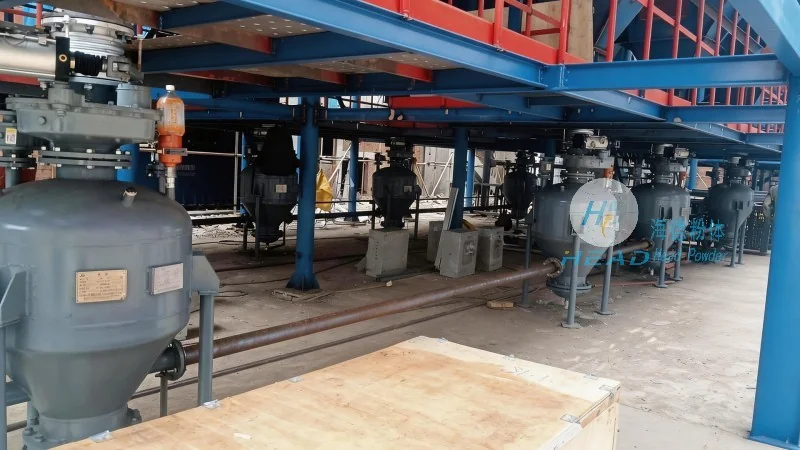
Key Features of Dry Sand Material Handling Systems
HeadPowder's dry sand material handling systems are characterized by several key features that set them apart in the industry. Firstly, they offer high efficiency in material transport, with the ability to handle large volumes of dry sand at consistent speeds. The systems are designed for durability, using high-quality materials that resist wear and corrosion, ensuring long-term reliability even in harsh operating conditions. Another notable feature is their adaptability, as they can be customized to suit different sand types, particle sizes, and application scenarios. This flexibility allows users to integrate the systems into existing production lines or new setups without significant modifications. Additionally, the systems are equipped with safety features, such as overload protection and emergency stop mechanisms, to prevent accidents and ensure operator safety. The integration of advanced control technologies, including programmable logic controllers (PLCs) and variable frequency drives (VFDs), enables precise control over the transport process, enhancing energy efficiency and reducing operational costs. The systems also prioritize minimal maintenance, with easy access to components and standardized parts that simplify repairs and reduce downtime.
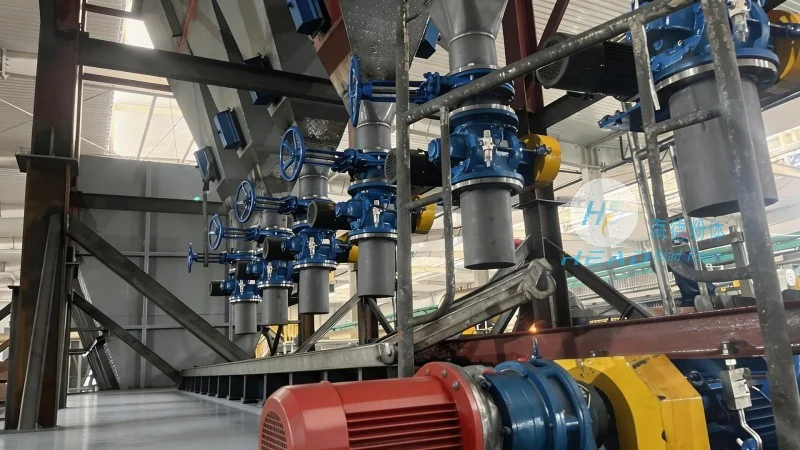
Application Scenarios and Benefits
Dry sand material handling systems from HeadPowder are widely used in various industries, including construction, mining, and manufacturing. In the construction sector, they are employed to transport sand for concrete mixing and road construction, ensuring a steady supply of material to the worksite. In mining operations, the systems help in the transportation of sand from extraction sites to processing facilities, improving the overall workflow. The benefits of using these systems include increased productivity, reduced labor costs, and improved safety due to automated processes. The systems also contribute to environmental sustainability by minimizing material loss and reducing the need for manual handling, which can lead to dust exposure and health hazards. By leveraging the advanced technology and expertise of HeadPowder, industries can achieve efficient and reliable sand transport, enhancing their operational capabilities and competitiveness.