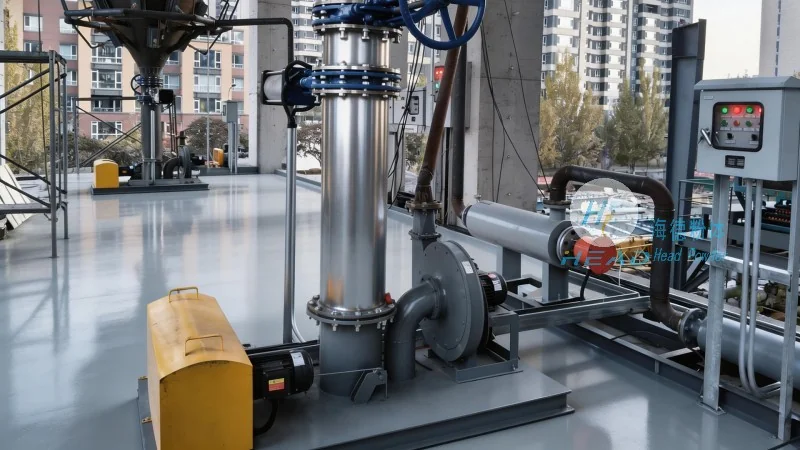
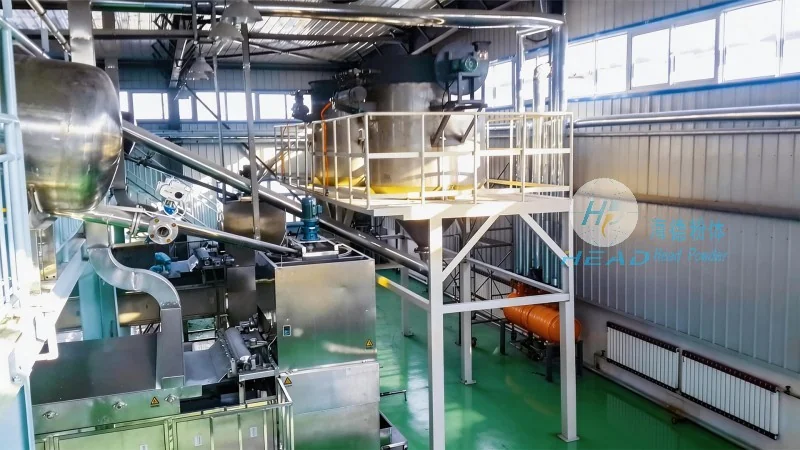
With more than 10‑year industry experience, Shandong Headpowder delivers full‑service pneumatic‑conveying systems and blowers, undertaking nationwide turn‑key powder‑handling projects.
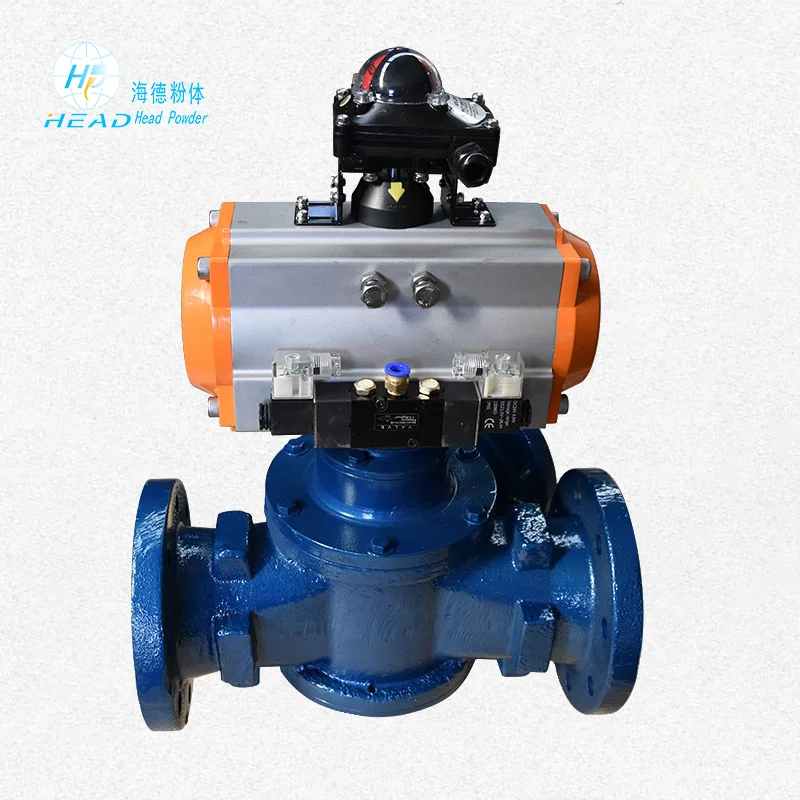
In the realm of industrial automation, converting linear or pneumatic energy into rotational motion is a critical requirement for many machinery applications. The pneumatic swing valve serves as a pivotal component in this conversion process. Unlike standard linear actuators, the pneumatic swing valve utilizes compressed air to drive a piston, which in turn rotates a shaft or blade through a 90 or 180-degree arc. This mechanism is essential for operations that require precise angular positioning and rapid actuation. Whether it is for sorting systems, packaging lines, or wood processing equipment, the pneumatic swing valve offers a robust solution for intermittent rotary motion. The efficiency of these valves relies heavily on their internal sealing mechanisms and the quality of the materials used to construct the cylinder and the rotating blade. By ensuring minimal air leakage and maximum torque output, these valves contribute significantly to the overall energy efficiency of automated systems.
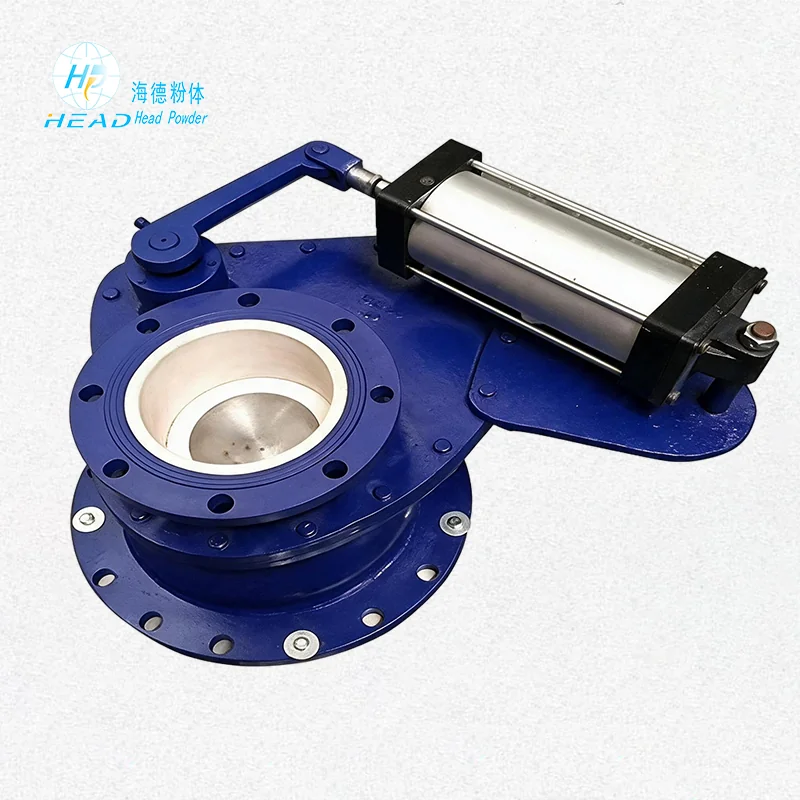
When seeking a reliable partner for industrial automation components, identifying a reputable swing valve manufacturer is paramount. Shandong Headpowder Engineering Co., Ltd. stands out as a distinguished entity in this field. Located in Shandong, China, the company has dedicated itself to the research, development, and production of high-quality pneumatic control products. As a professional swing valve manufacturer, Shandong Headpowder Engineering Co., Ltd. integrates advanced manufacturing technologies with rigorous quality control standards. Their facility is equipped to handle complex engineering requirements, allowing them to produce valves that meet specific industrial standards. The company’s commitment to precision engineering ensures that every pneumatic swing valve leaving their factory is capable of withstanding harsh operating environments while maintaining consistent performance. By focusing on the core mechanics of the valve, they provide solutions that enhance the operational lifespan of their clients' machinery.
Understanding the cost structure of industrial components is essential for procurement managers and engineers. The price of a pneumatic swing valve is not arbitrary; it is determined by several technical and material factors. One of the primary drivers is the material of construction. Valves made from high-grade stainless steel, such as 304 or 316, command a higher price point due to their superior corrosion resistance and durability compared to those made from cast iron or standard carbon steel. Additionally, the pressure rating and flow capacity of the valve play a significant role in pricing. High-pressure models designed for heavy-duty industrial applications require thicker walls and more robust internal components, which increases manufacturing costs. Customization is another factor; bespoke designs that require non-standard dimensions or specific mounting configurations will naturally incur higher costs than off-the-shelf models. Shandong Headpowder Engineering Co., Ltd. strives to offer competitive pricing by optimizing their production processes without compromising on the quality of their pneumatic swing valves.
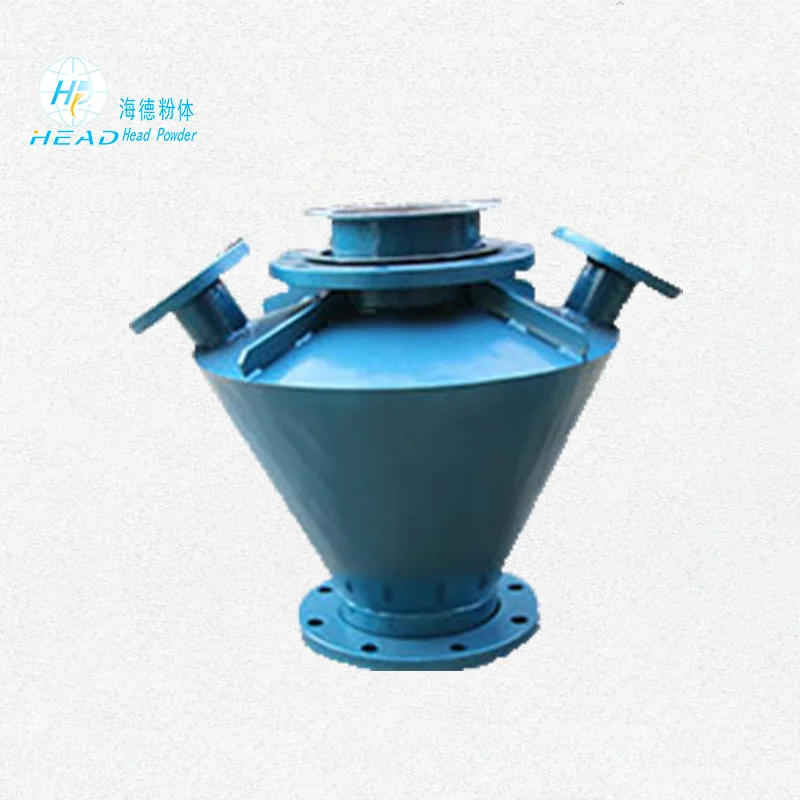
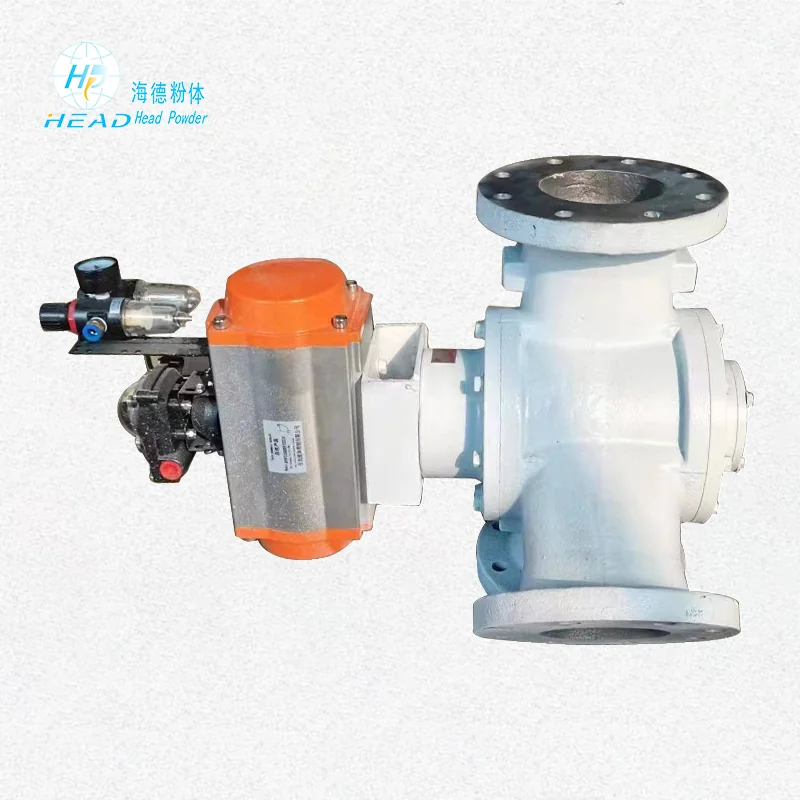
The design of a pneumatic swing valve is characterized by its compact structure and powerful output. Typically, these valves consist of a cylinder body, a piston, a rotating shaft (often referred to as the blade), and a sealing system. The quality of the seals is crucial; high-performance seals prevent air leakage, ensuring that the actuation force is fully utilized to drive the load. The valve's speed and angle of rotation can often be adjusted based on the air supply pressure and the size of the orifice. For applications requiring extreme durability, manufacturers may utilize hardened materials for the shaft and wear rings. The integration of a pneumatic swing valve into a system often requires careful consideration of mounting interfaces to ensure stability during operation. Shandong Headpowder Engineering Co., Ltd. pays close attention to these details, ensuring that every valve is engineered for longevity and ease of integration into existing production lines.
Choosing the right supplier involves evaluating technical capability, delivery reliability, and after-sales support. Shandong Headpowder Engineering Co., Ltd. prides itself on its customer-centric approach. As a leading swing valve manufacturer, they offer comprehensive technical support to help clients select the appropriate valve for their specific application. Their team of engineers understands the nuances of pneumatic systems and can provide valuable insights into system optimization. Furthermore, the company’s location in Shandong provides logistical advantages for distribution within China and international markets. By maintaining strict quality control protocols throughout the manufacturing process, they ensure that every pneumatic swing valve meets the highest industry standards. Clients can rely on their products for consistent performance, reducing downtime and maintenance costs in their operations.
For businesses interested in upgrading their automation systems or requiring custom pneumatic solutions, direct communication with the manufacturer is highly recommended. Shandong Headpowder Engineering Co., Ltd. is ready to assist with inquiries regarding product specifications, availability, and pricing. To discuss your specific requirements or to request a quote, you may contact their sales department directly. The company is managed by experienced professionals who are dedicated to providing exceptional service. If you wish to initiate a conversation regarding your pneumatic swing valve needs, please reach out to Mr. Zhang, the contact person at the company. You can connect with Mr. Zhang via WeChat at 15662777102. Engaging with the team at Shandong Headpowder Engineering Co., Ltd. ensures that you will receive expert guidance and high-quality products tailored to your industrial needs.

 Shandong Headpowder Engineering Co., Ltd.
 156-6277-7102(Manager Zhang)
  0531-83386006
  Zhangqiu District, Jinan City, Shandong Province, China
telephone
WeChatconsult
top