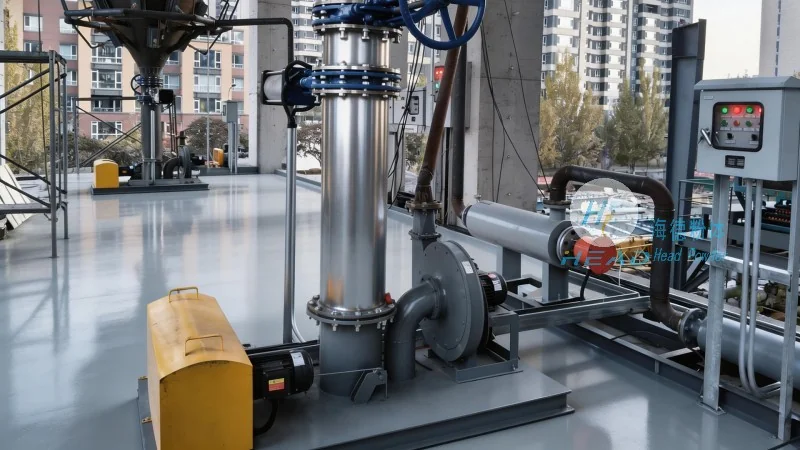
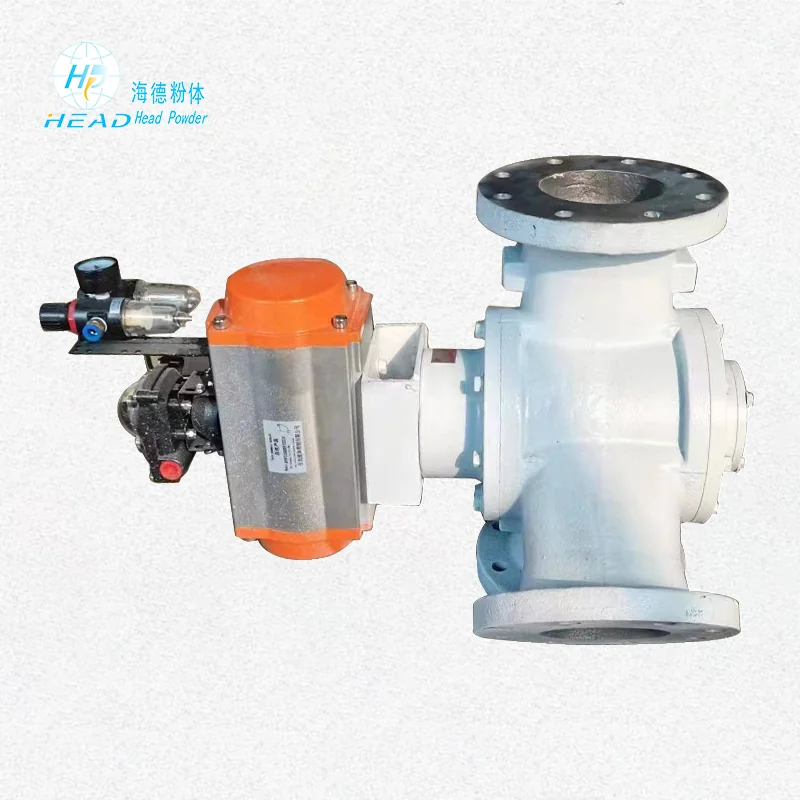
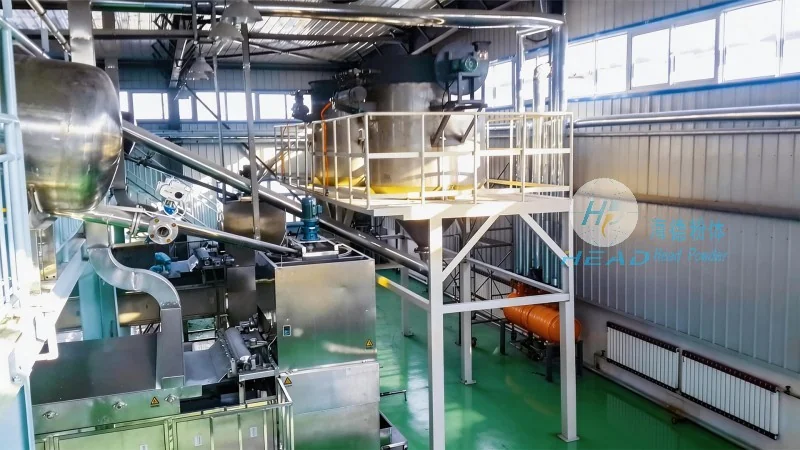
With more than 10‑year industry experience, Shandong Headpowder delivers full‑service pneumatic‑conveying systems and blowers, undertaking nationwide turn‑key powder‑handling projects.
Shandong Headpowder Engineering Co., Ltd. stands as a prominent figure in the field of industrial dust collection and environmental protection equipment. Located in the industrial hub of Shandong, China, our company is dedicated to providing high-performance filtration solutions to a diverse range of industries. As a specialized manufacturer, we focus heavily on the research, development, and production of advanced dust removal machinery. Our core expertise lies in the design and fabrication of high-efficiency multi-cyclone dust collectors, which are essential for maintaining clean air standards in heavy industrial environments. We pride ourselves on our ability to deliver robust, durable, and cost-effective equipment that meets the rigorous demands of modern manufacturing and processing facilities.
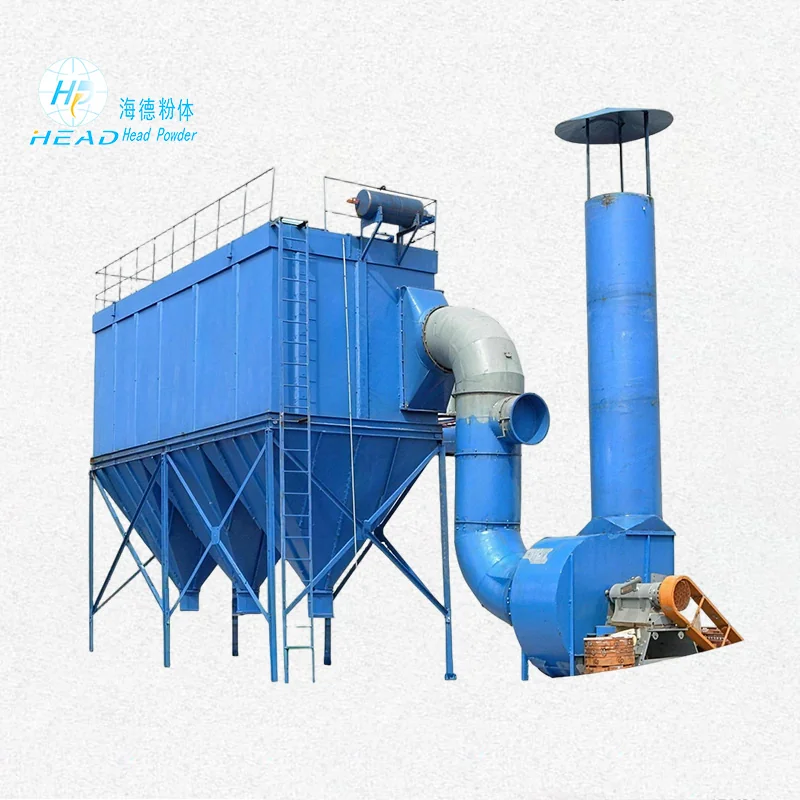
Our commitment to quality is reflected in our manufacturing processes. We utilize state-of-the-art production facilities and employ skilled engineers who understand the intricacies of gas-solid separation. Whether the application involves mining, cement production, power generation, or chemical processing, our equipment is engineered to withstand harsh operating conditions while maintaining optimal separation efficiency. We serve as a trusted partner for businesses looking to upgrade their dust control systems or implement new filtration technologies.
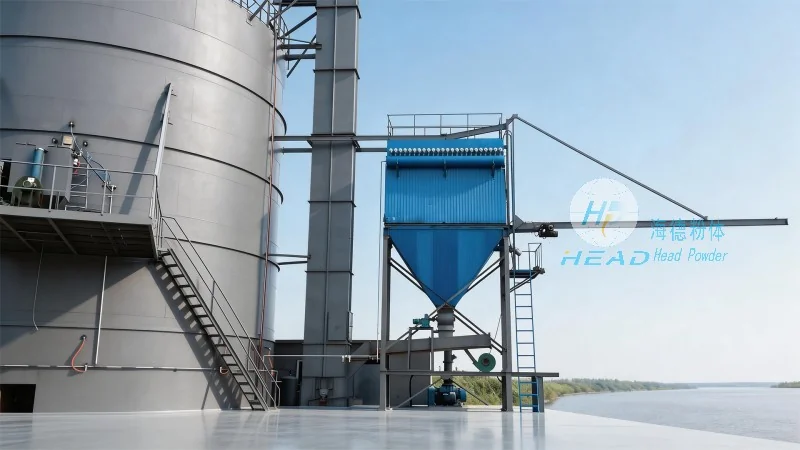
The multi-cyclone dust collector is a sophisticated piece of equipment designed to separate fine dust particles from industrial exhaust gases. Unlike traditional single-cyclone designs, the multi-cyclone system utilizes a large number of small, parallel cyclone tubes arranged within a common housing. This structural innovation allows for a significantly higher processing capacity while maintaining a compact footprint. The principle of operation relies on centrifugal force; as the dusty gas enters the system, it is forced to swirl at high speeds within these small cyclone tubes. The heavier dust particles are thrown outward against the tube walls and collected in the hopper, while the clean air moves upward and exits through the central outlet.
One of the primary advantages of this technology is its high separation efficiency. The small diameter of the individual cyclone tubes increases the centrifugal force acting on the particles, allowing for the capture of finer dust particles that might otherwise escape. Additionally, the multi-cyclone design typically offers a lower pressure drop compared to other types of collectors, which helps in reducing the energy consumption required for the exhaust fan. This combination of high efficiency and energy savings makes the multi-cyclone dust collector an ideal choice for industries where air quality compliance and operational cost control are paramount.
The construction of these units is robust and built to last. We use high-quality wear-resistant materials for the cyclone tubes and housing, ensuring that the equipment can handle abrasive dust without rapid degradation. Properly maintained, a multi-cyclone dust collector can provide years of reliable service, significantly reducing the environmental impact of industrial operations.
When selecting a partner for dust collection equipment, reliability and technical support are critical. Headpowder has established itself as a premier dust collector manufacturer through years of consistent performance and customer satisfaction. Our brand, Headpowder, is synonymous with precision engineering and industrial durability. We do not simply sell generic products; we offer tailored solutions that are customized to fit the specific gas volume, dust characteristics, and spatial constraints of our clients' facilities.
Our engineering team works closely with clients during the consultation phase to analyze their process requirements. We understand that every industrial application is unique, and a one-size-fits-all approach rarely yields the best results. Therefore, we offer comprehensive design services to optimize the performance of the multi-cyclone system. From the selection of materials to the calculation of the optimal gas velocity, every detail is carefully considered to ensure the final product performs exactly as expected. Our dedication to engineering excellence ensures that our clients receive equipment that not only meets but exceeds their operational expectations.
Furthermore, our manufacturing facility in Shandong is equipped with advanced testing equipment. Each unit undergoes rigorous quality control checks to ensure structural integrity and separation efficiency before it leaves our factory. We believe in transparency and accountability, providing detailed documentation and performance data for all our products. By choosing Headpowder, clients are partnering with a company that values long-term relationships and continuous improvement.
When considering the purchase of industrial filtration equipment, clients often inquire about the dust collector price. It is important to understand that pricing is determined by a variety of factors, including the size of the unit, the specific materials used in construction, the complexity of the design, and the required separation efficiency. At Shandong Headpowder Engineering Co., Ltd., we strive to provide transparent and competitive pricing that reflects the high quality of our products.
While cost is a significant consideration, our approach is to focus on the total value proposition. A lower price tag might indicate cheaper materials or inferior construction, which can lead to frequent repairs, downtime, and higher operational costs in the long run. We prioritize value by ensuring that our multi-cyclone dust collectors are built to last. Our pricing structure is designed to offer a balance between affordability and premium quality, ensuring that clients receive a return on their investment through reduced maintenance needs and extended equipment life.
We offer a range of models and specifications to suit different budget levels without compromising on the core engineering principles of the multi-cyclone dust collector. Our team is available to provide detailed quotations and cost analyses to help clients make informed purchasing decisions. We believe that every client deserves access to high-quality dust removal technology, and we work diligently to make our products accessible across various market segments.
At Shandong Headpowder Engineering Co., Ltd., we are committed to supporting our clients throughout the entire lifecycle of the product. If you are interested in learning more about our multi-cyclone dust collectors or would like to discuss your specific dust removal needs, we encourage you to reach out to our team. Our dedicated professionals are ready to assist you with technical specifications, customization options, and pricing details.
To connect with our sales team, please contact Zhang Manager via WeChat at 15662777102. We look forward to the opportunity to discuss how Headpowder can enhance the efficiency and compliance of your industrial operations with our superior dust collection technology. Your satisfaction is our priority, and we are here to ensure you find the perfect solution for your environmental control requirements.

 Shandong Headpowder Engineering Co., Ltd.
 156-6277-7102(Manager Zhang)
  0531-83386006
  Zhangqiu District, Jinan City, Shandong Province, China
telephone
WeChatconsult
top