With more than 10‑year industry experience, Shandong Headpowder delivers full‑service pneumatic‑conveying systems and blowers, undertaking nationwide turn‑key powder‑handling projects.
Understanding the operation process and working principle of dry flue gas desulfurization ash powder conveying machines is crucial for optimizing industrial processes in power generation and environmental protection sectors. These specialized equipment are designed to handle the transportation of dry ash generated from flue gas desulfurization systems, ensuring efficient and safe material movement within industrial facilities.
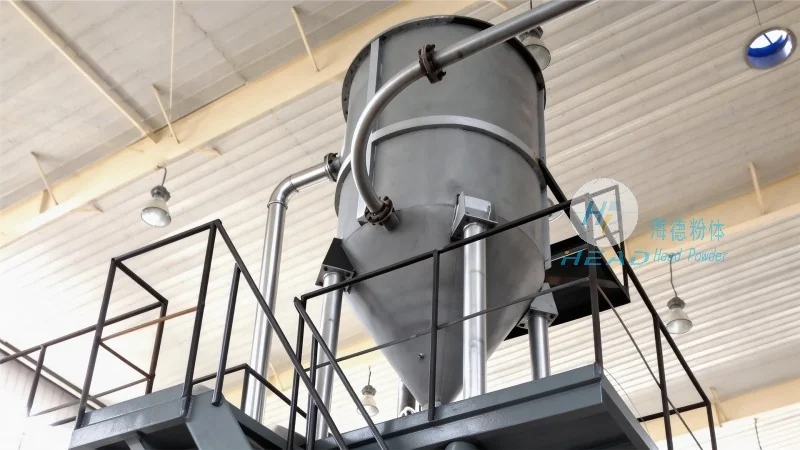
Dry flue gas desulfurization (FGD) ash is a byproduct of the sulfur removal process from flue gases, typically produced in coal-fired power plants. The ash, often in powder form, needs to be transported from the desulfurization unit to storage or disposal sites. Conveying machines specifically engineered for this application are essential to maintain the integrity of the ash and ensure smooth operational flow. The equipment from Shandong HeadPowder Engineering Co., Ltd. exemplifies advanced engineering solutions tailored to meet these demands.
The dry FGD ash powder conveying machine typically consists of several critical components that work in concert to achieve efficient material transport. These include a feeding mechanism, a conveying tube or belt system, a drive unit, and a control system. The feeding section is responsible for introducing the ash powder into the system, often using a hopper or feeder that can handle the bulk material. The conveying component, which may be a pneumatic system or a mechanical conveyor, transports the ash through the pipeline. The drive unit provides the necessary power to move the material, while the control system monitors and regulates the operation to ensure safety and efficiency. The entire system is designed to operate under conditions that maintain the dryness of the ash, preventing caking or blockages that could disrupt the process.
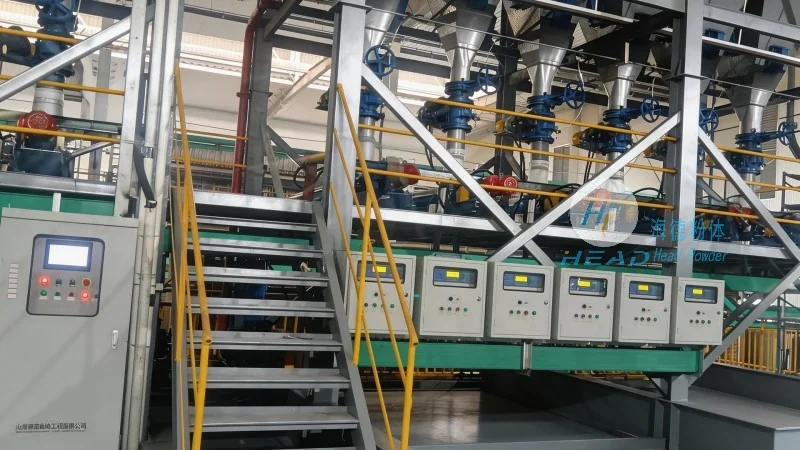
The operation of the dry FGD ash powder conveying machine follows a systematic sequence to ensure reliable material transport. Initially, the ash powder is fed into the hopper or feeder from the desulfurization unit. The feeder then regulates the flow rate, controlling the amount of material entering the conveying system. The material is then introduced into the conveying tube or belt, where it is propelled forward by the drive unit. In pneumatic systems, compressed air is used to create a flow that carries the ash particles through the pipeline. Mechanical systems may use belts or screws to move the material. The conveying process continues until the ash reaches the discharge point, where it is collected for storage or further processing. Throughout the operation, the control system continuously monitors parameters such as pressure, flow rate, and temperature to maintain optimal performance and prevent operational issues.
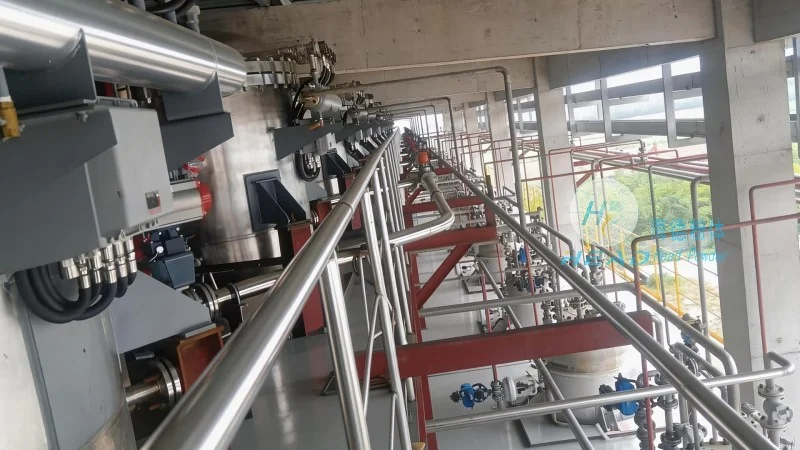
The working principle of the dry FGD ash powder conveying machine is based on the physics of material transport, specifically leveraging pneumatic or mechanical forces to move dry powder. In pneumatic systems, the principle involves creating a pressure differential within the conveying tube. Compressed air is introduced at one end, creating a flow that carries the ash particles along the tube. The air and ash mixture travels through the pipeline until it reaches the discharge point, where the air is separated from the ash, typically using a cyclone or filter. Mechanical systems, on the other hand, rely on the friction between the material and the conveying surface, such as a belt or screw, to move the ash forward. The drive unit provides the necessary torque to rotate the components, ensuring consistent movement. The design of the system, including the angle of the conveying tube and the speed of the drive, is critical to maintaining the dryness of the ash and preventing material degradation or blockages.
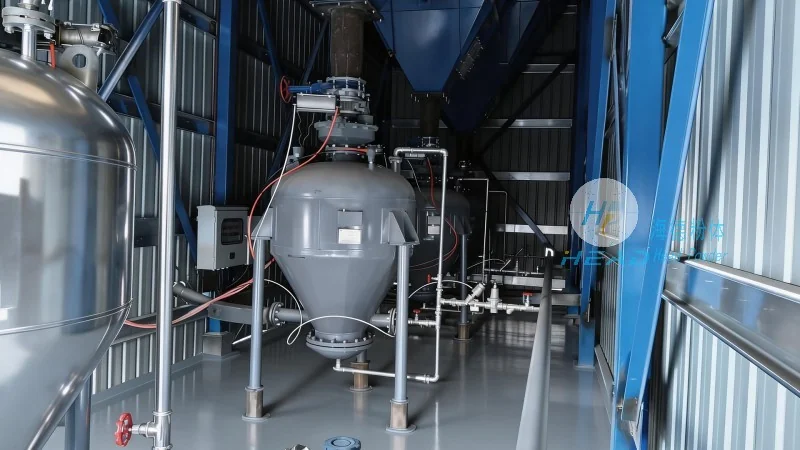
The dry FGD ash powder conveying machine offers several advantages that make it an ideal solution for industrial applications. One of the primary benefits is its ability to handle dry ash efficiently, preventing moisture-related issues such as caking or corrosion. The system is also designed for low maintenance, with components that are easy to access and replace, reducing downtime and operational costs. Additionally, the equipment is capable of transporting ash over long distances without the need for intermediate storage, improving overall process efficiency. These advantages make the conveying machine suitable for various applications, including power plants, industrial facilities, and waste management sites where dry FGD ash needs to be transported safely and effectively.
In conclusion, the operation process and working principle of dry flue gas desulfurization ash powder conveying machines are integral to the efficient management of FGD ash in industrial settings. The equipment from Shandong HeadPowder Engineering Co., Ltd. represents a sophisticated solution that combines advanced engineering with practical design to meet the demands of modern power generation and environmental protection. By understanding the components, operation, and advantages of these machines, industries can optimize their processes, reduce operational costs, and ensure compliance with environmental regulations. The reliable performance of dry FGD ash powder conveying machines is essential for maintaining the integrity of the desulfurization process and supporting sustainable industrial practices.

 Shandong Headpowder Engineering Co., Ltd.
 156-6277-7102(Manager Zhang)
  0531-83386006
  Zhangqiu District, Jinan City, Shandong Province, China
telephone
WeChatconsult
top