With more than 10‑year industry experience, Shandong Headpowder delivers full‑service pneumatic‑conveying systems and blowers, undertaking nationwide turn‑key powder‑handling projects.
When it comes to the efficient and reliable transportation of pebbles using gas pneumatic conveying systems, a well-thought-out design is paramount. This article provides a comprehensive guide on the key factors and considerations that contribute to the successful design of a pebble gas pneumatic conveying system, ensuring optimal performance, cost-effectiveness, and longevity of the system.
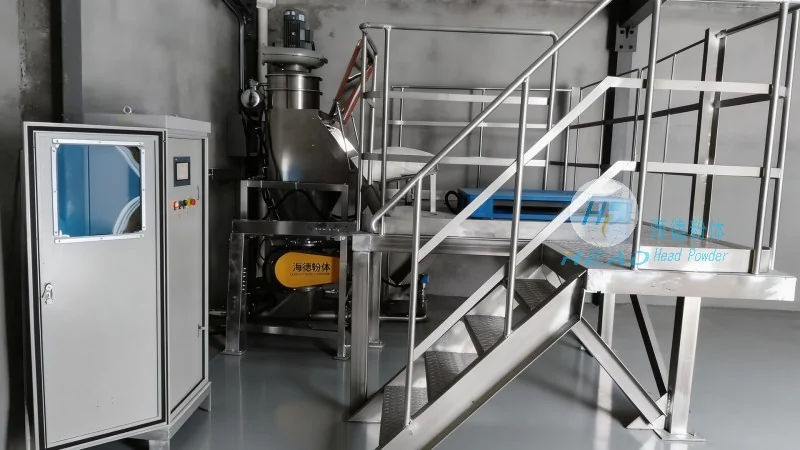
A pebble gas pneumatic conveying system typically consists of several critical components that work in tandem to move material from one location to another. The primary elements include the material feed hopper, the air supply system (usually a blower or compressor), the conveying line (often made of metal or plastic pipes), and the receiving hopper or discharge equipment. Each component must be carefully selected and sized to match the specific characteristics of the pebbles being conveyed, such as size, density, and moisture content, as well as the required conveying distance and throughput.
Designing a pebble gas pneumatic conveying system requires a systematic approach that addresses several critical aspects. First, the selection of the appropriate air velocity is crucial. The air velocity must be high enough to entrain the pebbles but low enough to prevent excessive wear on the conveying line and components. Typically, air velocities range from 20 to 30 meters per second for fine to medium-sized pebbles, depending on the system's configuration and the material's properties. Second, the system's pressure and flow rate must be optimized to ensure consistent material flow without causing blockages or excessive energy consumption. This often involves calculating the required air volume and pressure based on the material's bulk density and the length of the conveying line.
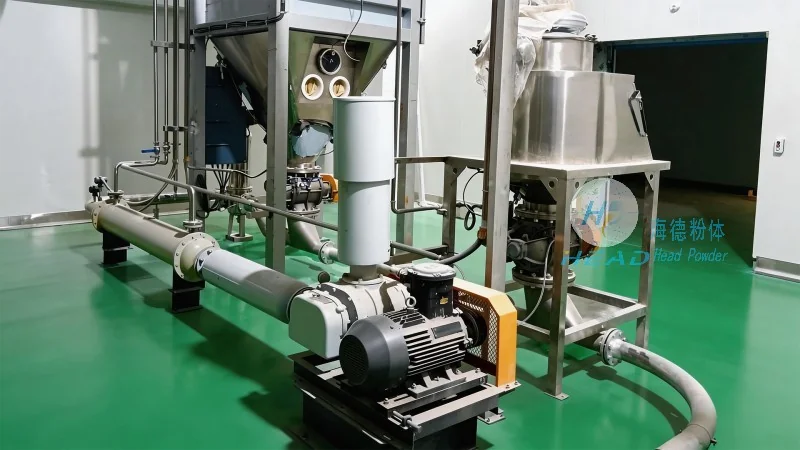
The material feed hopper plays a vital role in the smooth operation of the pebble gas pneumatic conveying system. It must be designed to prevent material bridging or caking, which can lead to uneven material flow and system inefficiencies. For pebbles, a hopper with a conical or wedge-shaped bottom is commonly used, as it promotes uniform material discharge. Additionally, the hopper should be equipped with a feeder, such as a rotary valve or a star valve, to control the material flow rate and prevent overloading the conveying line. The feeder must be sized appropriately to handle the material's bulk density and flow characteristics, ensuring a consistent feed rate that matches the system's capacity.
The conveying line is a critical component that directly impacts the system's performance and lifespan. For pebble gas conveying, metal pipes are often preferred due to their durability and resistance to abrasion from the pebbles. The pipe diameter is determined based on the required air velocity and the material's flow rate, with larger diameters typically used for longer conveying distances or higher throughput. The line should be equipped with appropriate fittings, such as elbows, tees, and reducers, to ensure smooth material flow and minimize pressure losses. Additionally, the system may include check valves or airlocks to prevent backflow and maintain system integrity.
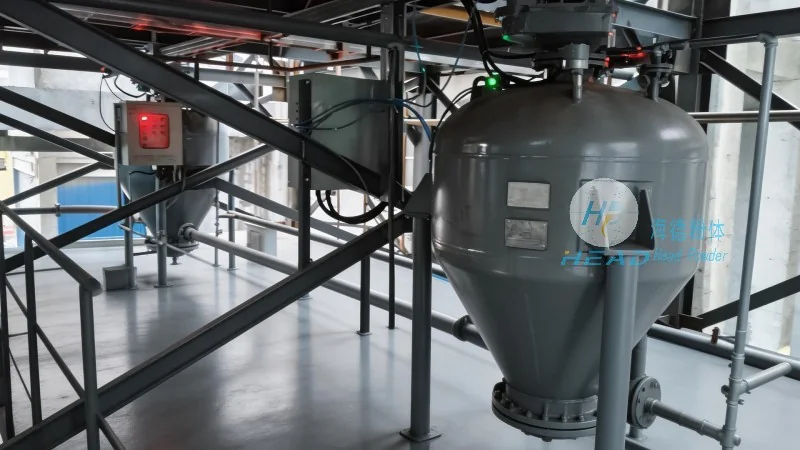
The receiving hopper or discharge equipment is responsible for collecting the pebbles at the end of the conveying line. It must be designed to handle the material's characteristics and prevent spillage or contamination. For pebbles, a hopper with a sloped bottom and a discharge valve is commonly used, allowing for controlled material discharge. The discharge valve should be selected based on the material's flowability and the required discharge rate, ensuring that the material is discharged smoothly without causing blockages or excessive wear on the valve components.
Integrating the various components of a pebble gas pneumatic conveying system into a cohesive unit requires careful planning and control. The system should be equipped with a control panel that allows for monitoring and adjustment of key parameters, such as air pressure, flow rate, and material feed rate. This enables operators to optimize the system's performance in real-time and respond to any changes in material characteristics or system conditions. Additionally, the system may include safety features, such as pressure relief valves and overcurrent protection, to ensure safe and reliable operation.
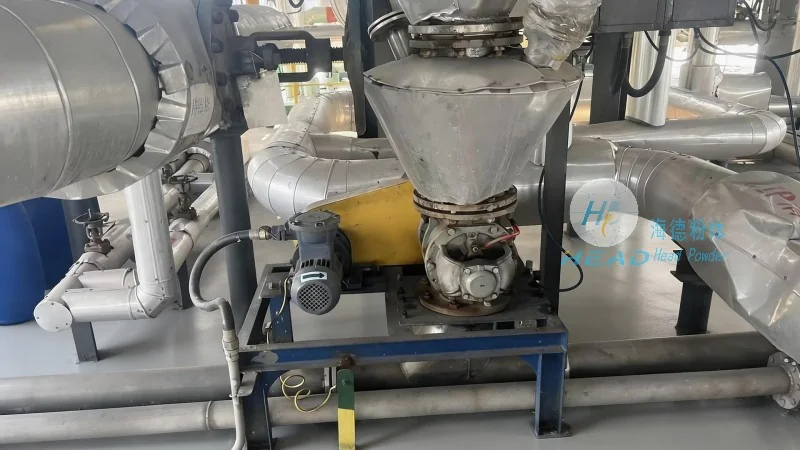
Shandong HeadPowder Engineering Co., Ltd., a leading provider of engineering solutions for material handling systems, has extensive experience in designing and implementing pebble gas pneumatic conveying systems. One of their recent projects involved the design of a system for a quarry operation in Shandong, China, where pebbles needed to be transported from a storage hopper to a processing facility over a distance of 200 meters. The system was designed with a high-efficiency blower, a 150mm diameter metal conveying line, and a custom-made hopper feeder. The design team at HeadPowder carefully considered the pebbles' size distribution (ranging from 5 to 20 mm) and density (approximately 2.6 g/cm³) to optimize the air velocity and pressure. The resulting system achieved a consistent throughput of 50 tons per hour with minimal energy consumption and low maintenance requirements. This case study highlights the importance of thorough material analysis and system optimization in achieving a successful pebble gas pneumatic conveying system design.
Designing a reasonable pebble gas pneumatic conveying system requires a comprehensive understanding of the material's properties, the system's requirements, and the available technology. By carefully considering the core components, design parameters, and integration aspects, engineers can develop a system that is efficient, reliable, and cost-effective. Shandong HeadPowder Engineering Co., Ltd. specializes in providing tailored engineering solutions for such systems, leveraging their expertise and experience to deliver high-quality, customized designs that meet the specific needs of their clients. Whether for industrial or commercial applications, a well-designed pebble gas pneumatic conveying system can significantly improve material handling efficiency and reduce operational costs.

 Shandong Headpowder Engineering Co., Ltd.
 156-6277-7102(Manager Zhang)
  0531-83386006
  Zhangqiu District, Jinan City, Shandong Province, China
telephone
WeChatconsult
top