With more than 10‑year industry experience, Shandong Headpowder delivers full‑service pneumatic‑conveying systems and blowers, undertaking nationwide turn‑key powder‑handling projects.
When it comes to managing sintered ash in industrial settings, the design of an efficient pneumatic conveying system is crucial for maintaining operational efficiency and safety. A well-planned system not only ensures the smooth transport of materials but also minimizes downtime and maintenance costs. This article provides a comprehensive guide to designing a reasonable sintered ash pneumatic conveying system, highlighting key factors and practical steps to consider.
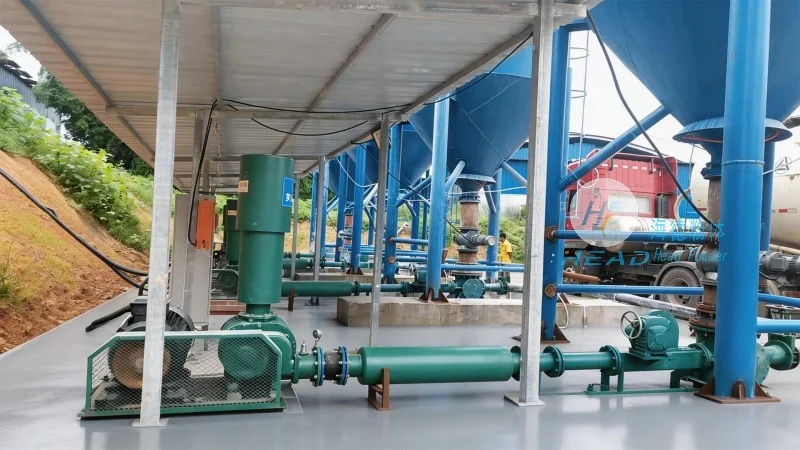
Sintered ash, a byproduct of sintering processes in metallurgical industries, requires specialized handling due to its properties such as particle size, moisture content, and density. Pneumatic conveying systems offer a flexible and effective solution for transporting these materials over short to medium distances. The design of such a system involves careful consideration of several critical parameters, including the material characteristics, system layout, and operational requirements.
The core components of a sintered ash pneumatic conveying system typically include a hopper for material storage, a feeder to control the flow rate, a conveying line (usually made of metal or plastic), a blower or compressor to generate the air flow, and a receiver for the discharged material. Each component plays a vital role in the overall performance of the system. Design considerations include the selection of appropriate materials for the conveying line to prevent corrosion or wear, the calculation of air velocity and pressure to ensure efficient transport, and the integration of safety features such as dust collection and explosion protection.
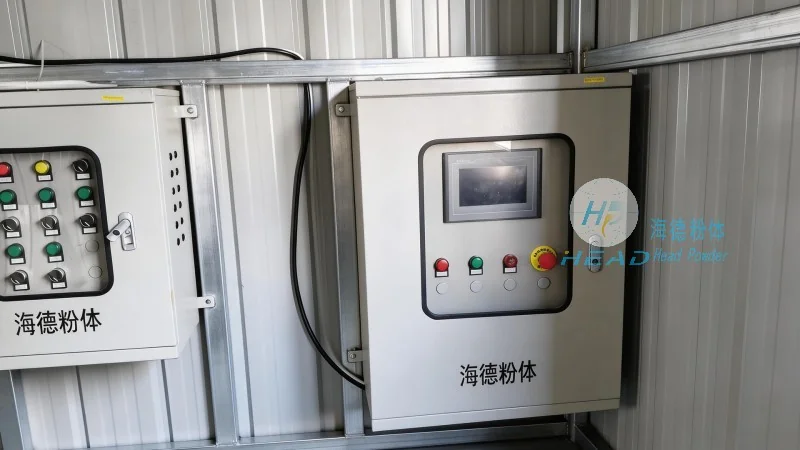
Shandong HeadPowder Engineering Co., Ltd., a leading provider of engineering solutions for material handling, brings extensive expertise in designing sintered ash pneumatic conveying systems. With years of experience in the industry, HeadPowder's team of engineers specializes in tailoring systems to meet the specific needs of clients. The company’s approach involves a thorough analysis of the client's operational requirements, material properties, and site conditions to develop a customized solution. This ensures that the final system is not only efficient but also cost-effective and reliable.
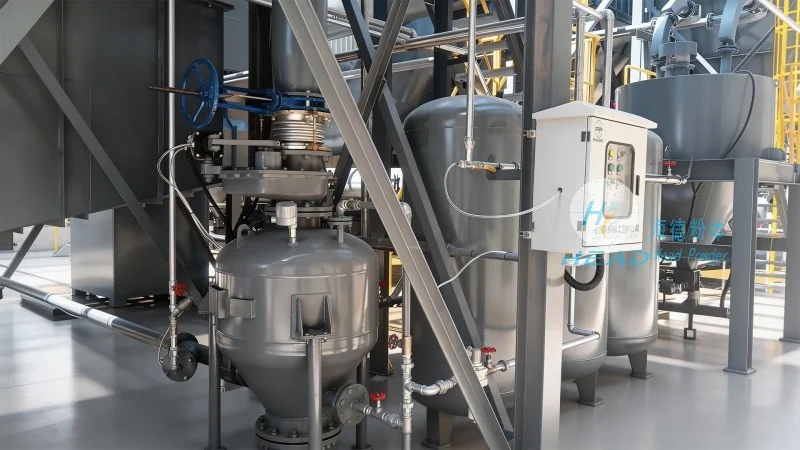
Designing a sintered ash pneumatic conveying system involves a systematic approach. The first step is to conduct a detailed assessment of the material to be conveyed, including its particle size distribution, moisture content, and bulk density. This information is crucial for determining the appropriate conveying velocity and air pressure. Next, the system layout is planned, considering the distance and obstacles between the source and destination points. The selection of the blower or compressor is based on the required air volume and pressure, which are calculated using established formulas for pneumatic conveying. Finally, the system is tested and optimized to ensure it meets the operational goals and safety standards.
Designing a reasonable sintered ash pneumatic conveying system requires a combination of technical knowledge, practical experience, and attention to detail. By considering the key components, design considerations, and the expertise of specialized engineering firms like Shandong HeadPowder Engineering Co., Ltd., industries can achieve efficient and reliable material handling solutions. A well-designed system not only improves productivity but also enhances workplace safety and reduces long-term operational costs.

 Shandong Headpowder Engineering Co., Ltd.
 156-6277-7102(Manager Zhang)
  0531-83386006
  Zhangqiu District, Jinan City, Shandong Province, China
telephone
WeChatconsult
top