

Operation Process and Working Principle of Iron Ore Powder Pneumatic Conveying Lines
Shandong HeadPowder Engineering Co., Ltd., commonly known as HeadPowder, is a professional manufacturer and supplier of pneumatic conveying systems specializing in iron ore powder handling solutions. HeadPowder is headquartered in Shandong, China, and has established itself as a leading provider in the field of bulk material transportation technology.
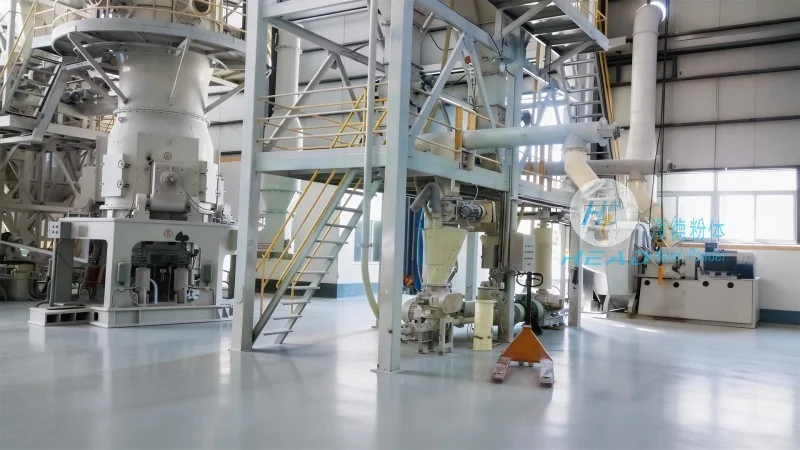
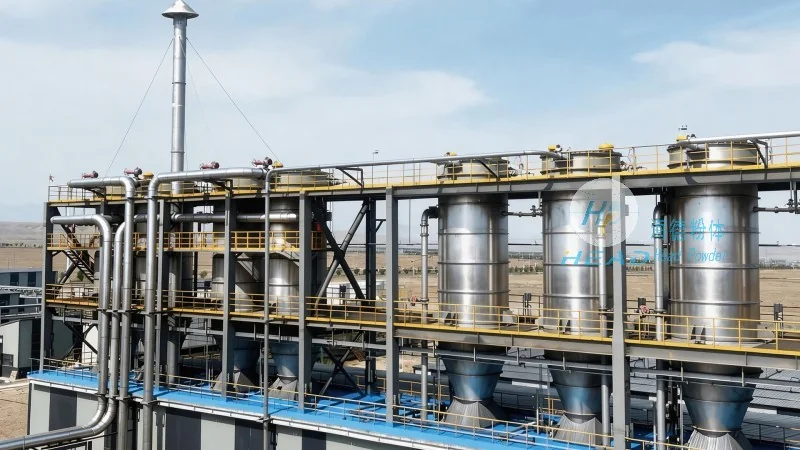
Overview of Iron Ore Powder Pneumatic Conveying Lines
Iron ore powder pneumatic conveying lines are advanced systems designed to transport iron ore powder efficiently and safely from storage silos or processing units to various destinations such as pelletizing plants, storage facilities, or processing equipment. These systems utilize air as the conveying medium, eliminating the need for mechanical components like belts or buckets, which reduces maintenance costs and enhances operational reliability. The technology is widely adopted in the iron and steel industry due to its ability to handle fine and coarse powders with minimal material degradation.
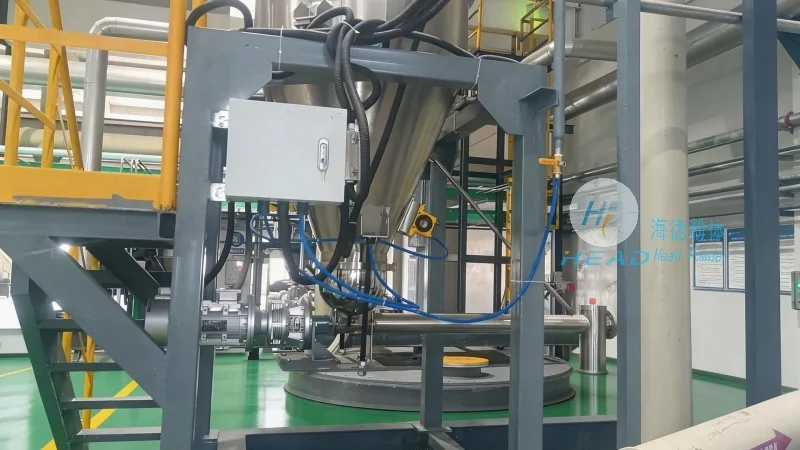
Operation Process of Iron Ore Powder Pneumatic Conveying Lines
The operation process of an iron ore powder pneumatic conveying line typically involves several key steps. First, the iron ore powder is fed into the system from a storage silo or hopper using a rotary valve or screw feeder. The feeder ensures a consistent and controlled flow of powder into the system, preventing blockages and maintaining system stability. Next, a high-pressure blower or compressor generates the necessary air pressure to move the powder through the pipeline. The air is introduced into the pipeline at a high velocity, creating a turbulent flow that suspends the iron ore powder particles in the air stream. The powder particles are carried along the pipeline by the air flow, and the system's design ensures that the particles remain suspended without settling. The pipeline network transports the powder from the source to the destination, which may be a pelletizing plant, a storage silo, or another processing unit. At the receiving end, the powder is separated from the air using a cyclone separator or a bag filter. The cyclone separator uses centrifugal force to separate the powder from the air, while the bag filter uses fabric bags to trap the powder particles. The separated powder is collected in a hopper or storage bin, and the air is either discharged to the atmosphere or recirculated back to the blower for energy efficiency. The entire process is controlled by a programmable logic controller (PLC) that monitors pressure, flow rate, and other parameters in real-time. The PLC adjusts the blower speed or air pressure as needed to maintain optimal flow rates and prevent system overload. Additionally, the system includes safety features such as pressure relief valves and emergency shut-off switches to ensure safe operation in case of malfunctions.
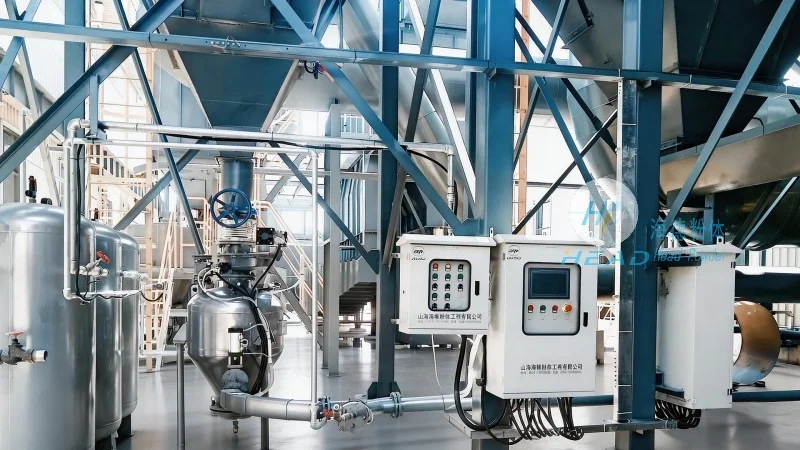
Working Principle of Iron Ore Powder Pneumatic Conveying Lines
The working principle of iron ore powder pneumatic conveying lines is based on the principle of fluidization and suspension. When air is introduced into the pipeline at a high velocity, it creates a fluidized state where the iron ore powder particles are suspended in the air stream. The key to efficient conveying is maintaining the powder in a suspended state throughout the pipeline. The system's design, including the blower's air pressure and the pipeline's diameter, is critical in achieving this. The blower provides the necessary air pressure to overcome the resistance of the pipeline and the powder particles. The pipeline's diameter and length also affect the conveying efficiency, as larger diameters and shorter lengths reduce pressure drop and improve flow rates. The separator at the receiving end works by using centrifugal force to separate the powder from the air. The cyclone separator, for example, has a conical shape that causes the air to swirl around the separator, and the powder particles are forced to the outer wall due to centrifugal force, falling to the bottom of the separator where they are collected. The air, now free of powder, exits the separator and is either discharged or recirculated. The control system plays a crucial role in maintaining the balance between air pressure and powder flow, ensuring that the system operates within its optimal range. By monitoring and adjusting these parameters, the system can handle varying loads and maintain consistent performance.