With more than 10‑year industry experience, Shandong Headpowder delivers full‑service pneumatic‑conveying systems and blowers, undertaking nationwide turn‑key powder‑handling projects.
Wheat bran, a byproduct of wheat milling, is widely used in the food, animal feed, and pharmaceutical industries. Efficient and reliable material handling is crucial for processing these materials, and pneumatic conveying systems have emerged as a preferred solution due to their ability to transport bulk materials like wheat bran over long distances with minimal maintenance. This article provides an in-depth analysis of pneumatic conveying technologies specifically tailored for wheat bran, focusing on the comparison between positive pressure and negative pressure modes.
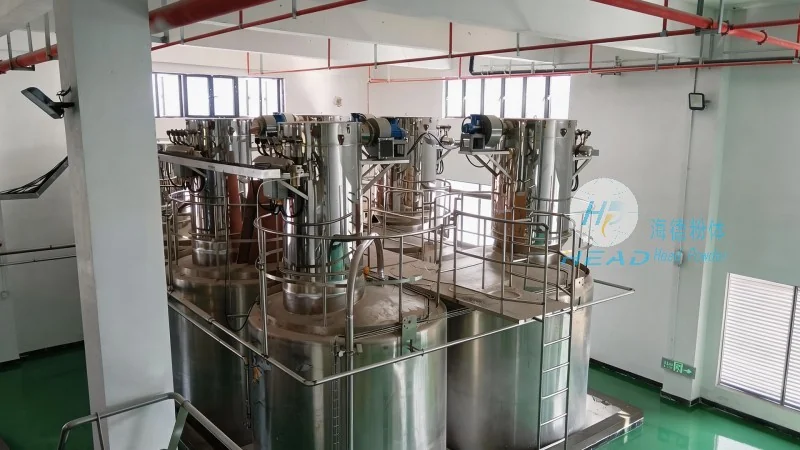
Pneumatic conveying involves the movement of solid particles through a pipeline using a gas stream, typically air. The system can operate under positive pressure, where air is forced into the system, or negative pressure, where air is drawn out. Each mode has distinct characteristics that affect its suitability for wheat bran applications.
Positive pressure systems use a blower or fan to generate air pressure that pushes the material through the pipeline. This mode is particularly effective for transporting wheat bran over long distances or when the material needs to be delivered to multiple points. The high pressure ensures that the material is moved continuously, reducing the risk of clogging and ensuring consistent flow rates. For wheat bran, which can be dusty and have varying particle sizes, positive pressure systems often incorporate features such as pulse jets or rotary valves to maintain optimal air flow and prevent material buildup.
Negative pressure systems, also known as vacuum conveying, use a vacuum pump to draw material into the system. This mode is ideal for applications where the material needs to be collected from multiple sources or when the process requires a cleaner environment, as the system is enclosed and prevents dust from escaping. Negative pressure is particularly useful for handling wheat bran in environments where dust control is critical, such as in food processing facilities. However, it may be less efficient for long-distance transport compared to positive pressure systems, as the vacuum can decrease over longer pipelines.

The choice between positive and negative pressure pneumatic conveying for wheat bran depends on several factors, including the distance of transport, the number of discharge points, the required dust control, and the overall system cost. Positive pressure systems are generally more suitable for long-distance transport and high-volume applications, while negative pressure systems excel in applications requiring strict dust containment and multiple collection points.
Shandong HeadPowder Engineering Co., Ltd., a leading manufacturer of pneumatic conveying equipment, specializes in designing and manufacturing systems tailored to the unique needs of wheat bran processing. With years of experience in the industry, HeadPowder has developed advanced solutions that optimize material handling efficiency, reduce maintenance costs, and ensure compliance with industry standards. The company's engineers work closely with clients to understand their specific requirements, such as the type of wheat bran being processed, the distance of transport, and the desired discharge points, to design customized systems that meet their operational needs.
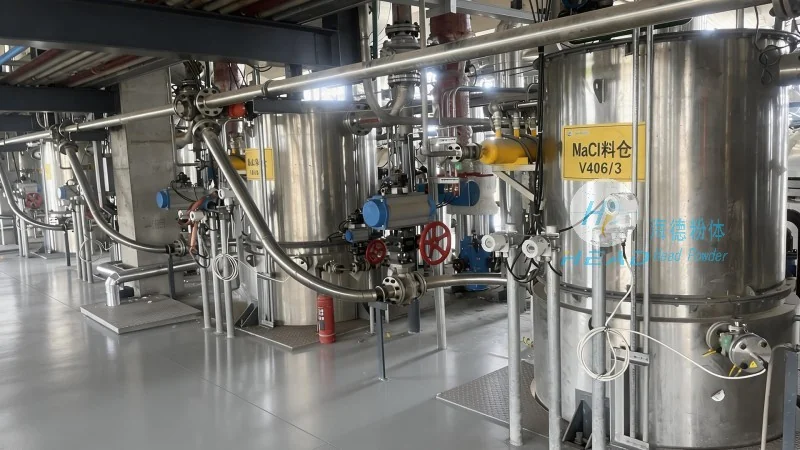
HeadPowder offers a range of pneumatic conveying solutions for wheat bran, including positive pressure and negative pressure systems, as well as hybrid systems that combine the benefits of both modes. The company's products are designed with high-quality materials and advanced technology to ensure durability and reliability in demanding environments. For example, the positive pressure systems from HeadPowder feature robust blower units and efficient pipeline designs that minimize energy consumption while maximizing material throughput. The negative pressure systems, on the other hand, incorporate advanced vacuum pumps and dust filtration systems to maintain a clean and safe working environment.
Implementing HeadPowder's pneumatic conveying systems for wheat bran processing offers several benefits. First, the systems improve operational efficiency by reducing downtime and maintenance costs. The advanced design minimizes material buildup and clogging, ensuring consistent flow rates and reducing the need for frequent system cleaning. Second, the systems enhance safety by controlling dust emissions, which is critical in food and pharmaceutical applications where hygiene is paramount. Third, the customized solutions from HeadPowder are cost-effective, as they are designed to meet the specific needs of each client, avoiding unnecessary expenses on components that are not required.
Pneumatic conveying is a highly effective method for handling wheat bran, and the choice between positive and negative pressure modes depends on the specific requirements of the application. Positive pressure systems are ideal for long-distance transport and high-volume applications, while negative pressure systems excel in applications requiring strict dust control and multiple collection points. Shandong HeadPowder Engineering Co., Ltd. provides expert solutions for wheat bran pneumatic conveying, offering customized systems that optimize efficiency, safety, and cost-effectiveness. By leveraging the company's experience and advanced technology, clients can enhance their wheat bran processing operations and achieve better results.

 Shandong Headpowder Engineering Co., Ltd.
 156-6277-7102(Manager Zhang)
  0531-83386006
  Zhangqiu District, Jinan City, Shandong Province, China
telephone
WeChatconsult
top