With more than 10‑year industry experience, Shandong Headpowder delivers full‑service pneumatic‑conveying systems and blowers, undertaking nationwide turn‑key powder‑handling projects.
White bean slice pneumatic conveying systems are critical components in the food processing and agricultural industries, designed to efficiently transport white bean slices from one location to another without the need for mechanical contact. These systems utilize air as the primary medium to move the product, offering advantages such as hygiene, reduced contamination risk, and the ability to handle delicate or sensitive materials like white bean slices. For businesses involved in the processing of white bean products, understanding the operation process and working principles of such systems is essential for optimizing production efficiency and maintaining product quality.
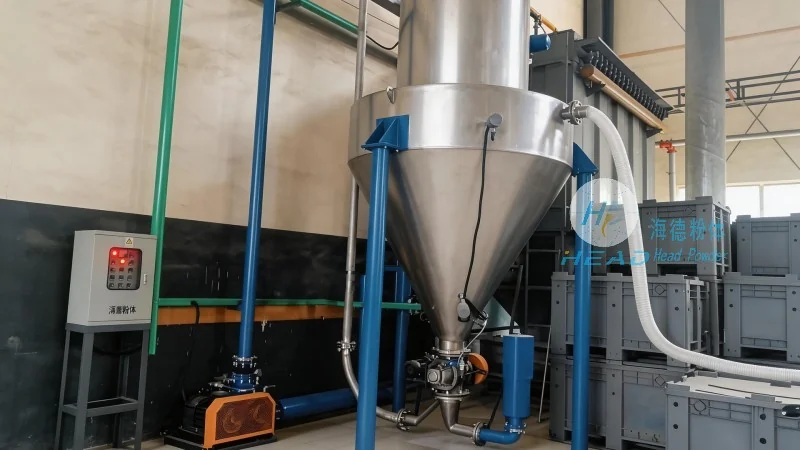
HeadPowder, formally known as Shandong HeadPowder Engineering Co., Ltd., is a leading manufacturer specializing in the design, development, and installation of pneumatic conveying systems for various industries. With a strong focus on innovation and customer-centric solutions, HeadPowder has established itself as a trusted partner for companies seeking reliable and efficient material handling solutions. The company's headquarters is located in Shandong, China, where it leverages advanced technology and expertise to deliver high-quality pneumatic conveying systems tailored to the specific needs of its clients.
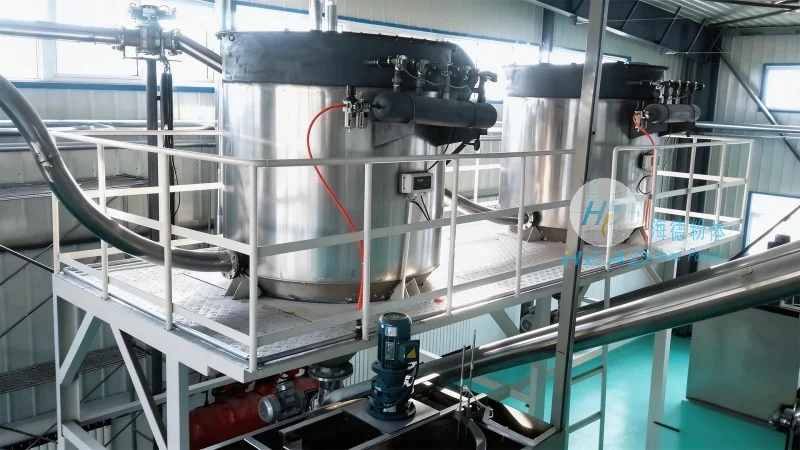
The white bean slice pneumatic conveying system consists of several key components that work in tandem to ensure smooth and efficient operation. These components typically include a hopper for material storage, a feeder to control the flow of white bean slices into the system, a conveying line (often equipped with air ducts and possibly a vacuum or pressure system), and a discharge point where the material is deposited. The system may also incorporate additional features such as filters to remove dust or debris, and control panels to monitor and adjust the conveying process. Each component plays a crucial role in the overall functionality of the system, ensuring that white bean slices are transported safely and effectively.
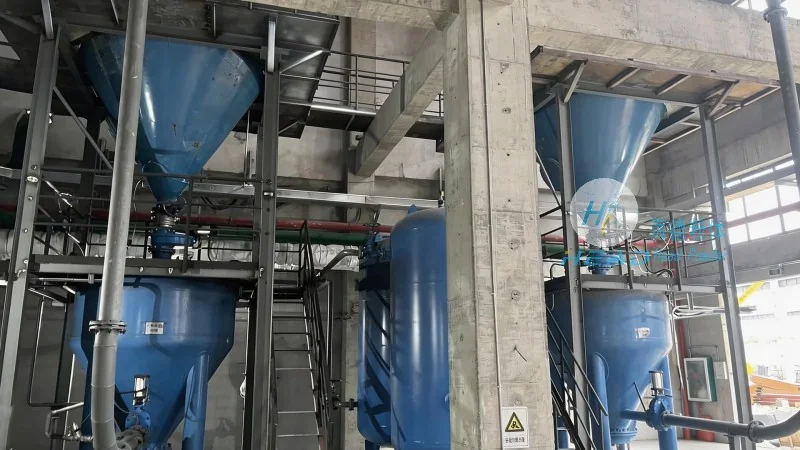
The operation process of a white bean slice pneumatic conveying system begins with the loading of white bean slices into the hopper. The hopper is designed to hold a sufficient quantity of material to maintain a consistent flow into the system, preventing interruptions caused by material depletion. Once the hopper is filled, the feeder activates, controlling the rate at which white bean slices are released into the conveying line. The feeder may use mechanisms such as rotary valves or screw conveyors to regulate the flow, ensuring that the material is introduced at an optimal speed. Simultaneously, the conveying system generates airflow—either by creating a vacuum (suction system) or applying pressure (blow system)—to move the white bean slices through the air ducts. The airflow carries the white bean slices along the conveying line, transporting them from the inlet to the discharge point. At the discharge point, the material is released into a collection container or processing unit, completing the conveying process. Throughout this operation, the system's control panel monitors parameters such as air pressure, flow rate, and material level, allowing for real-time adjustments to maintain optimal performance.
The working principle of a white bean slice pneumatic conveying system is based on the fundamental concept of transporting solid materials using air as the conveying medium. In a typical suction system, the conveying line is connected to a vacuum pump that creates a negative pressure within the system. As the vacuum pump operates, it draws air and white bean slices from the hopper into the conveying line. The air and material mixture travels through the ducts, with the white bean slices suspended in the air stream. The velocity of the air is carefully controlled to ensure that the white bean slices are carried along without excessive impact or damage. In a pressure system, the opposite occurs: a blower or compressor generates positive pressure, pushing air and white bean slices through the conveying line from the discharge point back to the hopper. Both systems rely on the principle of fluidization, where the air flow creates a fluid-like environment that allows the white bean slices to move freely. The efficiency of the system depends on factors such as the air velocity, the size and shape of the white bean slices, and the length of the conveying line. Proper design and maintenance of the system are crucial to ensure that the white bean slices are conveyed without breakage or contamination.
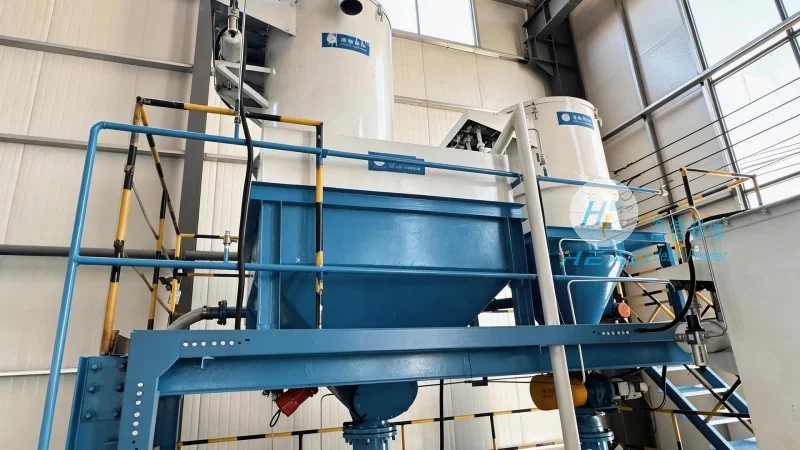
White bean slice pneumatic conveying systems offer several key features and benefits that make them an attractive choice for food processing applications. One of the primary advantages is the hygienic nature of the system, as it eliminates the need for mechanical contact between the white bean slices and equipment. This reduces the risk of contamination from bacteria, mold, or other pathogens, which is critical in food processing environments. Additionally, the system is highly efficient, capable of transporting large quantities of white bean slices over long distances with minimal energy consumption. The design of the system allows for easy cleaning and maintenance, with components that can be disassembled and sanitized to meet regulatory standards. Another benefit is the flexibility of the system, which can be adapted to handle different sizes and shapes of white bean slices, as well as other similar products. The system's ability to operate in a closed environment also helps to maintain product quality by preventing exposure to air, light, or moisture, which can affect the flavor and texture of white bean slices.

 Shandong Headpowder Engineering Co., Ltd.
 156-6277-7102(Manager Zhang)
  0531-83386006
  Zhangqiu District, Jinan City, Shandong Province, China
telephone
WeChatconsult
top