With more than 10‑year industry experience, Shandong Headpowder delivers full‑service pneumatic‑conveying systems and blowers, undertaking nationwide turn‑key powder‑handling projects.
Winery residue, such as grape pomace and distillate byproducts, presents unique material handling challenges due to its moisture content, bulk density, and tendency to clump. Traditional conveyor systems often struggle with these properties, leading to inefficiencies and equipment wear. Air-powered conveyors, or pneumatic conveyors, offer an effective solution by utilizing compressed air to transport these materials efficiently and hygienically. This article examines the principle of air-powered conveyors for winery residue materials and highlights their working scene characteristics.
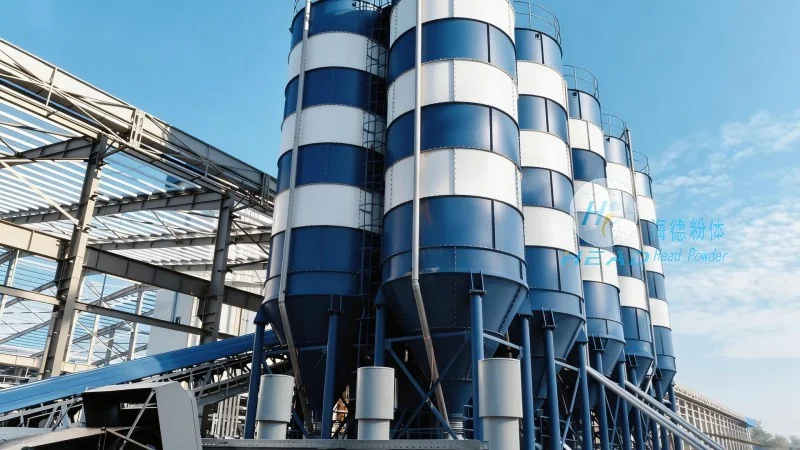
The fundamental principle of air-powered conveyors involves using compressed air to create a flow of material through a pipeline. The system typically includes a blower, a hopper for material loading, and a discharge point. The blower generates a high-velocity air stream that either pulls (suction) or pushes (blow) the material through the pipeline. For winery residue, which is often dry but with high moisture levels, the conveyor design must account for the material's characteristics to ensure smooth transport. The air velocity is carefully controlled to prevent material degradation or blockages. The principle operates by creating a negative pressure (suction) or positive pressure (blow) environment within the pipeline, depending on the application. This method allows for the transport of materials over long distances and through multiple points without mechanical components that directly contact the product.
The working scene characteristics of air-powered conveyors for winery residue materials are tailored to the specific needs of the winemaking process. These systems are commonly employed in the following scenarios:
1. From Pressing to Storage: After grape pressing, the pomace is transferred from the press to a storage silo or processing area. Air-powered conveyors efficiently move the wet and dense pomace over horizontal and vertical distances, minimizing material loss and contamination. The hygienic design of these systems is critical in food processing environments, as it prevents cross-contamination and maintains product quality.
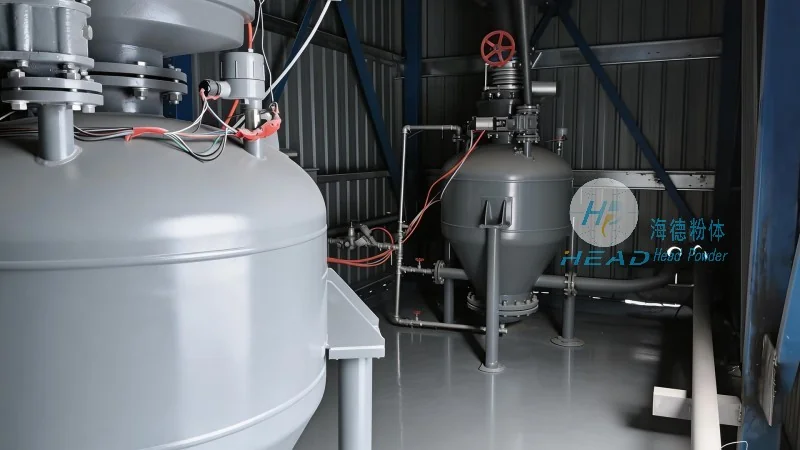
2. From Storage to Distillation: In distilleries, winery residue is often used as a raw material for producing spirits or biofuels. The air-powered conveyor transports the residue from storage silos to the distillation units. The system's adaptability to varying material compositions, including different moisture levels and particle sizes, makes it suitable for different production stages.
3. From Distillation to Byproduct Processing: After distillation, the residue may be processed further for animal feed or composting. The air-powered conveyor facilitates movement from the distillation area to processing facilities. The system's flexibility in handling different material types ensures consistent and reliable transport, reducing downtime and operational costs.
Shandong HeadPowder Engineering Co., Ltd., a leading manufacturer based in Shandong, China, specializes in designing and manufacturing air-powered conveyors tailored for winery residue materials. The company's products are engineered with the following key features:
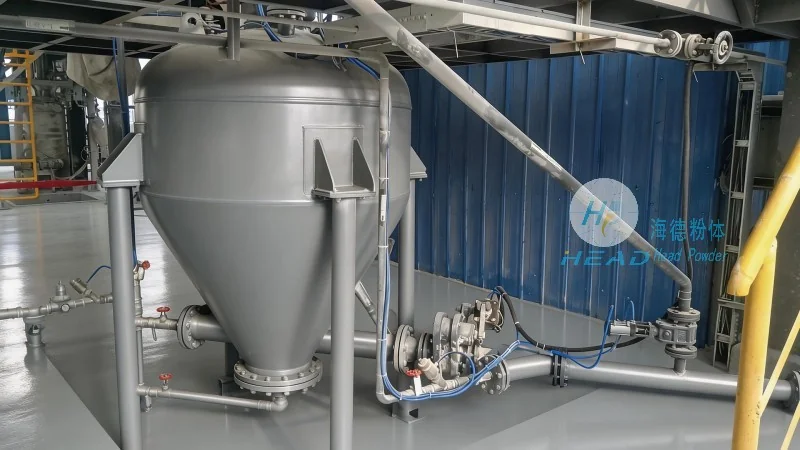
• Hygienic Design: All components are constructed from food-grade materials, ensuring compliance with sanitary standards in the food and beverage industry. The smooth surfaces and lack of moving parts reduce the risk of bacterial growth and contamination.
• Efficient Material Handling: The system handles high volumes of material with minimal energy consumption, making it cost-effective for wineries. Adjustable air velocity and pressure settings allow for optimization based on the specific characteristics of the winery residue.
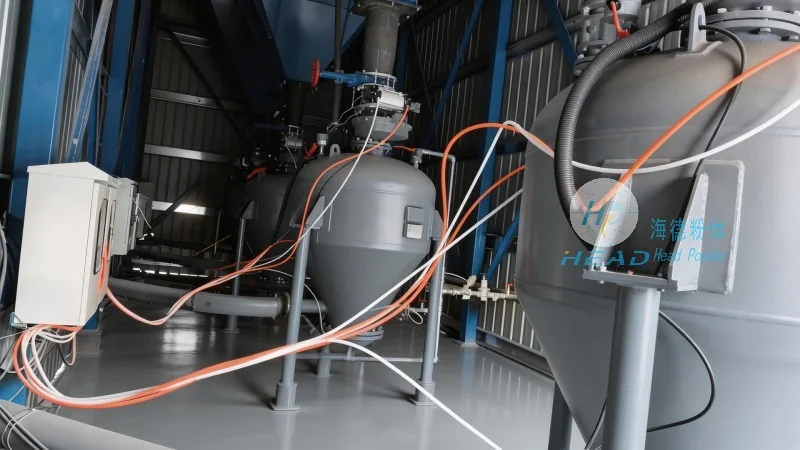
• Low Maintenance: Unlike traditional mechanical conveyors, air-powered systems have fewer moving parts, reducing the need for frequent maintenance and extending equipment lifespan.
• Versatility: The conveyors can be configured for both suction and blow modes, enabling transport over long distances and through complex layouts, including vertical lifts and horizontal runs.
Air-powered conveyors for winery residue materials represent an advanced solution for efficient and hygienic material handling in the winemaking industry. By understanding the principle of pneumatic transport and leveraging the working scene characteristics, wineries can improve operational efficiency, reduce costs, and maintain product quality. Shandong HeadPowder Engineering Co., Ltd. continues to innovate in this field, providing reliable and customized solutions that meet the unique demands of winery operations.

 Shandong Headpowder Engineering Co., Ltd.
 156-6277-7102(Manager Zhang)
  0531-83386006
  Zhangqiu District, Jinan City, Shandong Province, China
telephone
WeChatconsult
top