With more than 10‑year industry experience, Shandong Headpowder delivers full‑service pneumatic‑conveying systems and blowers, undertaking nationwide turn‑key powder‑handling projects.
HeadPowder Engineering, a leading provider in the field, specializes in the design and manufacturing of advanced pneumatic conveying systems tailored for handling lithium cobalt oxide (LCO) materials. These systems are engineered to meet the stringent requirements of modern industrial applications, ensuring efficient, safe, and reliable material transport. This article delves into the fundamental principles behind such equipment and highlights the key working scene characteristics that define their operational effectiveness.
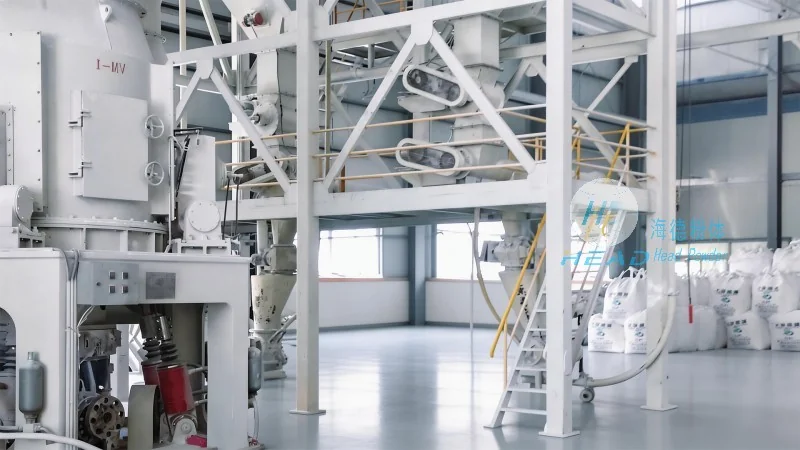
The core principle of pneumatic conveying systems involves the use of a fluid (typically air or gas) to transport solid particles through a pipeline. In the context of lithium cobalt oxide, the equipment operates by creating a pressure differential or using vacuum to move the material from a source to a destination. This method eliminates the need for mechanical components like belts or buckets, reducing maintenance and enhancing operational safety. The system typically consists of a hopper for material storage, a conveyor line, and a control unit that regulates the air flow and pressure to maintain optimal material transport. The design ensures that the material is conveyed in a controlled manner, minimizing dust generation and preventing product contamination—a critical aspect for high-value materials like LCO.
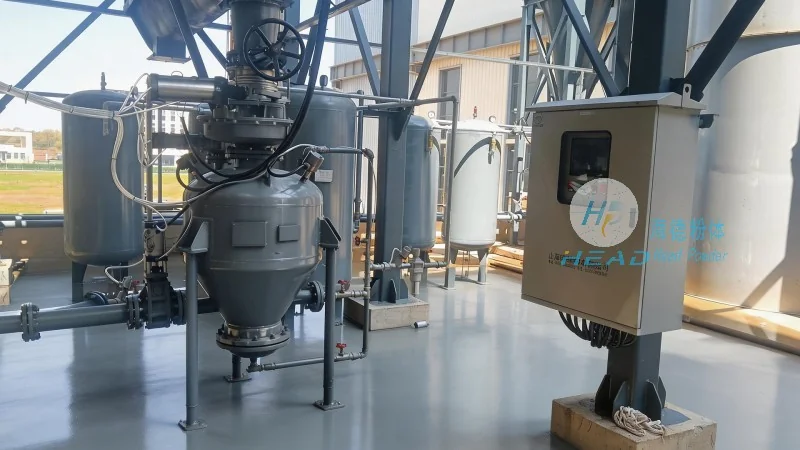
Several distinct characteristics define the working scenes where lithium cobalt oxide pneumatic conveying equipment is deployed. First, the equipment is often used in high-purity environments, such as battery manufacturing facilities, where maintaining material integrity is paramount. The sealed system design prevents cross-contamination and ensures that the material remains free from external particles, which is essential for producing high-quality batteries. Second, the systems are designed for scalability, allowing them to handle varying material volumes and production rates. This adaptability makes them suitable for both small-scale laboratory operations and large-scale industrial production lines. Third, the equipment operates with minimal human intervention, leveraging automated controls to adjust air flow and pressure based on real-time conditions. This automation enhances efficiency and reduces the risk of operational errors, which is crucial in fast-paced manufacturing environments. Additionally, the systems are built to withstand the corrosive and abrasive nature of lithium cobalt oxide, using materials like stainless steel and specialized coatings to extend their service life and maintain performance.
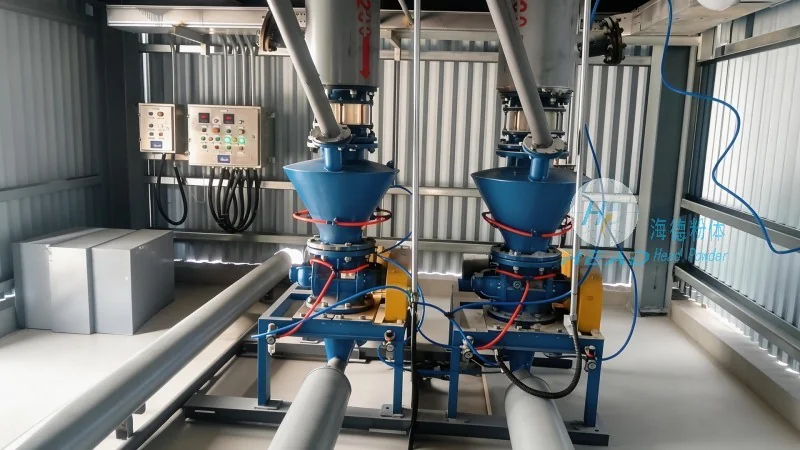
Lithium cobalt oxide material pneumatic conveying equipment is widely utilized in the battery industry, where it plays a vital role in the supply chain from raw material handling to final product assembly. The equipment’s ability to transport LCO efficiently and safely contributes to the overall productivity of battery manufacturing plants. By reducing the time and labor required for material transport, these systems help minimize downtime and improve production throughput. Furthermore, the equipment’s design allows for easy integration with other production processes, such as mixing and packaging, creating a seamless workflow. The operational efficiency of the system is also enhanced by its energy-saving features, which reduce the overall power consumption compared to traditional mechanical conveying methods. This not only lowers operational costs but also aligns with the industry’s sustainability goals.
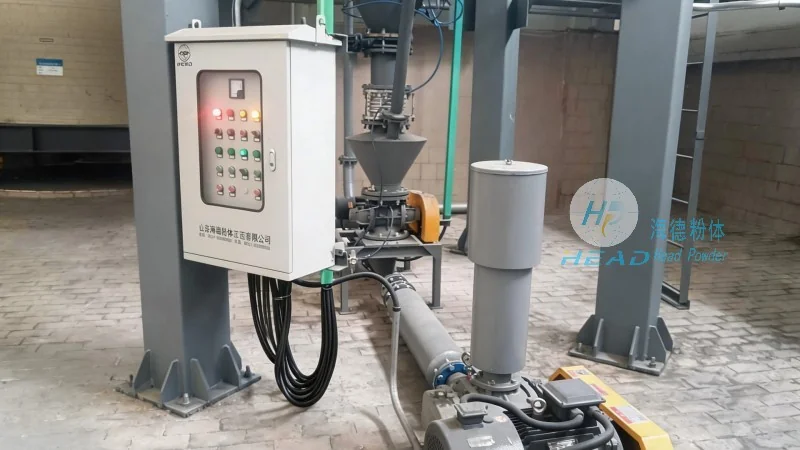
In conclusion, lithium cobalt oxide material pneumatic conveying equipment, as offered by Shandong HeadPowder Engineering Co., Ltd., represents a sophisticated solution for the efficient and safe handling of high-value materials. The equipment’s design, based on fundamental pneumatic principles, ensures reliable performance in various working scenes, from laboratory-scale testing to large-scale industrial production. By adhering to stringent quality standards and leveraging advanced engineering, HeadPowder Engineering provides systems that meet the evolving needs of the battery industry. The combination of efficiency, safety, and scalability makes these pneumatic conveying systems an indispensable component in modern lithium cobalt oxide processing and battery manufacturing operations.

 Shandong Headpowder Engineering Co., Ltd.
 156-6277-7102(Manager Zhang)
  0531-83386006
  Zhangqiu District, Jinan City, Shandong Province, China
telephone
WeChatconsult
top