With more than 10‑year industry experience, Shandong Headpowder delivers full‑service pneumatic‑conveying systems and blowers, undertaking nationwide turn‑key powder‑handling projects.
Intermittent bulk material pneumatic conveying lines are a specialized type of pneumatic conveying system designed for the efficient and reliable transport of bulk materials. These systems are particularly useful in industrial settings where materials need to be moved between different locations or processing stages. The core principle behind these lines involves the use of compressed air or other gas to create a flow that propels the material through a pipeline. This method offers several advantages over traditional mechanical conveying systems, including reduced maintenance requirements, lower energy consumption, and the ability to handle a wide range of materials, from powders to granules.
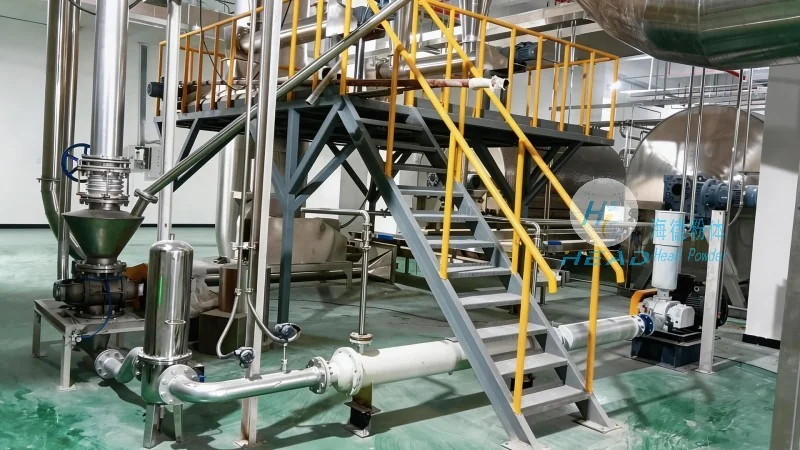
The operation of an intermittent bulk material pneumatic conveying line is based on the principle of creating a pressure differential within the conveying line. A compressor or blower generates high-pressure air, which is then introduced into the pipeline at the inlet point. The material is typically introduced into the line in discrete batches, often using a hopper or feeder that can be controlled to release material at specific intervals. As the compressed air flows through the pipeline, it entrains the material particles, forming a slurry-like mixture known as a "conveying stream." This stream moves the material from the inlet to the outlet, where it is discharged into a receiving hopper or storage tank. The key to the intermittent nature of these systems lies in the controlled release of material and the subsequent pressure pulses that ensure efficient transport without excessive wear on the system components.
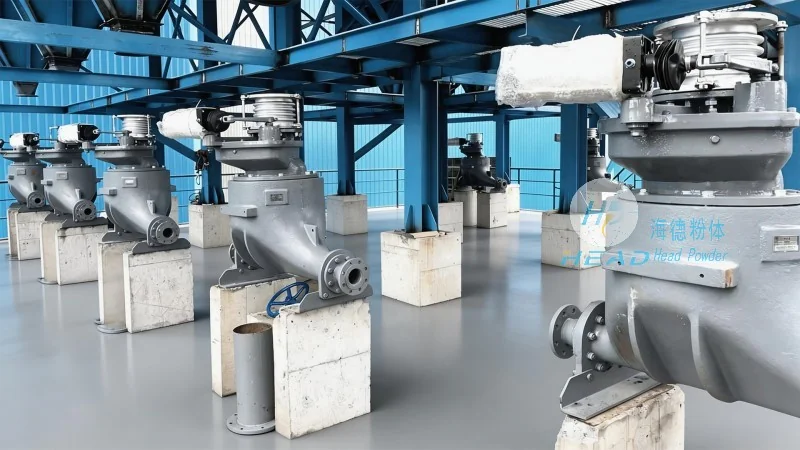
Several critical components make up an intermittent bulk material pneumatic conveying line. The primary components include a compressor or blower, a hopper or feeder for material storage and controlled release, a pipeline system (often made of metal or plastic), a control valve to regulate air flow and material discharge, and a receiver or discharge hopper. The compressor provides the necessary pressure to move the material, while the hopper ensures that material is fed into the line in a controlled manner, preventing clogging and ensuring consistent flow. The pipeline must be designed to withstand the pressure and material abrasion, with appropriate fittings and valves to direct the flow and control the conveying process. The control valve is crucial for managing the pressure pulses and ensuring that material is conveyed in discrete batches, which is essential for maintaining system efficiency and preventing material degradation.
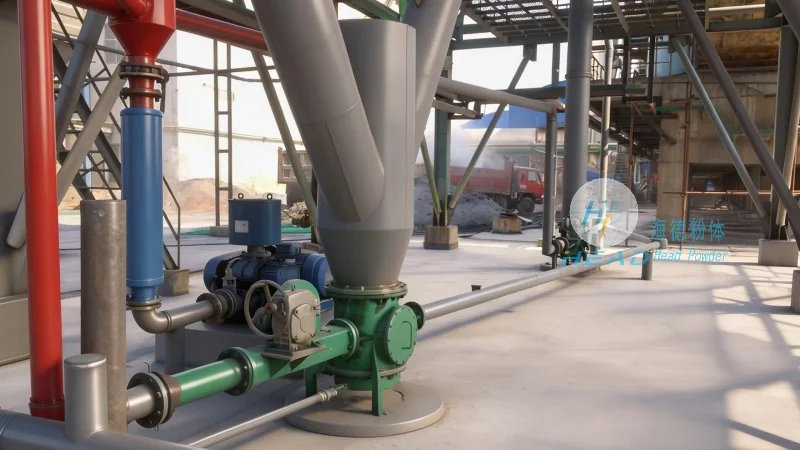
Intermittent bulk material pneumatic conveying lines are widely used in various industrial applications due to their adaptability and efficiency. Common working scene characteristics include the need for material transport over short to medium distances, often within a manufacturing facility or between different processing units. These systems are particularly suitable for materials that are sensitive to moisture or contamination, as the enclosed pipeline prevents exposure to the environment. Industries that commonly utilize these systems include food processing, pharmaceuticals, chemicals, and mining. For example, in a food processing plant, intermittent pneumatic conveying can be used to transport flour or sugar from storage silos to production lines, ensuring that the materials remain clean and free from contamination. In the pharmaceutical industry, such systems are used to convey active pharmaceutical ingredients (APIs) or other powders, where maintaining a sterile and controlled environment is paramount. The ability to handle fine powders and granules without segregation or agglomeration makes these lines ideal for applications where material quality is critical.
Compared to other conveying methods, intermittent bulk material pneumatic conveying lines offer several advantages. One of the most significant benefits is the reduced risk of material contamination, as the system is fully enclosed and does not come into direct contact with the environment. This is particularly important for industries dealing with food, pharmaceuticals, or other sensitive materials. Another advantage is the ability to handle a wide range of materials, including those that are abrasive, corrosive, or have high moisture content. The system's flexibility allows for easy integration into existing production lines, with minimal disruption to operations. Additionally, intermittent pneumatic conveying systems typically require less maintenance than mechanical systems, as there are fewer moving parts and less wear and tear on components. The energy efficiency of these systems is also a key advantage, as they can operate with lower air pressure and flow rates compared to continuous systems, resulting in lower operational costs.
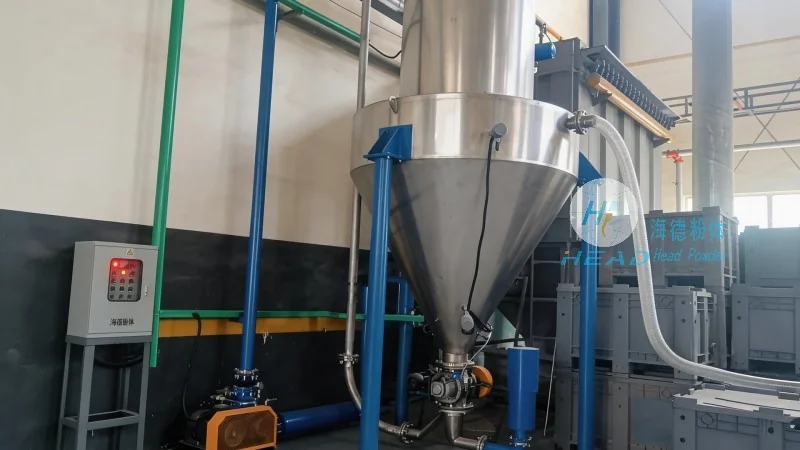
Shandong HeadPowder Engineering Co., Ltd., commonly known as headpowder, is a leading manufacturer and supplier of pneumatic conveying systems and related equipment. With its headquarters located in Shandong, China, the company specializes in designing, manufacturing, and installing high-quality intermittent bulk material pneumatic conveying lines tailored to the specific needs of various industries. HeadPowder's team of engineers and technicians has extensive experience in the field, ensuring that each system is designed to meet the highest standards of efficiency, reliability, and safety. The company's commitment to quality and customer satisfaction has made it a trusted partner for businesses seeking reliable material handling solutions. HeadPowder's products are known for their durability, ease of maintenance, and ability to handle a wide range of materials, making them a preferred choice for industries that demand consistent and efficient material transport.

 Shandong Headpowder Engineering Co., Ltd.
 156-6277-7102(Manager Zhang)
  0531-83386006
  Zhangqiu District, Jinan City, Shandong Province, China
telephone
WeChatconsult
top