With more than 10‑year industry experience, Shandong Headpowder delivers full‑service pneumatic‑conveying systems and blowers, undertaking nationwide turn‑key powder‑handling projects.
For bulk material handling in maritime operations, efficient and reliable systems are crucial. This article explores the principles and operational characteristics of pneumatic conveying systems designed for loading and unloading operations at ports. The focus is on the technical aspects and practical applications of such systems, highlighting their role in modern logistics and material transport.
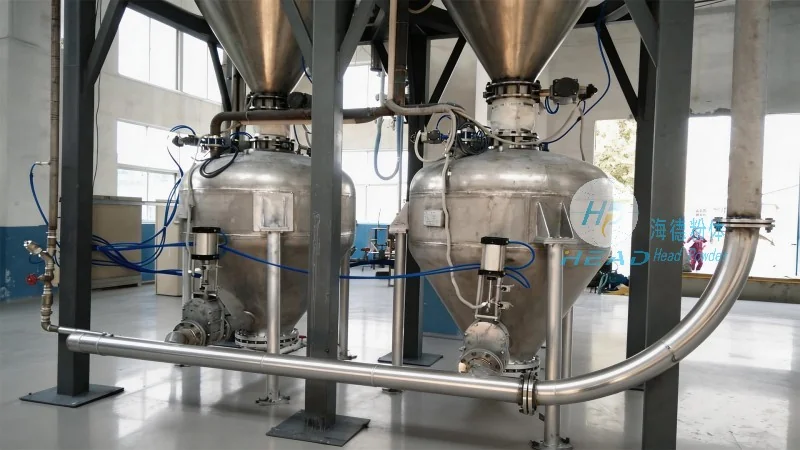
HeadPowder, a leading engineering firm based in Shandong, China, specializes in the design, manufacturing, and installation of advanced material handling solutions. With a strong commitment to innovation and quality, HeadPowder has established itself as a trusted partner in the industry, delivering customized systems that meet the unique demands of various sectors, including maritime logistics.
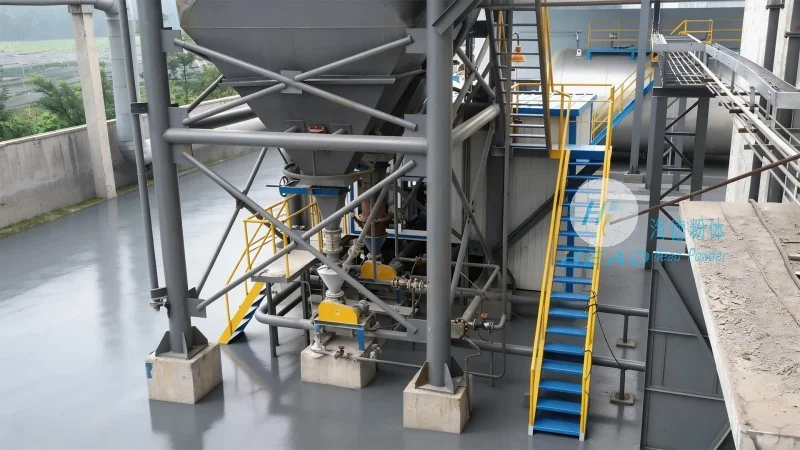
Pneumatic conveying systems for ship loading and unloading operate on the principle of using air or gas to transport bulk materials through a pipeline network. The system typically consists of a blower or compressor, a hopper for material storage, and a series of pipes that facilitate the movement of materials from the ship to the storage area or vice versa. The core mechanism involves creating a pressure differential that propels the material through the system, ensuring a continuous and controlled flow. Key components include the airlock, which prevents backflow and maintains system pressure, and the cyclone separator, which separates the material from the air stream for collection. The design of these systems is tailored to handle a wide range of materials, from fine powders to bulk solids, with varying moisture content and particle sizes.
The operational characteristics of pneumatic conveying systems for ship loading and unloading are defined by their adaptability to diverse work environments and material types. In port operations, these systems are designed to handle high volumes of material with minimal human intervention, enhancing operational efficiency. The systems are capable of operating under varying conditions, such as different ambient temperatures and humidity levels, ensuring consistent performance. A key operational characteristic is the ability to handle both loading and unloading processes simultaneously, optimizing the turnaround time of vessels. This dual functionality is achieved through the integration of multiple pipelines and control mechanisms that can switch between loading and unloading modes based on operational needs. Additionally, the systems are equipped with safety features, including pressure relief valves and emergency shut-off mechanisms, to ensure safe operation and prevent accidents.
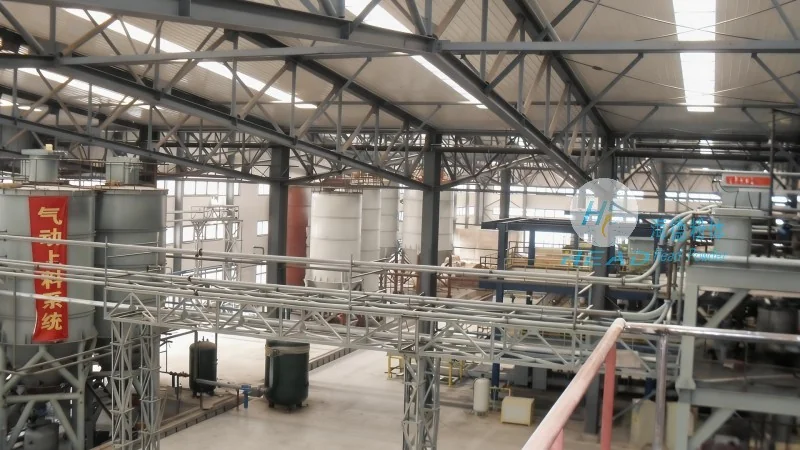
The adoption of pneumatic conveying systems for ship loading and unloading offers several advantages in practical applications. Firstly, these systems provide a dust-free and hygienic method of material transport, which is particularly important for handling food-grade or sensitive materials. The enclosed pipeline system minimizes material exposure to the environment, reducing contamination risks. Secondly, the systems offer high throughput rates, enabling rapid transfer of large quantities of bulk materials, thus improving overall port productivity. Thirdly, the flexibility of pneumatic conveying allows for easy integration with existing infrastructure, reducing the need for extensive modifications to port facilities. Furthermore, the systems are energy-efficient compared to traditional methods like belt conveyors or trucks, contributing to lower operational costs and reduced environmental impact. These advantages make pneumatic conveying systems a preferred choice for modern maritime operations, where efficiency, safety, and sustainability are paramount.

 Shandong Headpowder Engineering Co., Ltd.
 156-6277-7102(Manager Zhang)
  0531-83386006
  Zhangqiu District, Jinan City, Shandong Province, China
telephone
WeChatconsult
top