With more than 10‑year industry experience, Shandong Headpowder delivers full‑service pneumatic‑conveying systems and blowers, undertaking nationwide turn‑key powder‑handling projects.
For companies dealing with colored sand, efficient and reliable bulk material handling is crucial. Pneumatic conveying systems offer a solution that enhances operational efficiency while ensuring product integrity. This article explores the application of pneumatic conveying in the bulk transport of colored sand, highlighting the benefits and technical considerations for such operations.
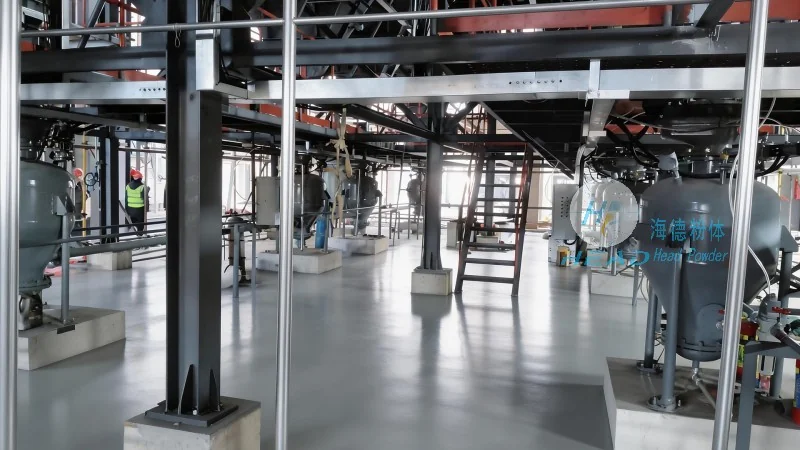
Pneumatic conveying is a method of transporting bulk materials through a pipeline using air or other gases. Unlike traditional mechanical systems like belt conveyors or screw conveyors, pneumatic systems use pressure differentials to move materials. This technology is particularly suitable for colored sand due to its fine particle size and the need to maintain product quality during transport.
One of the primary benefits of using pneumatic conveying for colored sand is the ability to maintain the color and texture of the material. Unlike mechanical systems that may cause abrasion or mixing of colors, pneumatic systems operate with minimal contact, preserving the product's characteristics. Additionally, these systems are highly flexible, allowing for changes in the transport route without major infrastructure modifications. This adaptability is essential for dynamic production environments where material flow requirements may change frequently.
Another significant advantage is the environmental friendliness of pneumatic conveying. Unlike dust-laden systems that require extensive filtration and ventilation, modern pneumatic systems use sealed pipelines that minimize dust emissions. This not only improves workplace safety but also reduces the risk of color contamination from external sources. The reduced need for cleaning and maintenance further contributes to operational cost savings over time.
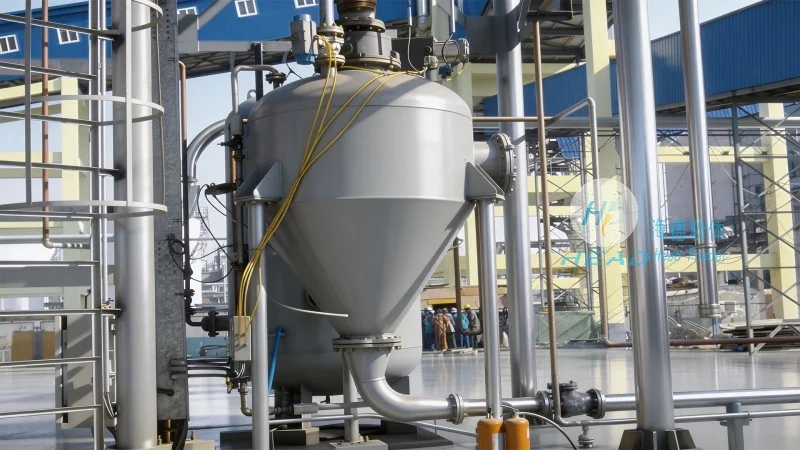
When implementing a pneumatic conveying system for colored sand, several technical factors must be considered to ensure optimal performance. Particle size and density are critical parameters that affect the system's design. Colored sand typically has a particle size ranging from 0.1 to 2 millimeters, with a density around 2.5 g/cm³. These characteristics influence the air velocity required to transport the material without causing excessive wear on the pipeline or components.
System pressure is another key consideration. Positive pressure systems are commonly used for colored sand transport as they offer better control over material flow and reduce the risk of backflow. The pressure levels typically range from 0.5 to 2 bar, depending on the distance and elevation changes in the transport route. Proper selection of air compressors and pipeline diameter is essential to maintain the required air velocity and prevent material settling or blockages.
Material handling equipment, such as feeders and receivers, also plays a vital role in the efficiency of pneumatic conveying systems. For colored sand, rotary feeders are often preferred due to their ability to handle fine particles without clogging. These feeders regulate the flow rate, ensuring consistent material input into the conveying line. At the receiving end, silos or storage tanks are used to collect the material, with level sensors and discharge valves to manage the output. Proper design of these components is crucial to prevent material buildup and maintain system efficiency.
Shandong HeadPowder Engineering Co., Ltd., a leading provider of bulk material handling solutions, has successfully implemented pneumatic conveying systems for colored sand applications across China. Based in Shandong, China, the company specializes in designing and manufacturing customized pneumatic conveying systems tailored to the specific needs of its clients. Their expertise lies in integrating advanced technology with practical engineering solutions to address the unique challenges of colored sand transport.
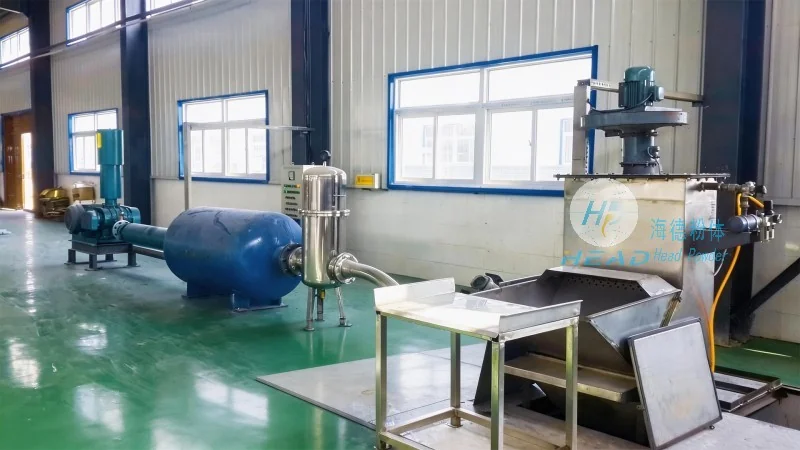
In one project, the company installed a positive pressure pneumatic conveying system for a colored sand manufacturer. The system was designed to transport sand from a production facility to a storage silo over a distance of 500 meters with a 20-meter elevation change. The system utilized a 100 mm diameter pipeline and a 15 hp air compressor, achieving an air velocity of 20 m/s to ensure smooth material flow. The implementation resulted in a 30% reduction in handling time compared to traditional mechanical systems, while maintaining the color consistency of the sand.
Another successful application involved a system for a colored sand supplier that required flexible routing to accommodate changes in production schedules. The system incorporated a series of branch lines and valves that allowed for dynamic adjustments to the transport route. This flexibility enabled the client to optimize material flow and reduce downtime during production shifts. The system also included advanced monitoring and control features, providing real-time data on pressure, flow rate, and material level, which helped in proactive maintenance and system optimization.
Pneumatic conveying systems offer a highly effective solution for the bulk transport of colored sand, combining efficiency, flexibility, and environmental benefits. As the demand for colored sand in construction and decorative applications grows, the adoption of advanced material handling technologies will become increasingly important. Companies like Shandong HeadPowder Engineering Co., Ltd. play a crucial role in providing tailored solutions that meet the evolving needs of the industry. By leveraging the advantages of pneumatic conveying, manufacturers can enhance their operational performance, reduce costs, and maintain the quality of their products, ensuring long-term success in a competitive market.

 Shandong Headpowder Engineering Co., Ltd.
 156-6277-7102(Manager Zhang)
  0531-83386006
  Zhangqiu District, Jinan City, Shandong Province, China
telephone
WeChatconsult
top