With more than 10‑year industry experience, Shandong Headpowder delivers full‑service pneumatic‑conveying systems and blowers, undertaking nationwide turn‑key powder‑handling projects.
Bulk bag material pneumatic conveying is a widely used industrial technology for transporting bulk materials from one location to another. This method utilizes air as the conveying medium to move powders, granules, and other bulk solids efficiently and safely. The process involves loading the material into a bulk bag, connecting the bag to a conveying system, and then using air pressure or vacuum to transport the material through a pipeline to the destination. Understanding the principle and working scene characteristics of this technology is crucial for selecting the right system for specific industrial applications.
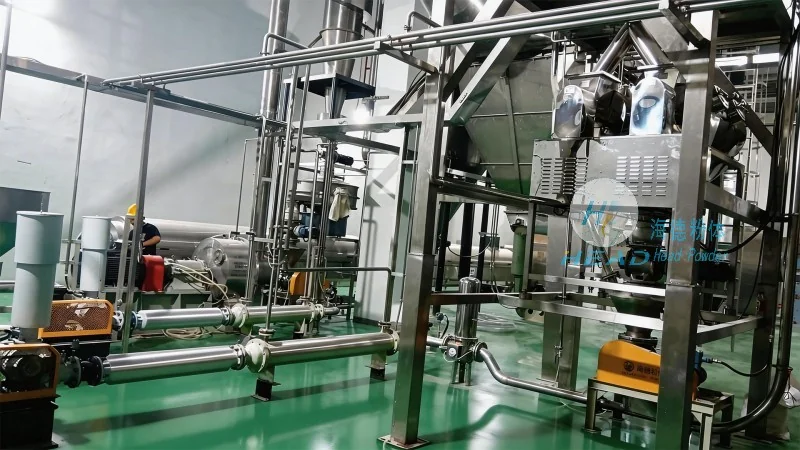
The core principle of bulk bag pneumatic conveying is based on the movement of material particles within a gas stream. When air is introduced into the bulk bag, it creates a low-pressure zone that draws the material out of the bag and into the conveying line. The material is then carried through the pipeline by the air flow, which can be either positive pressure (where air is forced into the system) or negative pressure (where air is drawn out, creating a vacuum). The design of the conveying system, including the type of airlock, the size of the pipeline, and the velocity of the air, all play critical roles in ensuring efficient and reliable material transport. The system typically includes components such as a bulk bag discharger, a conveying line, an airlock, and a receiver where the material is deposited. Each component must be properly sized and configured to handle the specific characteristics of the material being conveyed, such as its density, flowability, and moisture content.
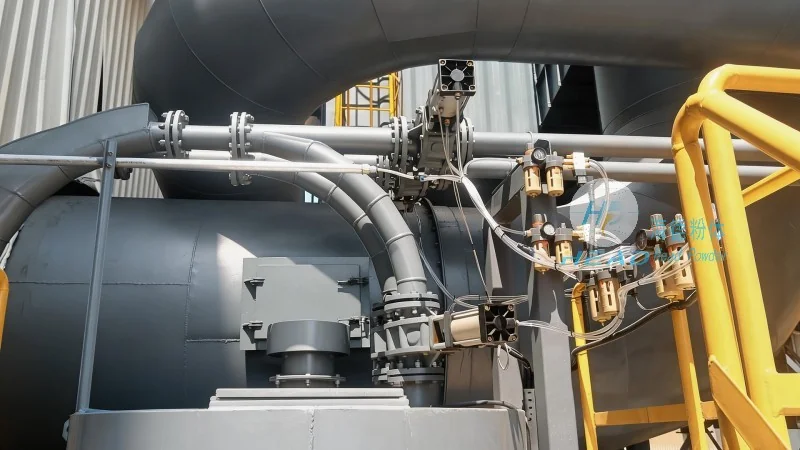
The working scene characteristics of bulk bag pneumatic conveying vary depending on the specific industrial environment and the type of material being handled. In manufacturing facilities, this technology is often used to transport raw materials from storage areas to production lines, ensuring a continuous and uninterrupted supply of materials. In construction sites, bulk bag conveyors are used to move sand, cement, and other building materials to different parts of the site, improving operational efficiency and reducing labor costs. In chemical and pharmaceutical industries, the system is employed to transport powders that require strict contamination control, as the enclosed nature of the conveying process minimizes exposure to the environment. The flexibility of bulk bag pneumatic conveying also makes it suitable for applications where the material source or destination may change frequently, such as in batch processing or temporary storage operations. Additionally, the system can be integrated with other equipment, such as mixers or classifiers, to form a complete material handling solution that meets the specific needs of the user.
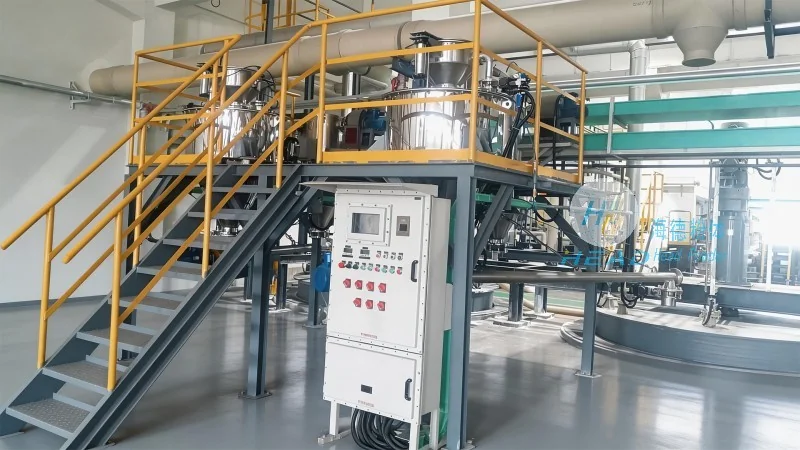
There are several key advantages that make bulk bag pneumatic conveying an attractive option for many industries. One of the primary benefits is its ability to handle a wide range of materials, from fine powders to coarse granules, without the need for additional processing steps. The enclosed system also helps to prevent dust and other contaminants from entering the environment, improving workplace safety and compliance with environmental regulations. Another advantage is the speed and efficiency of the conveying process, which can significantly reduce the time required to move large quantities of material compared to traditional methods like manual handling or forklift transport. The system also offers flexibility in terms of layout, as the conveying line can be easily reconfigured to accommodate changes in the production process or facility layout. Furthermore, the use of bulk bags as the primary container reduces the need for additional packaging and handling steps, as the material can be discharged directly from the bag into the conveying system. This not only saves time and labor but also reduces the risk of material spillage or contamination.
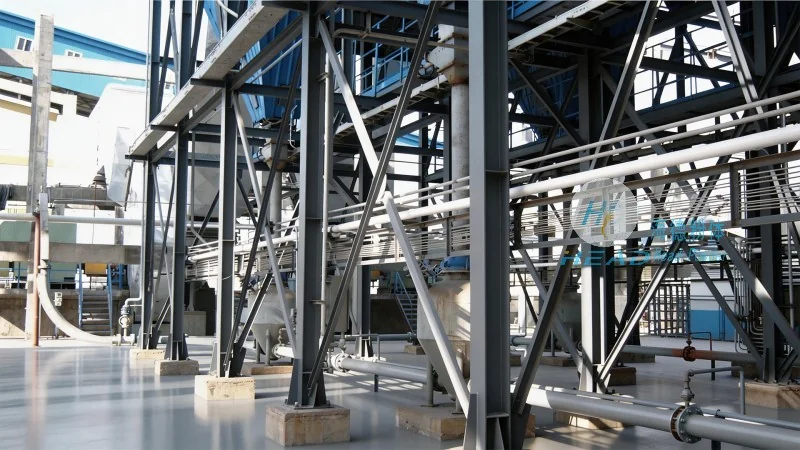
Bulk bag pneumatic conveying is used in a variety of industries, each with its own specific requirements. In the food and beverage industry, the system is employed to transport ingredients such as flour, sugar, and spices, where hygiene and contamination control are critical. The enclosed nature of the conveying process helps to maintain the quality and safety of the materials. In the mining and minerals industry, bulk bag conveyors are used to transport raw ores and other bulk materials from storage silos to processing equipment. The high capacity and efficiency of the system make it ideal for handling large volumes of material in these applications. In the agricultural sector, the technology is used to transport grain and other agricultural products from storage bins to processing facilities, ensuring a consistent supply of raw materials. The system's ability to handle different types of materials and its flexibility in layout make it a versatile solution for agricultural operations. In the chemical industry, bulk bag pneumatic conveying is used to transport various chemicals, including powders and granules, where the system's ability to maintain a controlled environment is essential. The system's design allows for easy integration with other equipment, such as reactors and mixers, to form a complete processing solution.

 Shandong Headpowder Engineering Co., Ltd.
 156-6277-7102(Manager Zhang)
  0531-83386006
  Zhangqiu District, Jinan City, Shandong Province, China
telephone
WeChatconsult
top