With more than 10‑year industry experience, Shandong Headpowder delivers full‑service pneumatic‑conveying systems and blowers, undertaking nationwide turn‑key powder‑handling projects.
HeadPowder, a leading provider of material handling solutions, specializes in pneumatic conveying systems designed for efficient and precise material transport. This article explores the fundamental principles behind small-bag, quantitative weighed material pneumatic conveying and highlights the key working scenario characteristics that define its application in various industrial settings.
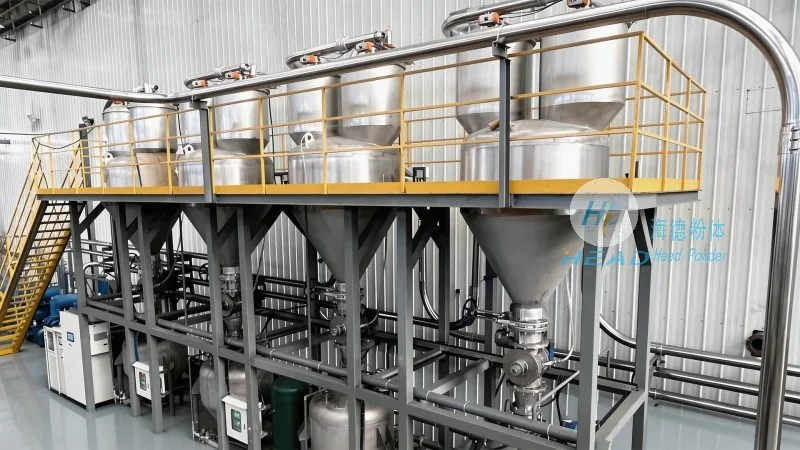
Pneumatic conveying is a critical technology in modern material handling, enabling the transport of bulk materials through a pressurized or vacuum system. For small-bag, weighed materials, this technology is optimized to handle precise quantities of material, often used in industries such as pharmaceuticals, food processing, and chemical manufacturing where accuracy and hygiene are paramount. The system typically involves a hopper, a feeder, and a conveying line, with the small bags being weighed and then conveyed to the destination. HeadPowder's expertise lies in designing systems that ensure minimal product loss, consistent flow rates, and compliance with industry standards.
The principle of pneumatic conveying for small-bag, quantitative materials revolves around the use of air as the conveying medium. The system operates by creating a pressure differential between the source and destination points. In a typical setup, material is first loaded into a hopper, where it is then fed into a conveyor via a weigh feeder. The weigh feeder ensures that the exact amount of material is dispensed into the conveying line. The air, often under pressure, moves the material through the pipeline, transporting it to the receiving hopper or storage area. The key to this process is maintaining a consistent air flow and pressure, which directly impacts the material's velocity and the overall efficiency of the system. HeadPowder engineers carefully calculate the air velocity and pressure requirements based on the material's properties, such as particle size, density, and flowability, to ensure optimal performance.
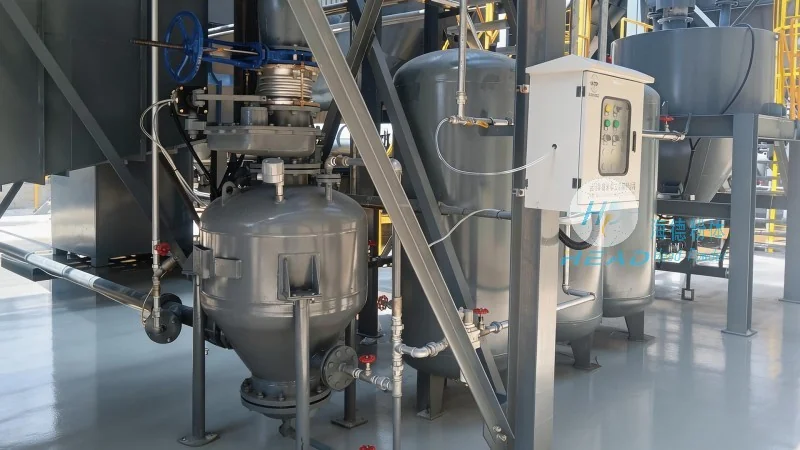
The working scenario characteristics of small-bag, quantitative material pneumatic conveying systems are tailored to meet the specific demands of different industrial applications. These systems are commonly used in environments where material handling needs to be precise, hygienic, and automated. For instance, in pharmaceutical manufacturing, the system ensures that each batch of material is weighed accurately and conveyed without contamination. In food processing, the design adheres to sanitary standards, with components that are easy to clean and maintain. The flexibility of these systems allows them to be integrated into existing production lines, enhancing overall operational efficiency. HeadPowder's systems are designed to be scalable, allowing them to accommodate varying production volumes and material types. This adaptability makes them suitable for both small-scale and large-scale operations.
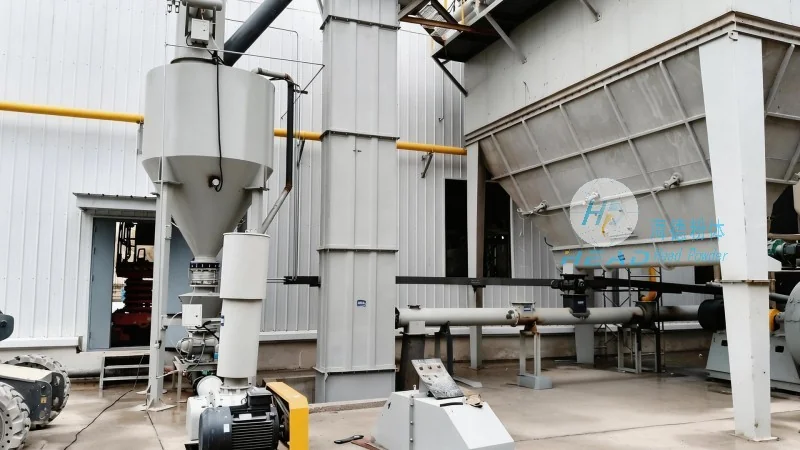
HeadPowder's pneumatic conveying systems for small-bag, quantitative materials offer several key features that enhance performance and reliability. The use of high-quality materials and components ensures durability and long service life. The integration of advanced control systems allows for real-time monitoring and adjustment of the conveying process, optimizing efficiency and reducing waste. The systems are also designed for easy maintenance, with accessible components that can be serviced quickly. Additionally, the compact design of the equipment makes it suitable for installations with limited space. The benefits of these systems include improved product quality through precise weighing, reduced labor costs due to automation, and enhanced safety by minimizing manual handling of materials. HeadPowder's commitment to innovation and customer satisfaction ensures that their solutions meet the evolving needs of the industry.
In conclusion, the principle and working scenario characteristics of small-bag, quantitative material pneumatic conveying are essential for efficient material handling in various industries. HeadPowder's expertise in designing and implementing these systems provides businesses with reliable, accurate, and cost-effective solutions. By understanding the core principles and application characteristics, industries can leverage pneumatic conveying to improve their operational efficiency and product quality. As demand for precise material handling continues to grow, HeadPowder remains at the forefront of providing advanced solutions that meet the challenges of modern manufacturing.

 Shandong Headpowder Engineering Co., Ltd.
 156-6277-7102(Manager Zhang)
  0531-83386006
  Zhangqiu District, Jinan City, Shandong Province, China
telephone
WeChatconsult
top