With more than 10‑year industry experience, Shandong Headpowder delivers full‑service pneumatic‑conveying systems and blowers, undertaking nationwide turn‑key powder‑handling projects.
For industries that handle bulk materials, the transition from manual to fully automated processing has significantly enhanced operational efficiency and product quality. A key component in this automation is the fully automatic bulk material unpacking and pneumatic conveying system, which integrates advanced technology to streamline material handling from unloading to final processing. This article explores the underlying principles of such systems and highlights their distinct characteristics across various industrial applications, developed by Shandong HeadPowder Engineering Co., Ltd. (headpowder), a leading provider of material handling solutions in China.
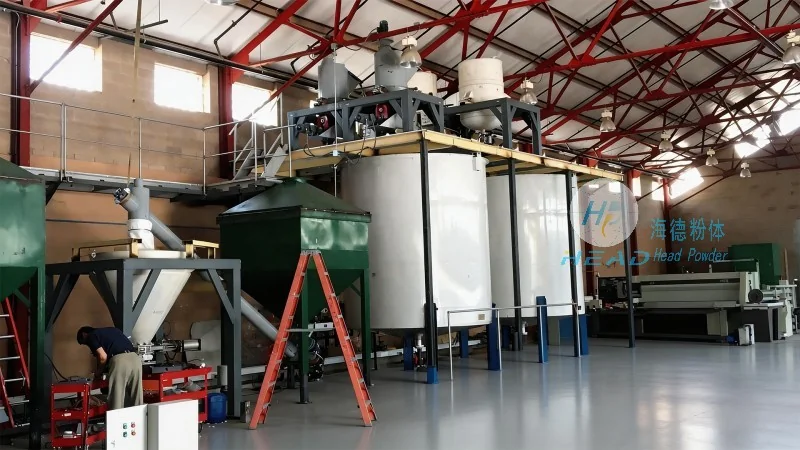
The core principle of fully automatic bulk material unpacking and pneumatic conveying lies in the combination of mechanical unpacking mechanisms and pneumatic transport technology. The system typically begins with the automatic opening of bulk bags (FIBCs) or other packaging forms, followed by the controlled discharge of the material into a hopper or storage silo. Simultaneously, a pneumatic conveying system uses compressed air or other gases to transport the material through a network of pipes to the processing or packaging area. This integration eliminates the need for manual handling, reducing labor costs and minimizing the risk of contamination or material loss.
Key components of the system include: 1) Unpacking equipment such as bulk bag openers or valve systems that safely and efficiently release the material from the packaging; 2) A hopper or feeder that regulates the flow of material into the pneumatic conveying line; 3) A conveying line with appropriate ductwork and valves to direct the material to the desired destination; 4) A dust collection system to manage airborne particles and maintain a clean working environment. The entire process is often controlled by a programmable logic controller (PLC) or a more advanced automation system, ensuring precise control over the flow rate, pressure, and timing of material movement.
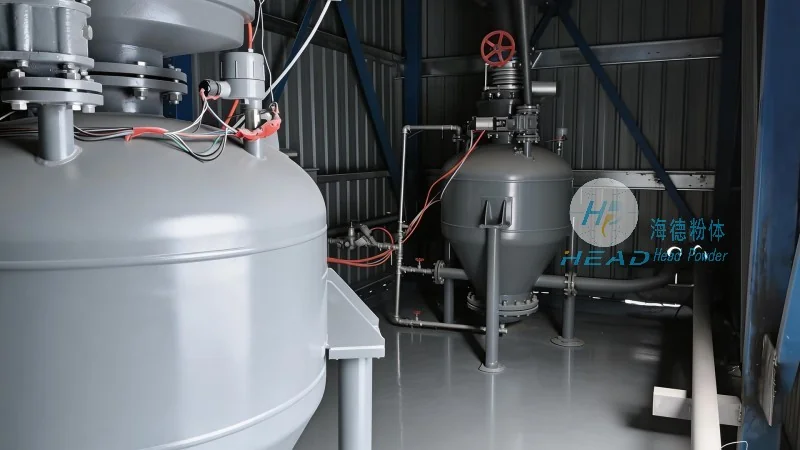
The versatility of fully automatic bulk material unpacking and pneumatic conveying makes it suitable for a wide range of industries and operational environments. In the chemical industry, for example, this system is used to handle powders and granules that require strict contamination control, such as pharmaceuticals or specialty chemicals. The automated process ensures that the material remains in a sterile environment from the moment it is unpacked until it reaches the processing stage, reducing the risk of cross-contamination and meeting stringent regulatory requirements.
In the food and beverage sector, the system is employed to transport ingredients like flour, sugar, or spices. The automated unpacking and conveying process maintains hygiene standards, as the equipment is designed to be easy to clean and resistant to corrosion. Additionally, the system can be integrated with quality control measures, such as particle size analysis or moisture content monitoring, to ensure that only compliant material is processed.
For the agricultural and feed processing industries, the system efficiently handles raw materials like grains or animal feed. The high throughput and low material loss characteristics of the pneumatic conveying system are particularly beneficial in these applications, where large volumes of material need to be moved quickly and efficiently. The automated unpacking reduces the need for manual labor, which is especially valuable in industries with strict labor regulations.
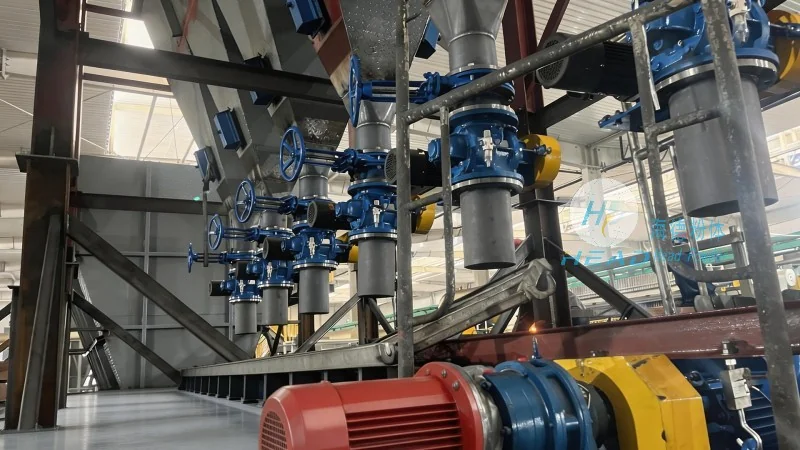
Another important application scenario is in the pharmaceutical and biotech industries, where the system is used to transport active pharmaceutical ingredients (APIs) or other sensitive materials. The fully automated process minimizes human intervention, which is critical for maintaining product purity and adhering to Good Manufacturing Practices (GMP). The system's ability to handle small batches and precise dosing makes it ideal for these applications.
While the fully automatic bulk material unpacking and pneumatic conveying system offers numerous benefits, its effectiveness can vary depending on the specific operational environment. In dusty or high-temperature environments, the system may require additional measures to prevent equipment wear and maintain air quality. For instance, in the chemical industry, where materials may be corrosive or reactive, the equipment must be constructed from materials like stainless steel to withstand the harsh conditions.
In contrast, in the food industry, the system must meet strict hygiene standards, which may involve regular cleaning cycles and the use of food-grade materials. The design of the conveying line and unpacking equipment must also prevent the accumulation of material, which can lead to bacterial growth or contamination. These considerations highlight the importance of customizing the system to the specific needs of the application.
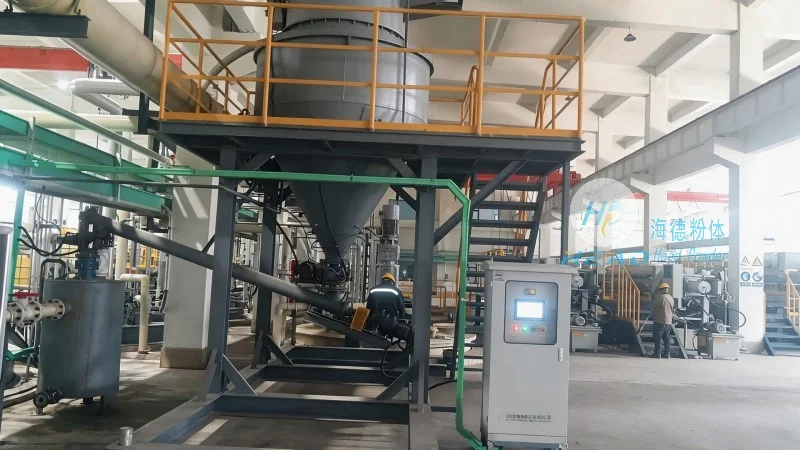
Another challenge is the need for proper maintenance and regular system checks to ensure optimal performance. The pneumatic conveying system, in particular, relies on consistent air pressure and clean air filters to prevent blockages and maintain efficiency. Regular maintenance of the unpacking equipment, such as replacing worn-out seals or cleaning the hopper, is also essential to avoid downtime and material loss.
Fully automatic bulk material unpacking and pneumatic conveying systems represent a significant advancement in material handling technology, offering industries a reliable and efficient solution for processing bulk materials. By integrating advanced automation and pneumatic transport, these systems reduce labor costs, minimize material loss, and enhance product quality across various applications. As industries continue to demand higher productivity and stricter quality control, the adoption of such systems is likely to increase, making them a critical component of modern industrial operations.

 Shandong Headpowder Engineering Co., Ltd.
 156-6277-7102(Manager Zhang)
  0531-83386006
  Zhangqiu District, Jinan City, Shandong Province, China
telephone
WeChatconsult
top