With more than 10‑year industry experience, Shandong Headpowder delivers full‑service pneumatic‑conveying systems and blowers, undertaking nationwide turn‑key powder‑handling projects.
Aluminum sulfate, commonly known as alum, is a vital chemical compound utilized across diverse industrial sectors, including water treatment, paper manufacturing, and chemical processing. The efficient handling and transportation of this material are paramount for ensuring operational efficiency, product quality, and compliance with industry standards. This article delves into the fundamental principles governing aluminum sulfate material handling systems and outlines the distinctive characteristics of their operational environments.
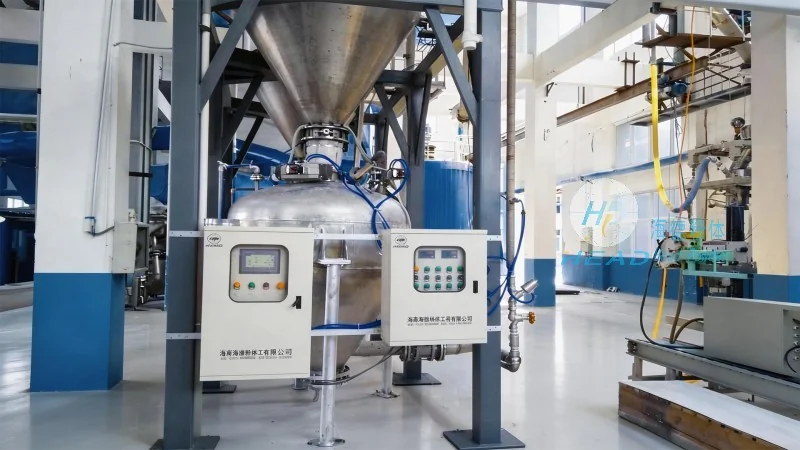
HeadPowder, a prominent engineering firm based in Shandong, China, specializes in the design and implementation of material handling systems tailored to industrial needs. With a focus on innovation and precision, the company has established itself as a trusted partner for clients seeking reliable solutions for bulk material handling. HeadPowder's expertise lies in customizing systems that align with the unique properties of materials like aluminum sulfate, ensuring optimal performance and longevity.
The operational principle of aluminum sulfate material handling systems centers on the seamless transfer of the material from storage to processing units. These systems typically integrate components such as bulk feeders, conveyors, and storage silos. The design is meticulously tailored to the physical attributes of aluminum sulfate, which includes its granular or powder form, density, and flow characteristics. For instance, the system may employ screw conveyors or pneumatic conveying mechanisms to transport the material, depending on the specific requirements of the application. The feeders are engineered to regulate flow rates precisely, preventing overloading or underflow that could disrupt downstream processes. The storage silos are constructed from corrosion-resistant materials, as aluminum sulfate is hygroscopic and can degrade when exposed to moisture over time.
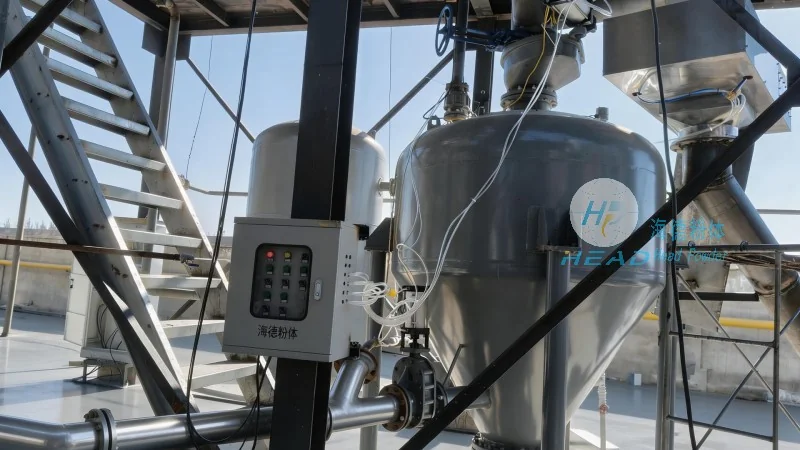
The working environment of aluminum sulfate material handling systems varies significantly based on the industry and application. In municipal water treatment facilities, the system operates within a controlled setting where the material functions as a coagulant to remove impurities from water. The system must handle the material in a dry or slightly moist state, as it can absorb atmospheric moisture, affecting its efficacy. Conversely, in paper mills, the material serves as a filler or sizing agent, and the handling system may need to accommodate larger quantities and varied particle sizes. The operational environment may also involve exposure to other chemicals or industrial gases, necessitating the system to incorporate safety features and material compatibility measures.
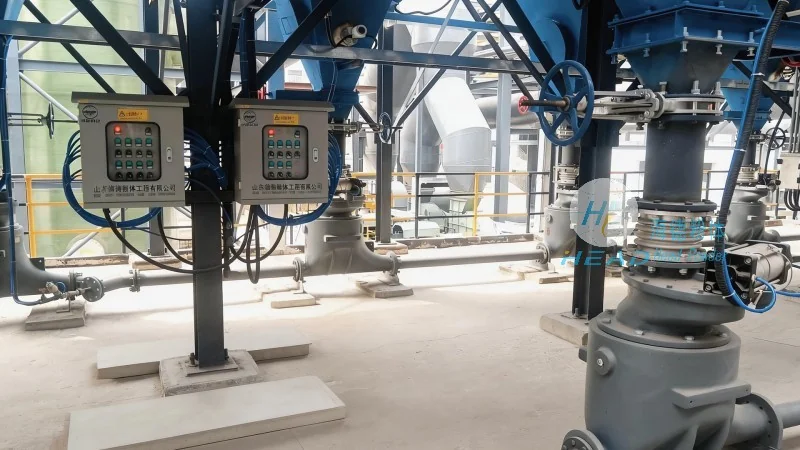
Modern aluminum sulfate material handling systems from HeadPowder are equipped with advanced features that enhance operational efficiency and safety. These include automated control systems that monitor flow rates, pressure, and temperature, ensuring optimal performance. The systems are designed for minimal maintenance, reducing downtime and operational costs. Additionally, the use of high-quality materials and robust construction ensures long-term durability, even in harsh industrial conditions. The flexibility of the systems allows for easy integration with existing production lines, minimizing the need for extensive facility modifications.
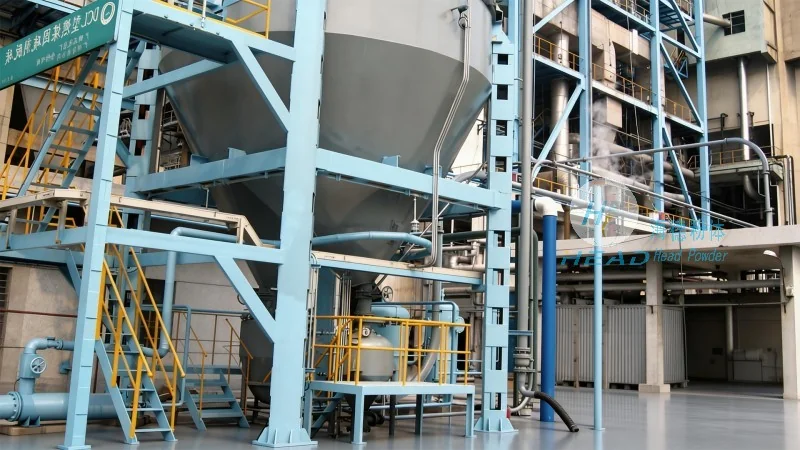
One prominent application of aluminum sulfate material handling systems is in municipal water treatment plants. Here, the system efficiently transports the coagulant to treatment tanks, where it is mixed with water to form flocs that trap impurities. The system's ability to handle large volumes of material quickly and accurately is critical for maintaining water quality standards. Another application is in the paper industry, where the material is used as a filler to improve paper strength and opacity. The system ensures a consistent supply of the material to the paper-making process, contributing to the production of high-quality paper products.
In summary, aluminum sulfate material handling systems are essential components in various industrial processes, and their design and operation are critical to the success of these applications. HeadPowder's expertise in engineering these systems ensures that clients receive reliable and efficient solutions that meet their specific needs. By understanding the principles and characteristics of these systems, industrial operators can optimize their processes and improve overall productivity, ultimately driving business success.

 Shandong Headpowder Engineering Co., Ltd.
 156-6277-7102(Manager Zhang)
  0531-83386006
  Zhangqiu District, Jinan City, Shandong Province, China
telephone
WeChatconsult
top