With more than 10‑year industry experience, Shandong Headpowder delivers full‑service pneumatic‑conveying systems and blowers, undertaking nationwide turn‑key powder‑handling projects.
HeadPowder, a leading provider in the field, specializes in the design, manufacturing, and installation of advanced pneumatic conveying systems tailored for the handling of gypsum, commonly known as sodium sulfate. This article delves into the classification and essential components of such systems, offering a comprehensive overview for industry professionals seeking efficient material transport solutions.
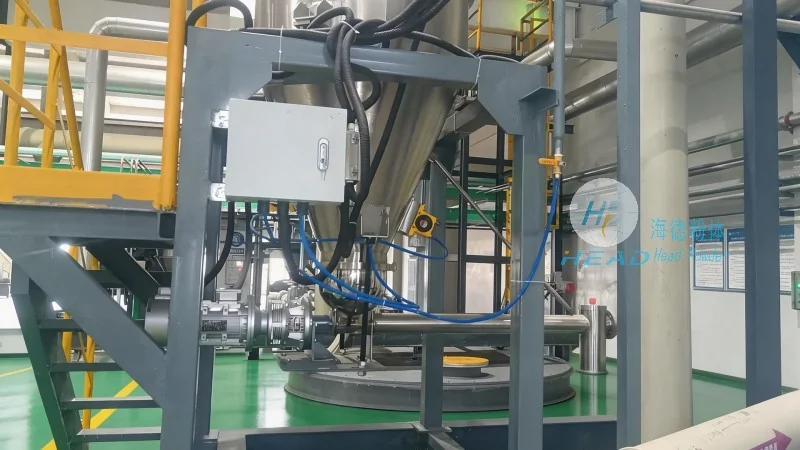
Gypsum, a versatile mineral widely used in construction, agriculture, and industrial applications, requires reliable and efficient handling methods to ensure smooth operational processes. Pneumatic conveying systems have emerged as a preferred solution due to their ability to transport dry bulk materials like gypsum with minimal dust generation and high throughput. These systems utilize air pressure or vacuum to move materials through pipelines, offering advantages such as reduced labor costs, improved safety, and enhanced product quality.
Based on the operating principle and application, gypsum pneumatic conveying systems can be classified into several key types. The primary classification includes pressure systems, vacuum systems, and combined systems, each designed to suit specific operational requirements and material characteristics.
Pressure systems operate by using compressed air to push material through the conveying line. These systems are typically used for short to medium-distance transport and are ideal for applications where the material is to be conveyed from a storage silo or hopper to a processing unit. The head of pressure systems is generated by a positive displacement blower or a rotary lobe compressor, which maintains a constant pressure throughout the pipeline. This method ensures consistent material flow and is particularly effective for handling fine powders and granular gypsum.
Vacuum systems, on the other hand, utilize a vacuum pump to draw material from the source into the conveying line. These systems are commonly employed for longer distances or when the material needs to be transported from multiple points to a central collection point. The vacuum created by the pump pulls the material through the pipeline, making it suitable for applications where the material is to be collected from various locations or transported over elevated distances.
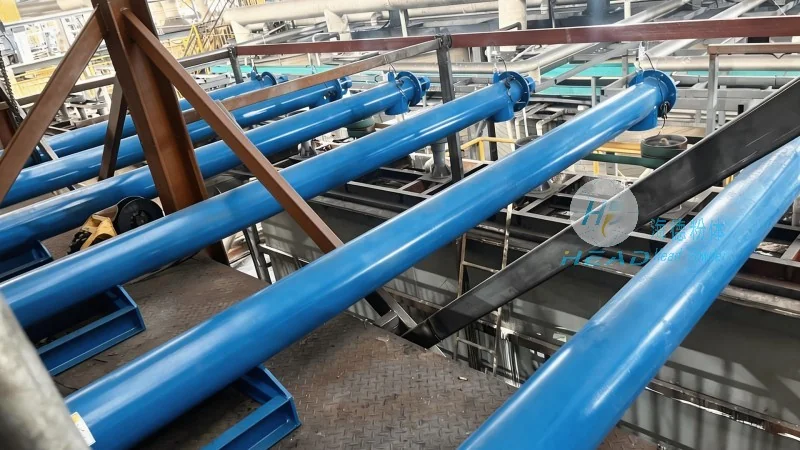
Combined systems integrate both pressure and vacuum components to offer flexibility in material handling. These systems can operate in either pressure or vacuum mode, depending on the specific requirements of the process. This dual functionality allows for efficient transport of gypsum from multiple sources to a single destination, or vice versa, making them suitable for complex industrial setups where material flow needs to be managed dynamically.
Regardless of the classification, all gypsum pneumatic conveying systems consist of several critical components that work in tandem to ensure optimal performance. These components include the material feed system, conveying line, air supply unit, and control mechanisms. Each component plays a vital role in the overall efficiency and reliability of the system.
The material feed system is responsible for introducing the gypsum into the conveying line. This component typically includes a hopper or silo equipped with a feeder, such as a rotary valve or a star feeder. The feeder regulates the flow rate of the material, ensuring a consistent and controlled feed into the system. For gypsum, which can be prone to bridging or caking, the feed system is designed to prevent blockages and maintain smooth material flow. The design of the hopper and feeder is crucial to minimize dust generation and prevent material degradation during the feeding process.
The conveying line is the core component of the pneumatic system, responsible for transporting the gypsum from the source to the destination. The line is usually made of stainless steel or other corrosion-resistant materials to withstand the chemical properties of gypsum and prevent material buildup. The diameter and length of the pipeline are carefully selected based on the material's characteristics, such as particle size, density, and flowability. For efficient transport, the pipeline is often equipped with bends, elbows, and straight sections that are designed to minimize pressure drop and maintain consistent material velocity.
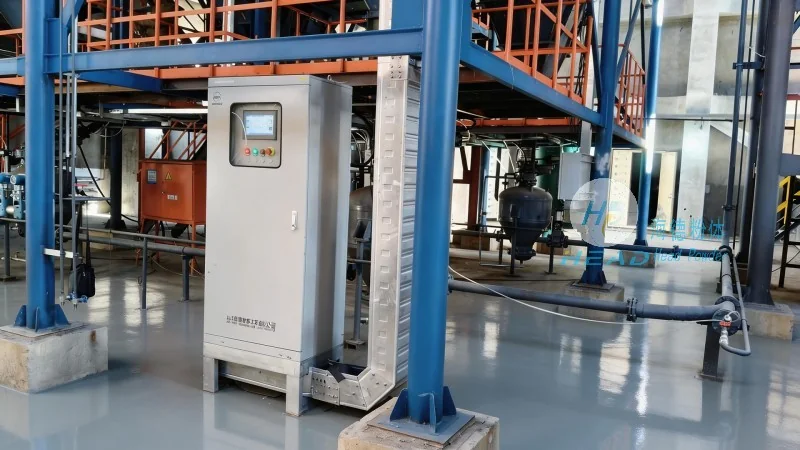
The air supply unit provides the necessary pressure or vacuum to move the material through the conveying line. This component includes a blower or a vacuum pump, depending on the system type. The blower generates compressed air for pressure systems, while the vacuum pump creates the vacuum required for vacuum systems. The air supply unit is typically equipped with filters and moisture separators to ensure that the air used is clean and dry, preventing contamination of the gypsum and maintaining the efficiency of the system. The power and capacity of the air supply unit are matched to the specific requirements of the conveying system to ensure optimal performance.
Control and monitoring systems are essential for the safe and efficient operation of the pneumatic conveying system. These systems include sensors, valves, and control panels that monitor parameters such as pressure, flow rate, and material level. The control system ensures that the conveying process is started and stopped automatically based on the operational conditions, preventing overloading or underloading of the system. Additionally, the monitoring system provides real-time data on the system's performance, allowing for timely maintenance and adjustments. For gypsum handling, where material quality is critical, these systems help maintain consistent product quality and prevent contamination.
Gypsum pneumatic conveying systems are widely used in various industries due to their efficiency and versatility. The primary applications include the transport of gypsum from storage facilities to processing plants, the delivery of gypsum to construction sites, and the handling of gypsum in agricultural and industrial processes. The benefits of these systems include reduced labor costs, improved safety by minimizing manual handling, and enhanced product quality by preventing dust contamination. Additionally, the systems are designed to handle large volumes of material, making them suitable for high-throughput operations.
HeadPowder Engineering Co., Ltd., based in Shandong, China, offers comprehensive solutions for gypsum pneumatic conveying systems, catering to the diverse needs of the industry. By understanding the classification and key components of these systems, businesses can select the most appropriate solution for their material handling requirements. The advanced design and reliable performance of HeadPowder's systems ensure efficient and safe transport of gypsum, contributing to improved operational efficiency and product quality.

 Shandong Headpowder Engineering Co., Ltd.
 156-6277-7102(Manager Zhang)
  0531-83386006
  Zhangqiu District, Jinan City, Shandong Province, China
telephone
WeChatconsult
top