With more than 10‑year industry experience, Shandong Headpowder delivers full‑service pneumatic‑conveying systems and blowers, undertaking nationwide turn‑key powder‑handling projects.
Understanding the fundamental principles and operational characteristics of hydrogen sulfide material handling systems is crucial for industries dealing with this hazardous gas. These systems are engineered to safely transport hydrogen sulfide, a toxic and flammable gas, from production sites to processing or storage facilities. The design and functionality of such systems are tailored to meet stringent safety standards while ensuring efficient material flow. This article explores the core principles behind these systems and highlights key working scene characteristics that define their application in various industrial settings.
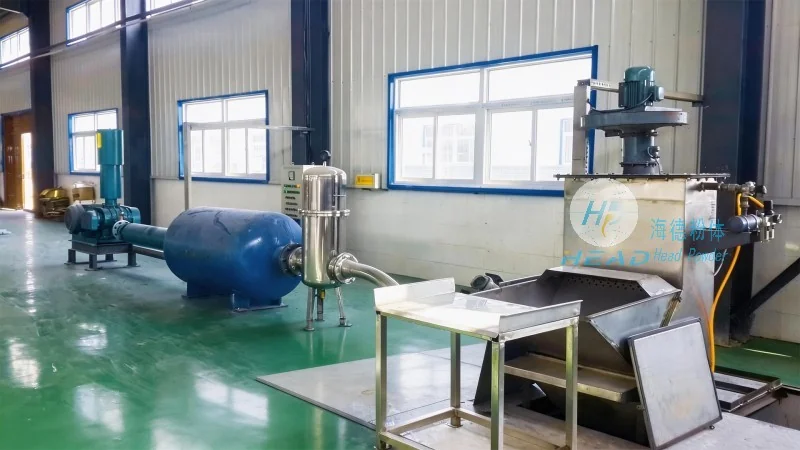
The primary principle of hydrogen sulfide material handling systems is to provide a secure, controlled environment for the movement of this hazardous gas. Key components include specialized pipelines, valves, and pumps that are constructed from materials resistant to corrosion and chemical attack, as hydrogen sulfide can be highly corrosive to many metals. The system operates under pressure control, with pressure relief valves and monitoring devices to prevent over-pressurization or leaks. Additionally, the design incorporates safety interlocks and emergency shutdown mechanisms to respond to abnormal conditions, such as gas leaks or equipment failures. The integration of these components ensures that the material handling process is both efficient and safe, minimizing the risk of exposure to personnel and the environment.
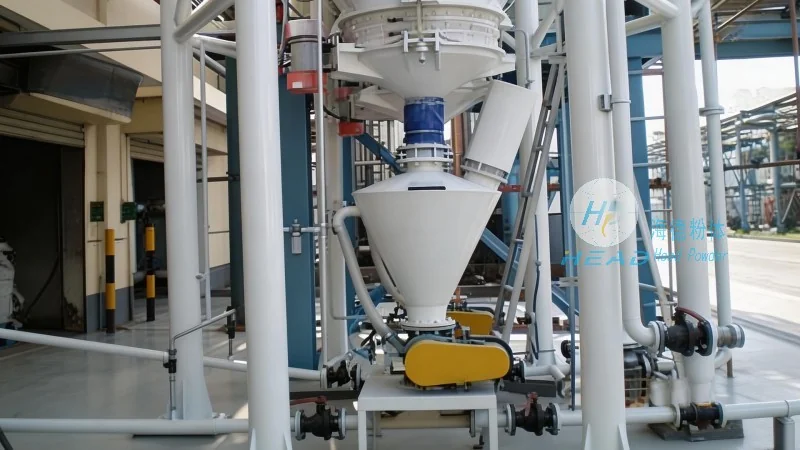
The working scene characteristics of hydrogen sulfide material handling systems vary based on the specific industrial application and the scale of operation. In oil and gas extraction sites, for instance, these systems are typically integrated into larger production facilities, where hydrogen sulfide is generated as a byproduct of crude oil and natural gas processing. The systems in this context are designed to handle high volumes of gas and operate continuously, with robust infrastructure to withstand harsh environmental conditions, such as extreme temperatures and corrosive atmospheres. In chemical manufacturing plants, the systems may be used to transport hydrogen sulfide for further processing into other chemical products, requiring precise control over flow rates and temperature to maintain product quality and safety. Additionally, the working scenes may involve the use of specialized equipment like gas compressors and storage tanks, which are critical for managing the gas throughout the production cycle. The characteristics of these working scenes emphasize the need for specialized engineering solutions that address both the technical requirements of material handling and the safety considerations inherent to hydrogen sulfide operations.
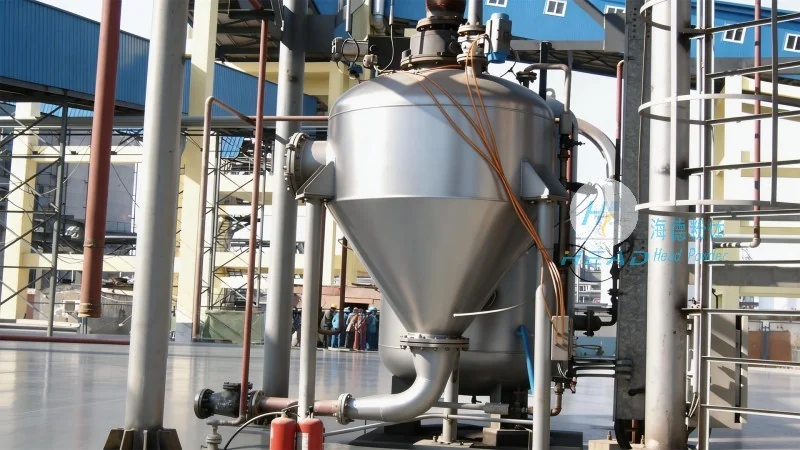
Shandong HeadPowder Engineering Co., Ltd., operating under the brand name headpowder, is a leading provider of engineering solutions for hazardous material handling systems. With a focus on innovation and adherence to international safety standards, the company specializes in designing, manufacturing, and installing systems for gases like hydrogen sulfide. Headpowder's expertise lies in creating customized solutions that meet the unique needs of each client, ensuring compliance with regulatory requirements and operational efficiency. The company's facilities are located in Shandong, China, where it leverages advanced technology and skilled workforce to deliver high-quality products and services. By combining technical knowledge with practical experience, headpowder has established itself as a trusted partner in the industry, helping clients manage hazardous materials safely and effectively.

 Shandong Headpowder Engineering Co., Ltd.
 156-6277-7102(Manager Zhang)
  0531-83386006
  Zhangqiu District, Jinan City, Shandong Province, China
telephone
WeChatconsult
top