With more than 10‑year industry experience, Shandong Headpowder delivers full‑service pneumatic‑conveying systems and blowers, undertaking nationwide turn‑key powder‑handling projects.
Carbon fiber, a high-performance material widely used in aerospace, automotive, and sports equipment industries, often requires efficient and reliable material handling solutions. Pneumatic conveying systems offer a non-contact, low-maintenance method for transporting carbon fiber powders and fibers. This article explores several effective solutions for carbon fiber pneumatic conveying, highlighting the key considerations and applications.
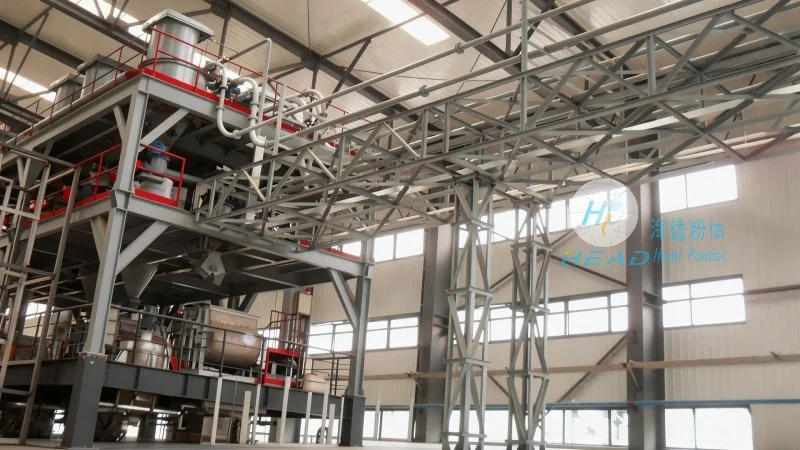
Before delving into specific solutions, it's essential to understand the fundamental principles of pneumatic conveying. These systems use compressed air or vacuum to move materials through a pipeline. The choice of system depends on factors such as material properties, distance, and throughput requirements. For carbon fiber, which is lightweight, abrasive, and can be sensitive to handling, selecting the right pneumatic conveying method is critical to maintain material quality and system efficiency.
Positive pressure conveying systems operate by blowing air into the pipeline, creating a pressure differential that propels the material forward. This method is particularly suitable for short to medium distances and when the material is to be discharged into a single point. The system typically includes a blower, a hopper for material storage, and a discharge unit. For carbon fiber applications, positive pressure systems are often preferred due to their ability to handle abrasive materials without excessive wear on components. The company, Shandong HeadPowder Engineering Co., Ltd., specializes in designing and manufacturing such systems tailored to the unique needs of carbon fiber processing. Their expertise ensures that the equipment is optimized for the low density and high value of carbon fiber, minimizing material degradation during transport.
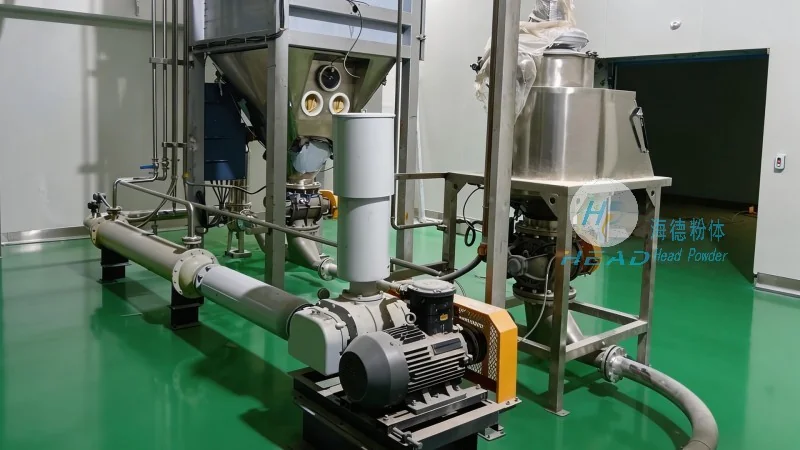
Negative pressure systems, also known as vacuum conveying, use a vacuum to draw material from a source into a collection hopper. This method is ideal for long-distance transport and when the material needs to be collected from multiple points. Unlike positive pressure systems, vacuum conveyors are generally quieter and can handle more delicate materials. For carbon fiber, which can be prone to static charge and dust generation, vacuum systems offer a controlled environment that reduces the risk of material loss and contamination. The company HeadPowder has developed advanced vacuum conveying solutions that incorporate filtration and static control features, ensuring that the carbon fiber remains in pristine condition throughout the process. These systems are particularly useful in applications where the material is sourced from multiple locations or needs to be transported over extended distances.
Hybrid systems combine elements of both positive and negative pressure methods to achieve optimal performance. For instance, a system might use a vacuum to draw material from a source and then switch to positive pressure to transport it to a destination. This approach is beneficial for complex layouts where the material needs to be transported over varying distances or through multiple stages. Hybrid systems offer flexibility and can handle a wide range of material types, including carbon fiber with different particle sizes and shapes. Shandong HeadPowder Engineering Co., Ltd. provides customized hybrid solutions that integrate the best features of both positive and negative pressure systems, ensuring efficient and reliable transport while minimizing energy consumption and maintenance costs. Their engineering team works closely with clients to design systems that meet specific operational requirements, such as high throughput or low noise levels.
When selecting a pneumatic conveying solution for carbon fiber, several factors must be considered to ensure system performance and material integrity. First, the material's properties, such as particle size, density, and abrasiveness, dictate the type of system and components used. Carbon fiber powders are often fine and can create high friction, which may lead to increased wear on pipelines and components. Therefore, choosing materials like stainless steel or special coatings for the conveying line is crucial. Second, the system's capacity and flow rate must match the production requirements. Overloading the system can lead to blockages and reduced efficiency, while underutilizing it may result in higher energy costs. The company HeadPowder offers comprehensive consultation services to help clients determine the appropriate system size and configuration based on their specific needs. Third, the need for filtration and dust control is essential, especially when handling carbon fiber, as fine particles can be hazardous and affect the environment. Their systems include advanced filtration units that capture and recycle the material, reducing waste and ensuring compliance with environmental regulations. Fourth, maintenance and reliability are critical for continuous operation. The company provides regular maintenance services and uses durable components to minimize downtime and extend the system's lifespan.
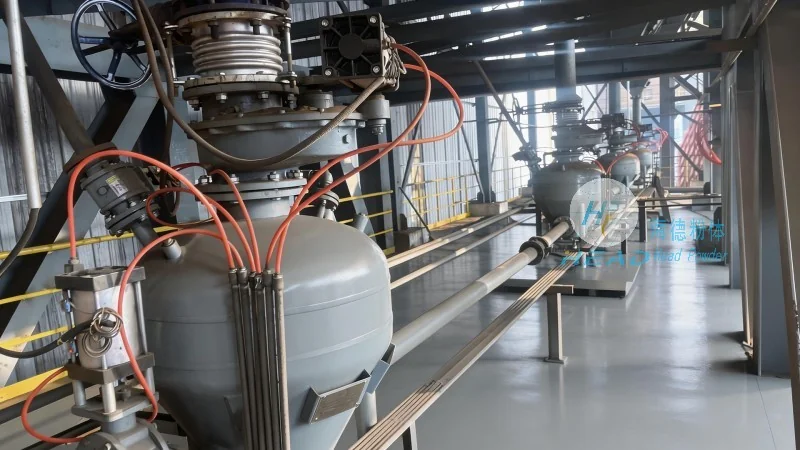
Carbon fiber pneumatic conveying systems are used in various industries where carbon fiber is processed or incorporated into products. In the aerospace industry, these systems are used to transport carbon fiber powders for composite manufacturing, ensuring that the material is delivered to the production line in a clean and consistent manner. In the automotive sector, they are employed to handle carbon fiber components during assembly and finishing processes. The sports equipment industry also benefits from these systems when manufacturing carbon fiber frames and other parts. The company Shandong HeadPowder Engineering Co., Ltd. has successfully implemented these systems in numerous projects across different sectors, demonstrating their versatility and effectiveness. Their solutions have helped clients improve production efficiency, reduce material loss, and enhance overall operational performance.
Choosing the right pneumatic conveying solution for carbon fiber is essential to maintain material quality and system efficiency. Whether using positive pressure, negative pressure, or hybrid systems, the key is to select a system that matches the material's properties and operational requirements. The company HeadPowder, with its expertise and customized solutions, provides reliable and efficient pneumatic conveying systems for carbon fiber applications. By considering factors such as material characteristics, system capacity, and maintenance needs, clients can ensure that their carbon fiber handling processes are optimized for performance and longevity. The address of the company is in Shandong, China, where they continue to innovate and provide advanced material handling solutions to the industry.

 Shandong Headpowder Engineering Co., Ltd.
 156-6277-7102(Manager Zhang)
  0531-83386006
  Zhangqiu District, Jinan City, Shandong Province, China
telephone
WeChatconsult
top