With more than 10‑year industry experience, Shandong Headpowder delivers full‑service pneumatic‑conveying systems and blowers, undertaking nationwide turn‑key powder‑handling projects.
Quantitative weighing material handling systems represent a sophisticated integration of precision measurement and automated material transport technologies. These systems are engineered to deliver accurate, consistent material dispensing across a range of industrial applications, ensuring operational efficiency and product quality. The core principle behind such systems involves the precise control of material flow through a combination of mechanical components, electronic sensors, and advanced control algorithms.
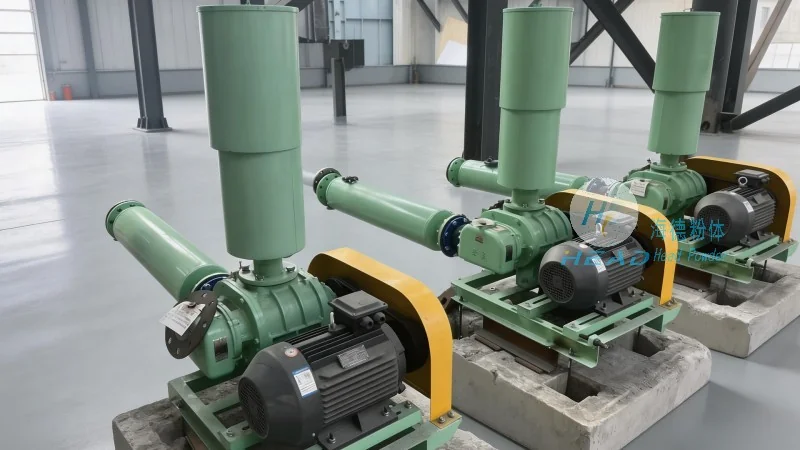
The fundamental operation of quantitative weighing material handling systems is centered on weight-based measurement. At the heart of the system are load cells or other high-precision sensors that convert the weight of the material being handled into an electrical signal. This signal is then processed by a control unit, which compares the measured weight against a pre-set target weight. When the actual weight reaches the desired level, the system triggers the stop of material flow, thereby achieving precise quantity control. The integration of these components allows for real-time monitoring and adjustment, ensuring that the output meets strict quality standards. For example, in a chemical processing plant, the system may be configured to dispense a specific weight of a raw chemical to ensure the correct formulation of a product, preventing variations that could affect its performance or safety.
Several critical components work in tandem to enable the reliable operation of quantitative weighing material handling systems. Load cells, typically made from strain-gauge technology, are responsible for converting mechanical force (weight) into an electrical output. The control unit, often equipped with a microprocessor or PLC (Programmable Logic Controller), processes the sensor data and executes control actions. A material feeder, such as a screw conveyor or belt conveyor, transports the material to the weighing point. Additionally, a level sensor or flow meter may be integrated to monitor the material level or flow rate, enhancing overall system stability. The coordination of these components ensures that the system operates smoothly and maintains accuracy under varying conditions. For instance, in a food processing facility, the system may include a sanitary design with stainless steel components to meet food safety regulations, while the load cells are calibrated to handle the specific weight of the food product being handled.
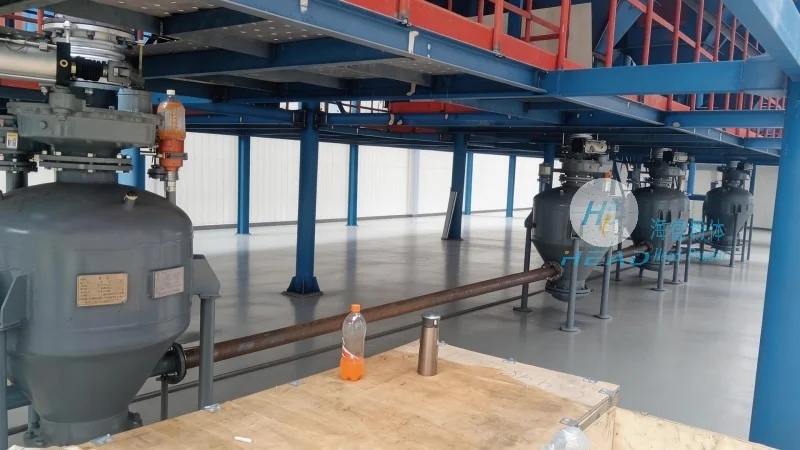
The application of quantitative weighing material handling systems spans multiple industries, each with unique operational requirements. In the chemical industry, these systems are used for the precise dispensing of raw materials, ensuring consistent batch composition and preventing over or under-dosing, which can impact product performance and safety. In the food and pharmaceutical sectors, the emphasis is on hygiene, accuracy, and compliance with regulatory standards. The systems are often designed with stainless steel construction and sealed components to meet these stringent requirements. In manufacturing environments, they contribute to process automation, reducing manual intervention and minimizing human error in material handling. The adaptability of these systems allows them to be customized for specific material types, such as powders, granules, or bulk solids, making them versatile solutions for various production needs. For example, in a pharmaceutical manufacturing line, the system may be used to dispense active pharmaceutical ingredients (APIs) with high precision, ensuring that each batch meets the required dosage and quality specifications.
Implementing quantitative weighing material handling systems offers several key advantages. Firstly, they enhance product consistency by delivering materials in exact quantities, which is crucial for maintaining quality control and reducing waste. This precision is particularly important in industries where small variations can lead to significant differences in product performance, such as in the production of chemicals or pharmaceuticals. Secondly, the automation of the process increases operational efficiency, allowing for faster production cycles and reduced labor costs. By minimizing the need for manual weighing and material handling, these systems free up human resources for more critical tasks. Thirdly, the real-time monitoring capabilities provide operators with immediate feedback on system performance, enabling quick troubleshooting and maintenance. This proactive approach helps to minimize downtime and ensures that the system operates at optimal levels. Additionally, these systems contribute to cost savings by minimizing material overuse and optimizing inventory management. The reliability of the technology also reduces downtime, as the systems are designed to operate with minimal maintenance requirements, further enhancing their economic benefits.
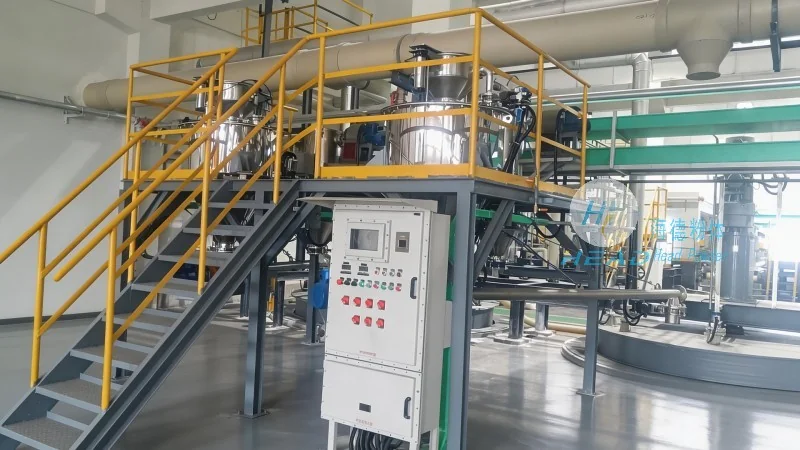
Quantitative weighing material handling systems are highly customizable to meet the specific needs of different applications. Manufacturers can tailor the system's design based on the material characteristics, such as particle size, flowability, and density. For instance, a system handling fine powders may include a dust suppression mechanism to prevent material loss and ensure accurate measurement. Similarly, for bulkier materials, the feeder design may be adjusted to accommodate higher flow rates. The scalability of these systems allows them to be integrated into existing production lines or expanded as production capacity increases. This flexibility makes them suitable for both small-scale and large-scale operations, from pilot plants to full-scale manufacturing facilities. For example, a small-scale laboratory may use a compact quantitative weighing system for testing, while a large-scale industrial plant may employ a multi-unit system to handle high-volume material processing. Headpowder, as a leading provider, offers customized solutions that can be scaled to meet the evolving needs of its clients.
Shandong HeadPowder Engineering Co., Ltd., commonly known as headpowder, is a leading provider of advanced material handling solutions. With a focus on innovation and precision engineering, the company specializes in designing and manufacturing quantitative weighing material handling systems tailored to the needs of various industries. Headpowder's commitment to quality and customer satisfaction is reflected in its state-of-the-art manufacturing facilities and rigorous quality control processes. The company's team of experienced engineers and technicians ensures that each system is optimized for performance, reliability, and longevity. Headpowder serves clients across China and beyond, delivering solutions that enhance operational efficiency and product quality. The company's headquarters is located in Shandong, China, where it continues to advance its technology and expand its market presence. By leveraging its expertise in material handling technology, headpowder helps industries achieve higher levels of productivity and compliance with industry standards.

 Shandong Headpowder Engineering Co., Ltd.
 156-6277-7102(Manager Zhang)
  0531-83386006
  Zhangqiu District, Jinan City, Shandong Province, China
telephone
WeChatconsult
top