With more than 10‑year industry experience, Shandong Headpowder delivers full‑service pneumatic‑conveying systems and blowers, undertaking nationwide turn‑key powder‑handling projects.
HeadPowder, a leading provider in the field, specializes in advanced powder handling solutions tailored for industrial applications. The company, headquartered in Shandong, China, has established itself as a key player in delivering efficient and reliable systems for transporting and managing additive powders. This article explores the fundamental principles behind these systems and highlights the distinct operational scenarios where they excel.
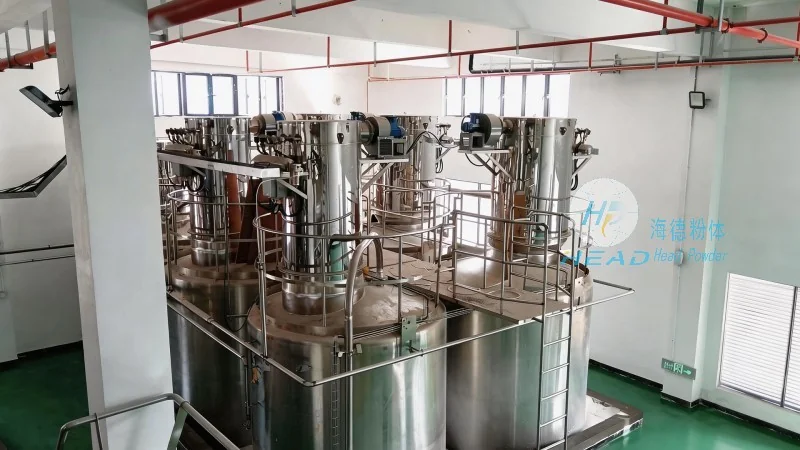
The operation of additive powder handling systems is grounded in several key principles that ensure optimal performance and safety. One of the primary principles is the use of specialized equipment designed to handle the unique properties of powders, such as their flowability, density, and potential for dust generation. These systems typically incorporate components like feeders, conveyors, and storage vessels, each engineered to maintain the integrity of the powder during transport. The principle of containment is also critical, as these systems are designed to minimize dust emissions and prevent material loss, adhering to strict industrial safety standards. Additionally, the systems employ precise control mechanisms to regulate flow rates and pressure, ensuring consistent and controlled delivery of the additive powder to the end application. By integrating these principles, the systems achieve high efficiency while maintaining operational safety and material quality.
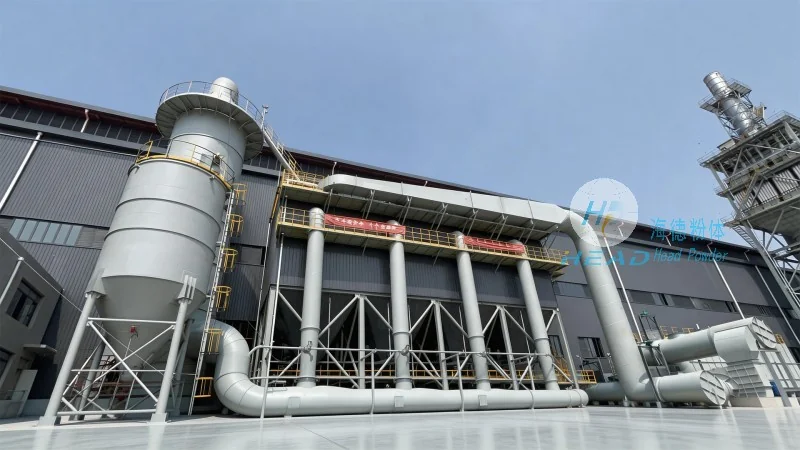
At the heart of an additive powder handling system are several essential components that work in concert to facilitate smooth operation. The feeders, often equipped with variable speed drives, are responsible for accurately metering the powder from the storage hopper to the conveyor. This component is crucial for maintaining a consistent flow rate, which is vital for processes that require precise dosage. The conveyors, which may include pneumatic or mechanical types, transport the powder from the feeder to the processing unit or storage area. Pneumatic conveyors use compressed air to move the powder, offering flexibility in layout and the ability to handle powders with varying characteristics. Mechanical conveyors, on the other hand, rely on mechanical forces like belts or screws, providing a more direct and often more efficient transport method for bulk materials. Storage vessels, typically equipped with agitators or level sensors, ensure that the powder remains well-mixed and free from caking, preventing blockages and maintaining uniform flow. Each component is carefully selected and integrated to meet the specific requirements of the application, ensuring the system operates reliably and efficiently.
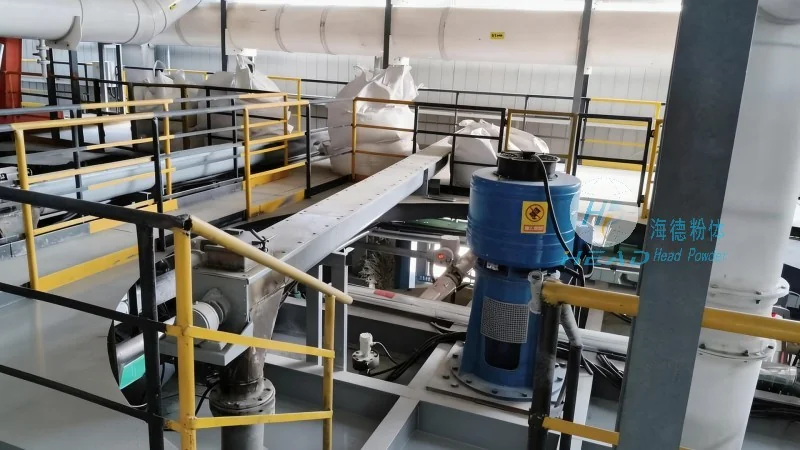
Additive powder handling systems are versatile and find application in a wide range of industries, each with unique operational requirements. In the pharmaceutical industry, these systems are used to handle active pharmaceutical ingredients (APIs) and excipients, where precision and contamination control are paramount. The systems are designed to minimize particle size variation and prevent cross-contamination, ensuring the final product meets stringent regulatory standards. In the food and beverage sector, additive powders like flavorings, colorants, and vitamins are handled with systems that maintain hygiene and prevent moisture absorption. The use of stainless steel components and sealed systems helps preserve the quality of the powder and comply with food safety regulations. The chemical industry also relies on these systems for transporting catalysts, pigments, and other reactive powders, where temperature control and explosion-proof designs are critical. The systems are equipped with safety features such as pressure relief valves and dust collection systems to mitigate risks associated with handling hazardous materials. Additionally, in the manufacturing of plastics and composites, additive powders like fillers and reinforcements are processed using high-capacity systems that can handle large volumes and maintain consistent mixing ratios. These operational scenarios demonstrate the adaptability of additive powder handling systems to diverse industrial needs, making them indispensable in modern production processes.
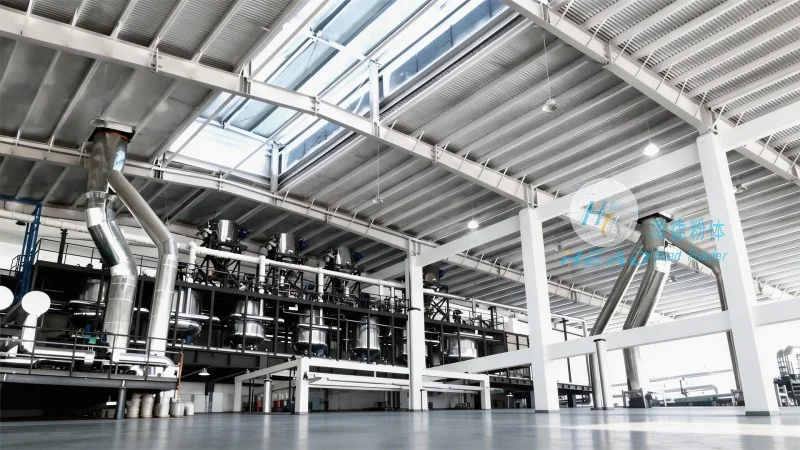
Implementing an additive powder handling system offers numerous advantages that enhance operational efficiency and product quality. One of the primary benefits is the significant reduction in material waste and loss, as the systems are designed to minimize dust emissions and prevent spillage during transport. This not only improves cost-effectiveness but also enhances safety by reducing the risk of dust explosions. The precise control of flow rates allows for accurate dosing, which is essential for processes that require exact amounts of additive, such as in pharmaceutical manufacturing or food processing. This precision leads to improved product consistency and reduced variability in the final output. Additionally, the systems contribute to improved workplace safety by containing dust and preventing exposure to harmful powders. The use of automated control systems reduces the need for manual intervention, minimizing human error and labor costs. The reliability of these systems, with minimal downtime due to maintenance, ensures continuous production and higher overall productivity. Furthermore, the modular design of many systems allows for easy integration with existing production lines, providing flexibility in adapting to changing production needs. These advantages make additive powder handling systems a valuable investment for industries seeking to optimize their powder handling processes.

 Shandong Headpowder Engineering Co., Ltd.
 156-6277-7102(Manager Zhang)
  0531-83386006
  Zhangqiu District, Jinan City, Shandong Province, China
telephone
WeChatconsult
top