With more than 10‑year industry experience, Shandong Headpowder delivers full‑service pneumatic‑conveying systems and blowers, undertaking nationwide turn‑key powder‑handling projects.
Pyrolytic carbon powder conveying systems represent a critical component in modern industrial processes, particularly in sectors where the handling of fine powders is essential. The design and functionality of these systems are tailored to address the unique challenges associated with transporting pyrolytic carbon, a material known for its high purity, electrical conductivity, and thermal stability. This article explores the underlying principles of such systems and highlights the key operational characteristics that define their effectiveness in various industrial applications.
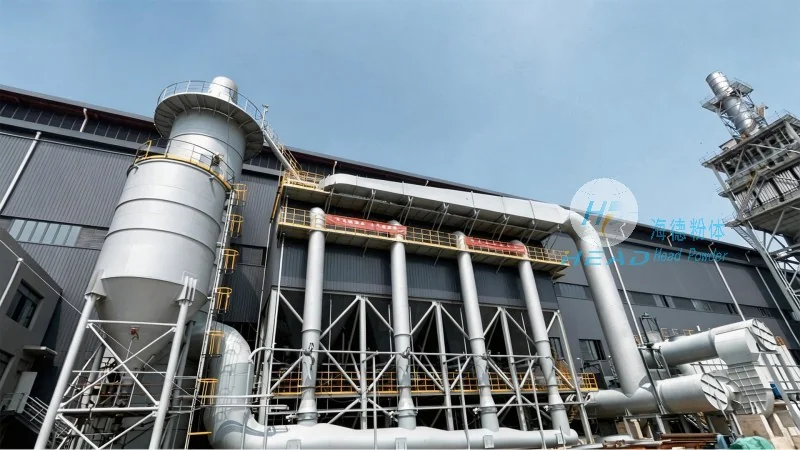
Shandong HeadPowder Engineering Co., Ltd., commonly known as headpowder, is a leading provider of specialized engineering solutions for powder handling and material processing. With headquarters located in Shandong, China, the company has established itself as a trusted partner in the development and implementation of advanced conveying systems for diverse industrial needs. HeadPowder's expertise lies in understanding the specific requirements of different industries, enabling the design of customized solutions that optimize efficiency, safety, and material integrity.
The fundamental principle behind pyrolytic carbon powder conveying systems is the efficient and controlled movement of fine particles from one location to another while maintaining the material's quality and preventing contamination. Traditional conveying methods often struggle with issues such as caking, segregation, and material degradation, especially when dealing with high-purity materials like pyrolytic carbon. To overcome these challenges, modern systems incorporate advanced technologies, including pneumatic conveying, screw conveyors, and vacuum systems, each tailored to the specific properties of the powder.
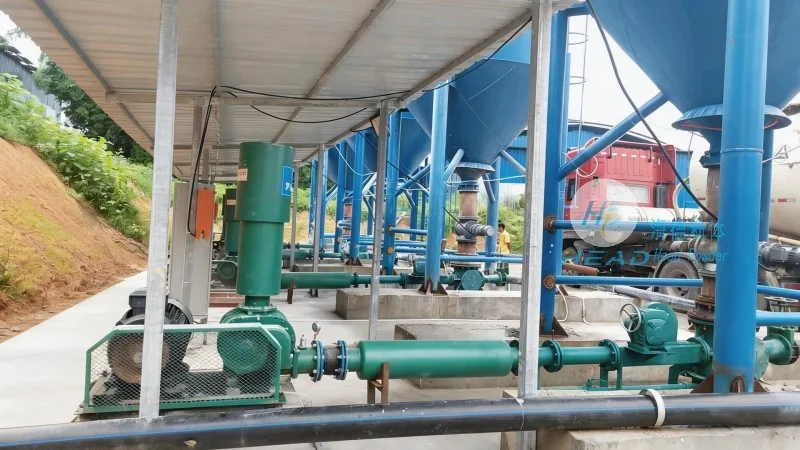
Pneumatic conveying, for instance, utilizes compressed air to transport the powder through a network of pipes. This method is particularly effective for handling pyrolytic carbon due to its ability to maintain a consistent flow rate and minimize particle degradation. The system typically includes components like airlocks, filters, and pressure vessels to ensure a clean and efficient transfer process. Screw conveyors, on the other hand, rely on rotating screws to move the material, which is suitable for horizontal or slightly inclined applications where the material's flow characteristics are favorable.
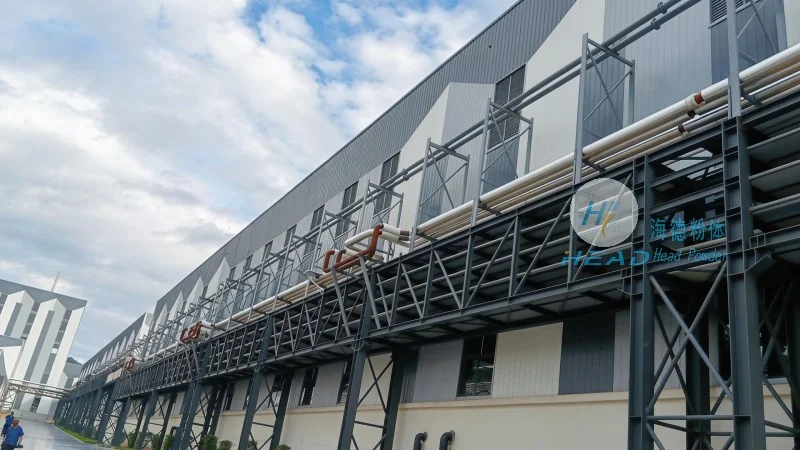
The operational characteristics of pyrolytic carbon powder conveying systems are highly dependent on the specific industrial environment in which they are deployed. These systems are commonly used in applications such as battery manufacturing, where pyrolytic carbon is a key component in electrode materials, and in the production of high-performance carbon products. In battery manufacturing, the system must ensure that the carbon powder is delivered to the mixing and casting stages without any loss of quality or contamination, which directly impacts the performance of the final battery product.
In the production of carbon-based materials, the conveying system plays a crucial role in maintaining the material's purity and preventing cross-contamination with other substances. The design of the system often incorporates features like enclosed pipelines, air filtration systems, and material separation mechanisms to meet stringent quality standards. Additionally, the operational characteristics may include adjustable flow rates, which allow for precise control over the amount of powder being transported, and monitoring systems that provide real-time data on the system's performance and material status.
Pyrolytic carbon powder conveying systems offer several advantages that make them indispensable in industrial settings. One of the primary benefits is the ability to handle high-purity materials without compromising their quality, which is critical in applications where even minor impurities can lead to significant performance issues. The systems are also designed for high efficiency, minimizing energy consumption and downtime through the use of robust components and automated controls.
Another key advantage is the enhanced safety features incorporated into modern designs. Pyrolytic carbon, while generally stable, can pose risks if not handled properly, such as dust explosions or inhalation hazards. The conveying systems address these risks through the use of explosion-proof components, dust collection systems, and automated shut-off mechanisms. These features not only protect personnel and equipment but also comply with regulatory standards, ensuring that the operation is safe and compliant.
Pyrolytic carbon powder conveying systems are essential for maintaining the integrity and efficiency of industrial processes that rely on high-purity carbon materials. By understanding the core principles and operational characteristics of these systems, industries can optimize their material handling operations, reduce costs, and improve overall productivity. As a leader in the field, Shandong HeadPowder Engineering Co., Ltd. continues to innovate and provide tailored solutions that meet the evolving needs of modern industrial applications.

 Shandong Headpowder Engineering Co., Ltd.
 156-6277-7102(Manager Zhang)
  0531-83386006
  Zhangqiu District, Jinan City, Shandong Province, China
telephone
WeChatconsult
top