With more than 10‑year industry experience, Shandong Headpowder delivers full‑service pneumatic‑conveying systems and blowers, undertaking nationwide turn‑key powder‑handling projects.
HeadPowder, a leading engineering company based in Shandong, China, specializes in the design, manufacturing, and installation of advanced pneumatic conveying systems for sintering dust applications. This article explores the fundamental principles behind such systems and highlights the key characteristics of their operational environments.
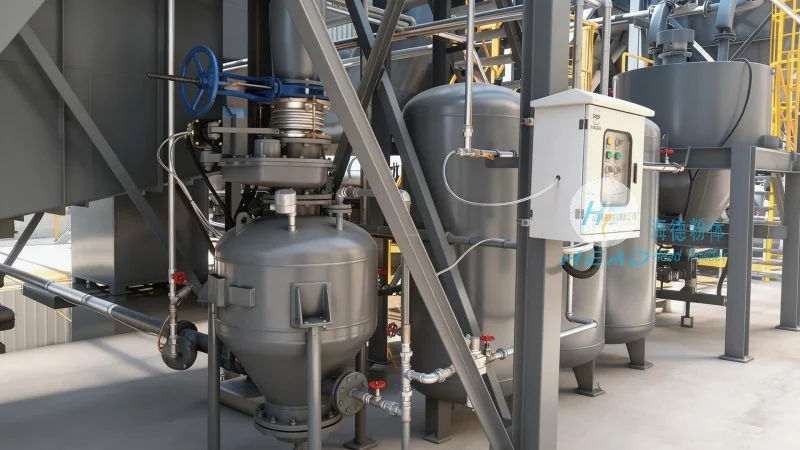
HeadPowder Engineering Co., Ltd. is a reputable enterprise dedicated to providing innovative solutions for material handling challenges in industrial sectors. With its headquarters located in Shandong, China, the company leverages decades of expertise to develop efficient and reliable pneumatic conveying systems tailored to the demands of sintering dust processing. The company's commitment to quality and technological advancement ensures that its products meet the stringent requirements of modern industrial operations.
The core principle of a sintering dust pneumatic conveying system involves the use of compressed air or gas to transport particulate materials through a closed pipeline network. This method, known as pneumatic conveying, eliminates the need for mechanical components like belts or buckets, offering a more hygienic and efficient solution for handling fine, abrasive, or potentially hazardous dust particles. The system typically operates by creating a pressure differential between the inlet and outlet of the pipeline, which propels the dust particles along the system. Key components include a dust feeder, a conveying line, a separation unit, and a receiver. The dust feeder ensures a consistent flow of material into the system, while the conveying line transports the particles. The separation unit, often a cyclone or a bag filter, separates the dust from the air stream, allowing the air to be recirculated or discharged while the dust is collected for further processing or disposal.

The operational environments for sintering dust pneumatic conveying systems are characterized by several distinct features that influence system design and performance. First, the dust is often fine and abrasive, requiring materials with high wear resistance, such as stainless steel or special alloys, for the pipeline and components. Second, the systems may operate in high-temperature environments, particularly in sintering plants where the dust is generated at elevated temperatures. This necessitates the use of heat-resistant materials and appropriate insulation to prevent system degradation. Third, the dust may contain moisture or be prone to agglomeration, which can affect flow characteristics and require additional equipment like humidifiers or agitators to maintain consistent performance. Fourth, the systems are typically integrated into larger industrial processes, requiring seamless coordination with other equipment such as sintering furnaces, storage silos, and material handling units. This integration demands precise control systems to ensure smooth operation and minimize downtime.
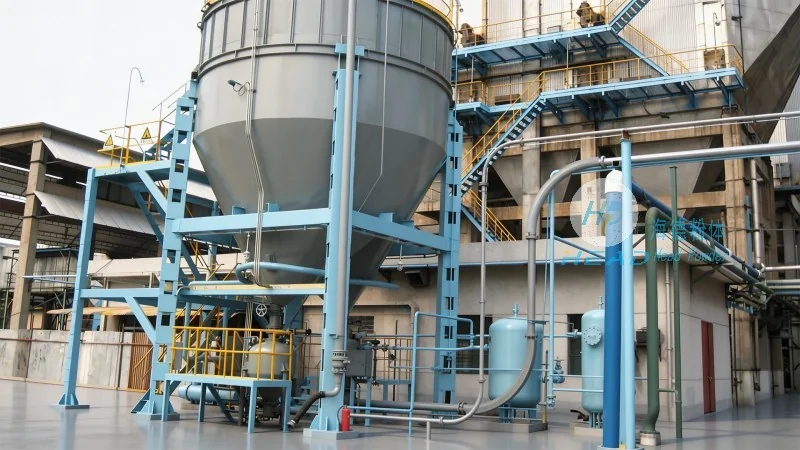
Sintering dust pneumatic conveying systems are widely used in the iron and steel industry, where sintering is a critical step in preparing raw materials for smelting. The systems efficiently transport sintered ore, dust, and other byproducts from one processing stage to another, improving overall plant efficiency and reducing material loss. In addition to steel production, these systems are also applied in other metallurgical industries, such as non-ferrous metal processing, where similar dust handling challenges exist. The versatility of pneumatic conveying allows it to handle a wide range of particle sizes and densities, making it suitable for various industrial applications beyond sintering dust.
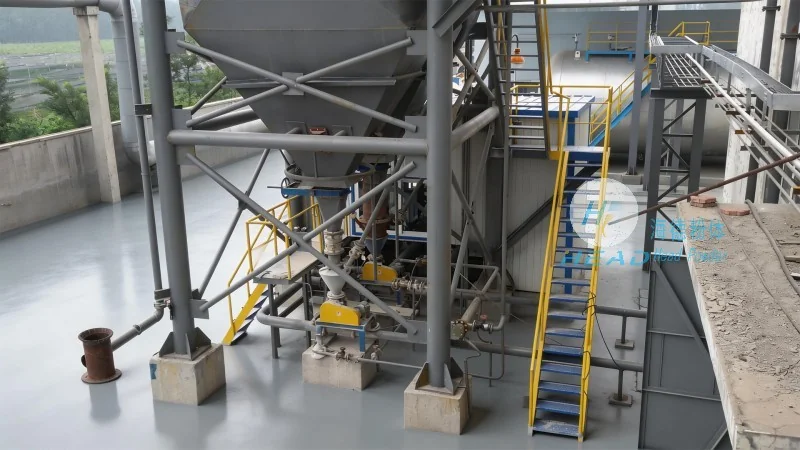
Implementing a sintering dust pneumatic conveying system offers several advantages over traditional mechanical conveying methods. These include reduced maintenance costs due to fewer moving parts, improved safety by eliminating the need for manual handling of dust, and enhanced hygiene in food and pharmaceutical industries where dust contamination is a concern. However, the success of such systems depends on careful consideration of several factors. The system design must account for the specific properties of the sintering dust, including its particle size distribution, moisture content, and abrasiveness. The choice of conveying method—whether pressure or vacuum—must be optimized based on the distance, elevation changes, and material characteristics. Additionally, the system must comply with local regulations regarding air emissions and dust control, which may require additional filtration or emission control equipment.
HeadPowder Engineering Co., Ltd. provides comprehensive solutions for sintering dust pneumatic conveying systems, combining advanced engineering with practical application knowledge. By understanding the fundamental principles and operational characteristics of these systems, industrial facilities can enhance their material handling processes, improve efficiency, and ensure compliance with environmental and safety standards. The company's expertise in designing and installing such systems ensures that clients receive reliable, efficient, and cost-effective solutions tailored to their specific needs in Shandong and beyond.

 Shandong Headpowder Engineering Co., Ltd.
 156-6277-7102(Manager Zhang)
  0531-83386006
  Zhangqiu District, Jinan City, Shandong Province, China
telephone
WeChatconsult
top