With more than 10‑year industry experience, Shandong Headpowder delivers full‑service pneumatic‑conveying systems and blowers, undertaking nationwide turn‑key powder‑handling projects.
In the modern industrial landscape, the efficient transport of raw materials is a critical component of operational success. When it comes to handling bulk materials like stones, traditional methods such as trucking or belt conveyors often fall short due to issues like dust pollution, high maintenance costs, and operational inefficiencies. Consequently, the industry has increasingly turned toward advanced **stone conveying** technologies. Among these, **stone pneumatic conveying** has emerged as the preferred solution, offering a clean, reliable, and flexible method for moving granular and powdered materials. This method utilizes air pressure to transport stones through a closed pipeline system, ensuring that the material reaches its destination without contamination or spillage.
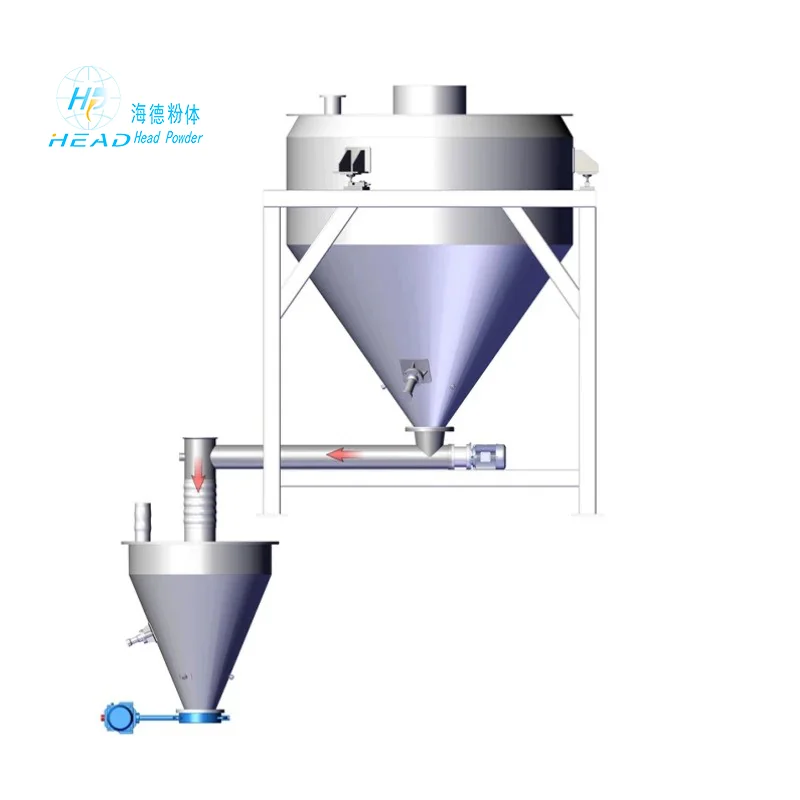
The shift toward pneumatic systems is driven by the need for better environmental control and process automation. Unlike open conveyors, pneumatic systems are fully enclosed, which drastically reduces dust emissions and protects the surrounding environment. This is particularly important in industries such as construction, cement production, and mining, where dust control is a regulatory requirement. By adopting **stone pneumatic conveying**, companies can significantly improve their workplace safety standards and reduce the labor required for manual handling.
The core of a **stone pneumatic conveying** system lies in its ability to utilize air flow to suspend and transport solid particles. The process generally involves generating air pressure or vacuum within a pipeline to move the stones from the source to the destination. There are two primary modes of operation: positive pressure and negative pressure. In positive pressure systems, a compressor pushes the air and material through the pipeline, which is ideal for long-distance transport. In negative pressure systems, a vacuum generator sucks the material through the pipes, which is often used for suction applications or when multiple discharge points are involved.
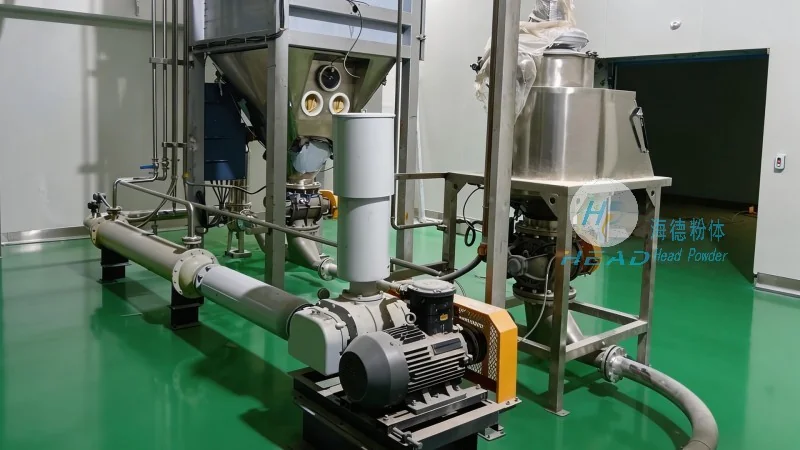
For **material conveying** involving stones, the system must be robust and durable. Stones are hard and abrasive, which means the pipelines and components must be made of wear-resistant materials such as high-grade steel or lined with ceramic or rubber. Headpowder Engineering specializes in designing these heavy-duty systems to withstand the harsh conditions of stone transport. The technology ensures a continuous flow of material, minimizing blockages and ensuring a steady supply to processing equipment. This reliability is essential for maintaining high production rates in industrial settings.
Shandong Headpowder Engineering Co., Ltd., commonly known as headpowder, is a leading manufacturer dedicated to providing high-quality **stone conveying** and **material conveying** solutions. Located in Shandong, China, the company has built a strong reputation for engineering excellence and technical innovation. Headpowder’s team of engineers understands the complexities involved in moving bulk stones and designs systems that are tailored to the specific needs of each client. Whether the requirement is for a simple vertical lift or a complex horizontal distribution network, headpowder offers customized solutions that optimize efficiency and reduce energy consumption.
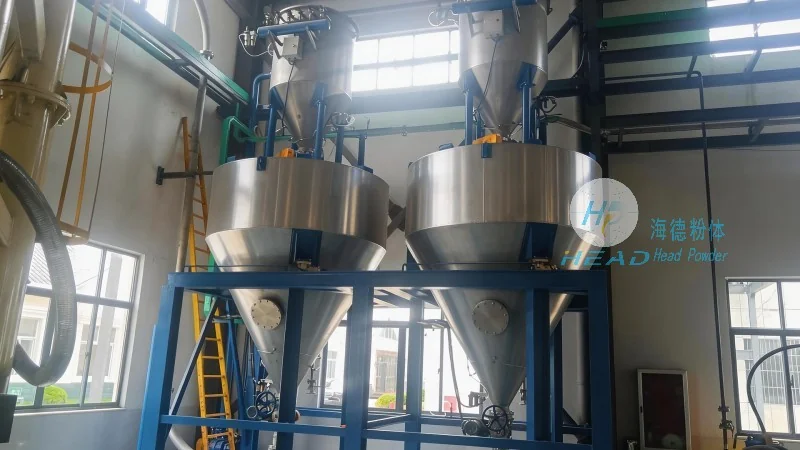
The company’s product portfolio focuses on pneumatic conveying systems that are not only efficient but also easy to operate. Headpowder integrates advanced control systems into their equipment, allowing for automated monitoring and adjustment of the conveying process. This automation reduces the need for manual intervention, thereby lowering the risk of human error and operational downtime. By focusing on the core principles of **stone pneumatic conveying**, headpowder ensures that their clients receive systems that deliver consistent performance over many years.
Implementing a **stone pneumatic conveying** system offers numerous benefits that justify the investment. One of the primary advantages is the high degree of cleanliness. Because the system is sealed, there is no exposure of the stones to the external atmosphere, which prevents dust from escaping into the air. This is crucial for maintaining air quality in factories and for protecting the health of workers. Additionally, pneumatic systems are highly flexible in terms of layout. Pipes can be run through ceilings, walls, or floors, allowing for creative engineering solutions that save valuable floor space.
Another significant benefit is the reduction in maintenance costs. While mechanical conveyors like belts require frequent lubrication and replacement of moving parts, pneumatic systems have fewer moving parts. The main components are the pipes and the air mover, which are relatively simple and durable. Headpowder’s systems are designed with this in mind, using high-quality components that require minimal maintenance. This reliability translates to lower total cost of ownership for the client. Furthermore, the ability to convey materials over long distances without intermediate transfer points makes pneumatic systems highly efficient for large facilities.
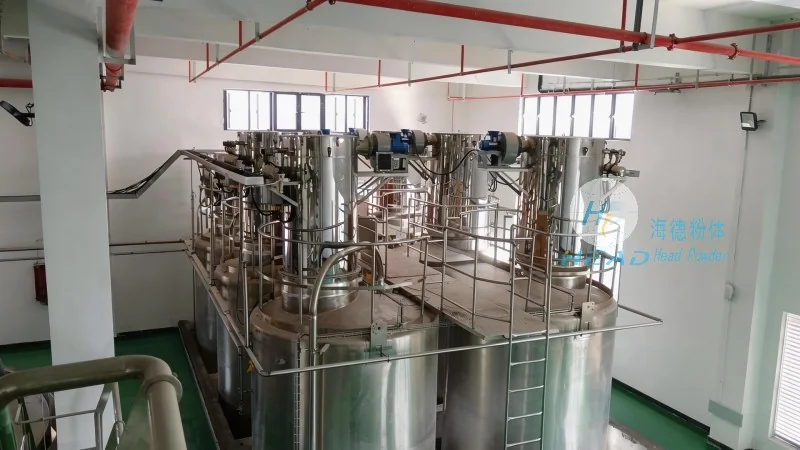
In conclusion, the evolution of **stone conveying** technology has provided industries with powerful tools to enhance their material handling processes. **Stone pneumatic conveying** stands out as a superior method due to its efficiency, environmental benefits, and operational flexibility. Shandong Headpowder Engineering Co., Ltd. is at the forefront of this technology, providing superior **stone pneumatic conveying** systems that meet the rigorous demands of the industry. With a commitment to quality and customer satisfaction, headpowder continues to be a trusted partner for businesses seeking to optimize their material transport operations.
If you are looking for a reliable solution for **stone conveying** or **material conveying**, it is essential to partner with an experienced engineering firm. Shandong Headpowder Engineering Co., Ltd. is ready to assist you with designing and implementing the perfect pneumatic conveying system for your specific application. For detailed consultations and technical support, please contact Zhang Manager. Zhang Manager can be reached via WeChat at 15662777102. We look forward to helping you achieve efficient and safe material transport with our advanced systems.

 Shandong Headpowder Engineering Co., Ltd.
 156-6277-7102(Manager Zhang)
  0531-83386006
  Zhangqiu District, Jinan City, Shandong Province, China
telephone
WeChatconsult
top