With more than 10‑year industry experience, Shandong Headpowder delivers full‑service pneumatic‑conveying systems and blowers, undertaking nationwide turn‑key powder‑handling projects.
When designing a pneumatic conveying system for handling dust and particulate materials, understanding the core principles of gravity dust removal is crucial. The system must effectively separate dust from the conveying air while ensuring efficient material transport. This article outlines key design considerations for such systems, emphasizing the technical aspects that contribute to optimal performance and reliability.
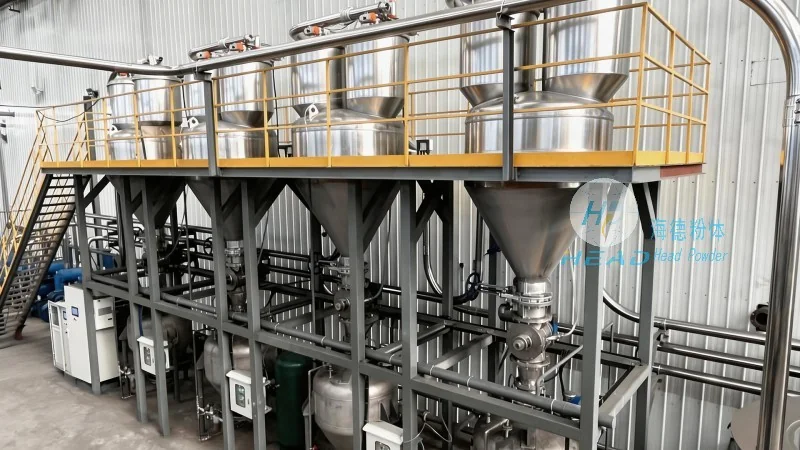
The gravity dust removal system typically integrates several critical components, each with specific design requirements. The primary elements include dust collectors, air filters, and material separation devices. For instance, the selection of a cyclone separator or a baghouse filter depends on the particle size distribution and the required filtration efficiency. The design must account for the pressure drop across each component to maintain system efficiency and energy consumption. Additionally, the material of construction for these components is vital, as it must withstand the abrasive nature of dust and the operational conditions, such as temperature and humidity variations.
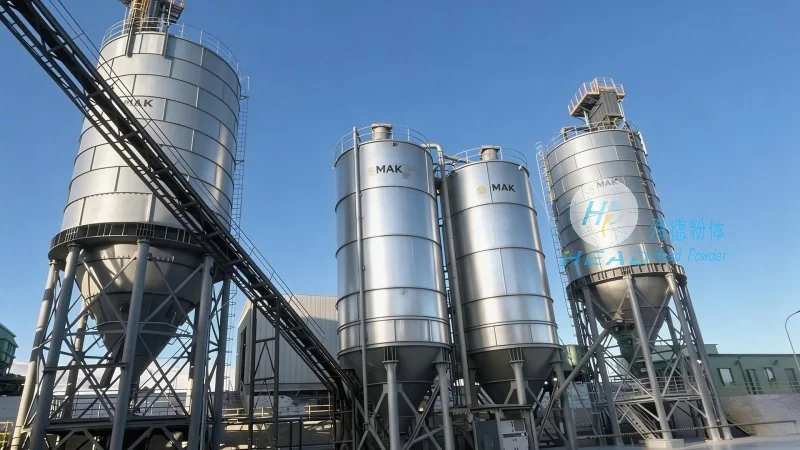
The layout of the pneumatic conveying system significantly impacts its performance. A well-designed layout ensures smooth material flow from the source to the destination, minimizing pressure losses and preventing blockages. The system should incorporate appropriate bends, elbows, and straight sections to maintain the velocity of the conveying air at optimal levels. The placement of dust removal devices is also critical; they should be positioned where the air velocity is highest to maximize dust capture efficiency. Furthermore, the use of pulse-jet cleaning for baghouse filters or regular maintenance schedules for cyclones ensures consistent performance over time.
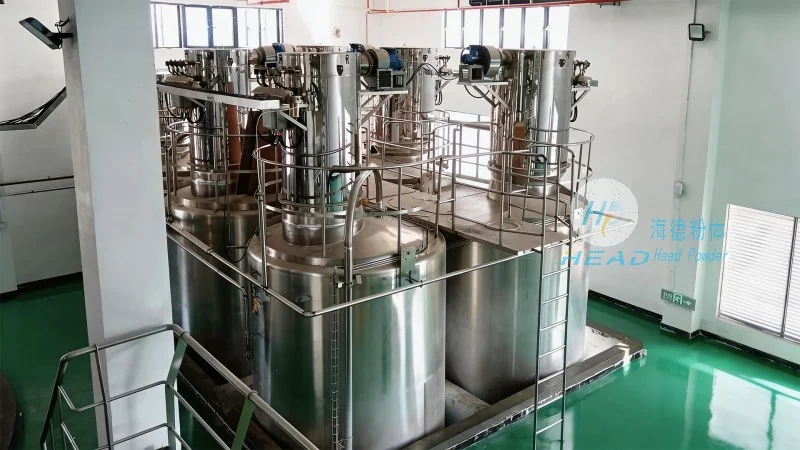
Handling different types of dust requires tailored design approaches. For example, abrasive materials like silica or metal powders demand stronger construction materials and more robust separation mechanisms to prevent wear and tear. The system must also consider the moisture content of the dust, as high humidity can lead to caking and blockages. In such cases, incorporating drying stages or using anti-caking additives may be necessary. The design should also account for the density and flowability of the material, as these properties affect the conveying velocity and the required air pressure.
Modern pneumatic conveying systems prioritize energy efficiency and environmental compliance. The design should aim to minimize energy consumption by optimizing air velocity and reducing pressure drop. This not only lowers operational costs but also aligns with sustainability goals. Additionally, the system must meet local and international environmental regulations regarding dust emissions. Advanced filtration technologies, such as high-efficiency particulate air (HEPA) filters, can be integrated to ensure compliance with stringent emission standards. The use of recycled air or closed-loop systems further enhances environmental performance.
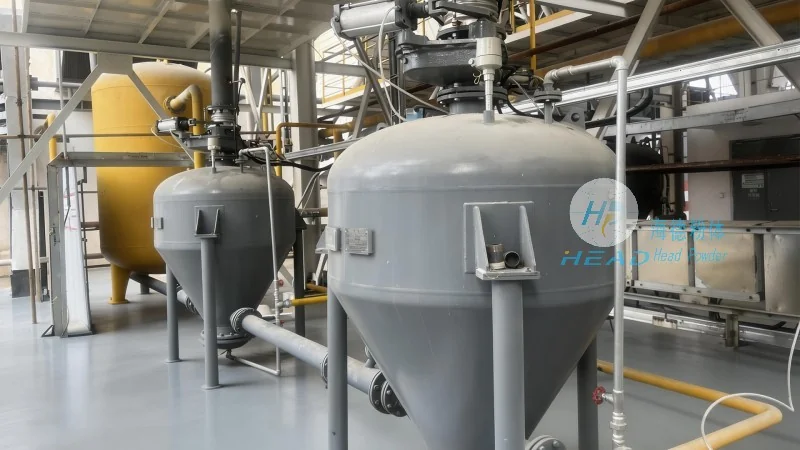
Proper installation and regular maintenance are essential for the long-term reliability of the system. During installation, all components must be aligned correctly to avoid air leaks and ensure smooth material flow. The system should be tested under operational conditions to identify any potential issues before full-scale use. Maintenance schedules should include routine checks of filter performance, cleaning of dust collectors, and inspection of conveying lines for blockages or wear. Using high-quality spare parts and following manufacturer guidelines for maintenance can extend the system's lifespan and reduce downtime.

 Shandong Headpowder Engineering Co., Ltd.
 156-6277-7102(Manager Zhang)
  0531-83386006
  Zhangqiu District, Jinan City, Shandong Province, China
telephone
WeChatconsult
top