With more than 10‑year industry experience, Shandong Headpowder delivers full‑service pneumatic‑conveying systems and blowers, undertaking nationwide turn‑key powder‑handling projects.
Intermittent pneumatic conveying systems represent a specialized category of material handling technology designed to transport bulk materials through a pipeline using compressed air. Unlike continuous systems that maintain a steady flow of air and material, intermittent conveyors operate in a cyclical manner, moving material in discrete batches. This operational approach offers distinct advantages in terms of control, flexibility, and suitability for specific material types and process requirements.
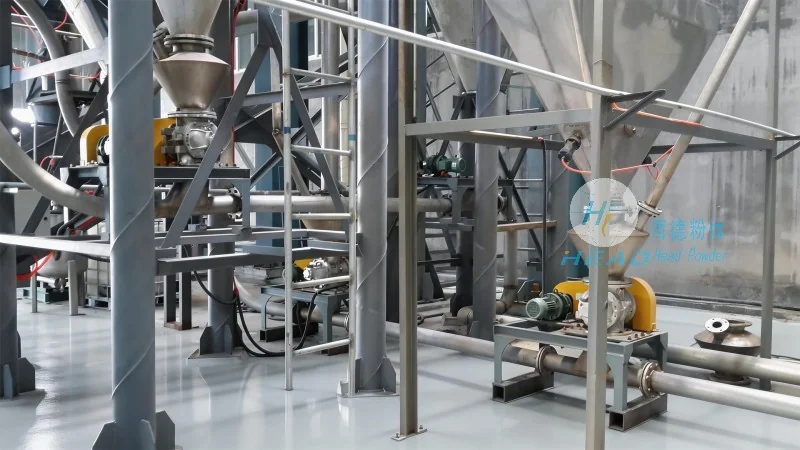
The fundamental principle behind intermittent pneumatic conveying involves the use of a pressure vessel or hopper to store material, which is then released into a pipeline under controlled pressure. Compressed air is introduced into the pipeline, creating a pressure differential that propels the material forward in short bursts. The system typically includes components such as a feeder, a pressure vessel, a pipeline, and a receiver, all working in coordination to achieve efficient material transfer. The key to this technology lies in the precise timing of material release and air pressure, which ensures that each batch of material is conveyed without excessive wear on the system components.
The working scene characteristics of intermittent pneumatic conveying systems are tailored to specific industrial applications, making them suitable for a variety of demanding environments. These systems are particularly effective in scenarios where material handling requires high levels of control, such as in pharmaceutical, food processing, and chemical industries. The ability to handle sensitive or abrasive materials without degradation is a significant advantage, as the intermittent operation minimizes friction and impact on the material. Additionally, the system's flexibility allows for integration into existing production lines, enabling seamless material transfer between processes or storage facilities.
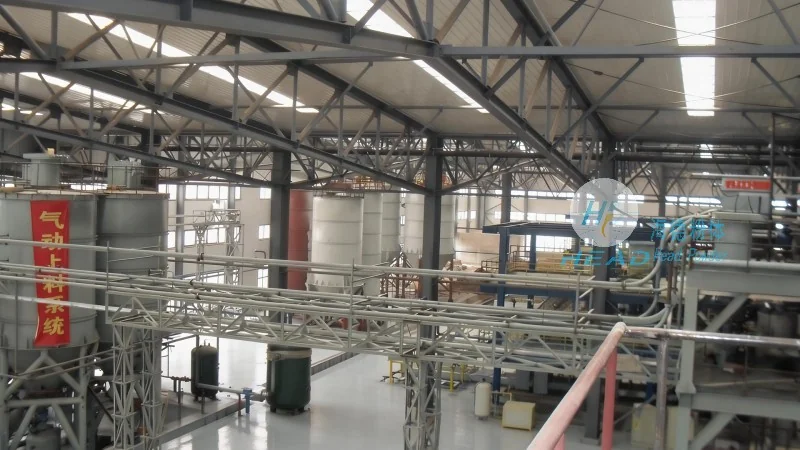
Intermittent pneumatic conveying systems are widely used in various industrial sectors, each with unique requirements that the technology addresses effectively. For instance, in the pharmaceutical industry, these systems are employed to transport raw materials and finished products with strict contamination control measures. The controlled release and low shear environment protect the integrity of the materials, ensuring compliance with regulatory standards. In the food processing sector, intermittent conveyors are used to handle dry ingredients like powders and granules, maintaining hygiene and preventing cross-contamination. Similarly, in the chemical industry, they facilitate the transfer of reactive or hazardous materials in a safe and controlled manner, reducing the risk of accidents and exposure.
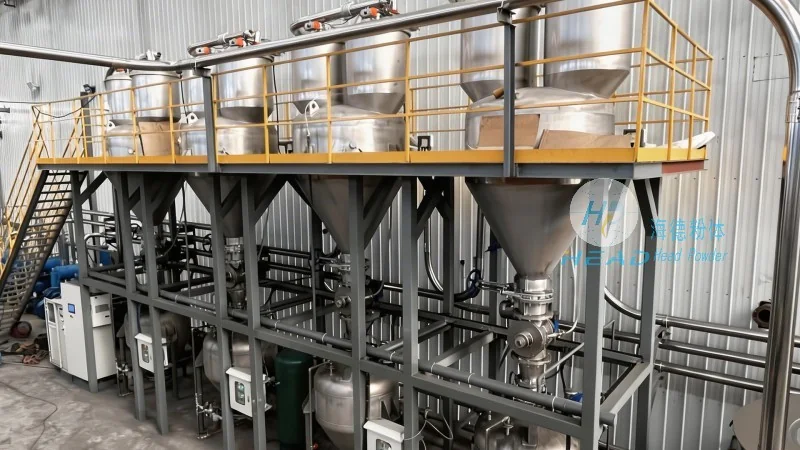
Implementing an intermittent pneumatic conveying system offers several benefits, including enhanced process control, reduced maintenance costs, and improved material handling efficiency. The ability to adjust the conveying parameters, such as air pressure and material feed rate, allows for optimization based on the specific material properties and operational needs. However, it is essential to consider the system's limitations, particularly regarding the maximum conveying distance and material size. Larger or heavier materials may require more robust equipment and higher air pressures, which can impact the overall cost and energy consumption of the system. Proper system design and maintenance are crucial to ensure reliable operation and to maximize the lifespan of components.
Shandong HeadPowder Engineering Co., Ltd., operating under the brand name headpowder, is a leading provider of advanced material handling solutions, including intermittent pneumatic conveying systems. With a focus on innovation and customer-centric design, the company specializes in developing customized systems that meet the diverse needs of industrial clients. HeadPowder's expertise lies in integrating cutting-edge technology with practical applications, ensuring that their products deliver reliable performance and long-term value. Based in Shandong, China, the company leverages its local resources and industry knowledge to deliver high-quality engineering solutions tailored to global market demands.

 Shandong Headpowder Engineering Co., Ltd.
 156-6277-7102(Manager Zhang)
  0531-83386006
  Zhangqiu District, Jinan City, Shandong Province, China
telephone
WeChatconsult
top