Working Principle and Features of Pneumatic Conveying Equipment for Crystalline Materials
Release time:2026-09-18 13:01:25
name of the company:Shandong Headpowder Engineering Co., Ltd.
telephone:156-6277-7102
contacts:Manager Zhang
HeadPowder, a leading manufacturer based in Shandong, China, specializes in the design and production of advanced pneumatic conveying equipment tailored for handling crystalline materials. This article explores the fundamental working principles and key characteristics of such machinery, providing a comprehensive overview for industry professionals seeking efficient material transport solutions.
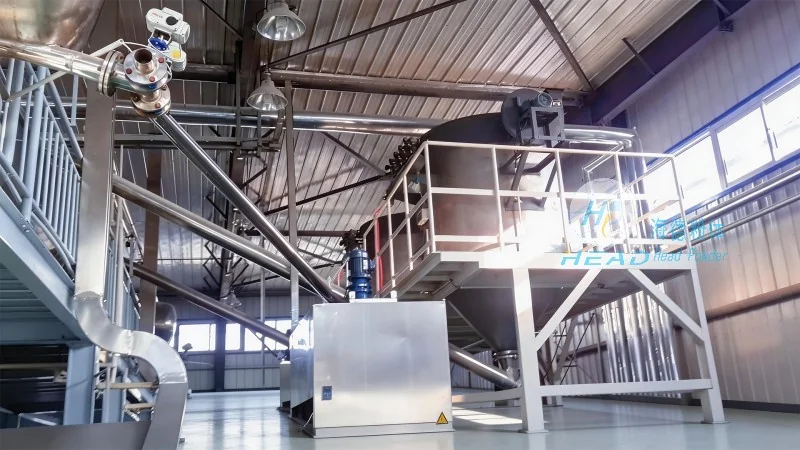
Overview of Pneumatic Conveying for Crystalline Materials
Pneumatic conveying systems are widely utilized in industries dealing with crystalline materials due to their ability to transport bulk solids through a pipeline using air or other gases. These systems offer a dust-free, enclosed method of material handling, which is crucial for maintaining product quality and ensuring workplace safety. The equipment typically consists of a hopper, a conveyor line, and a receiver, with the entire process driven by air pressure or vacuum.
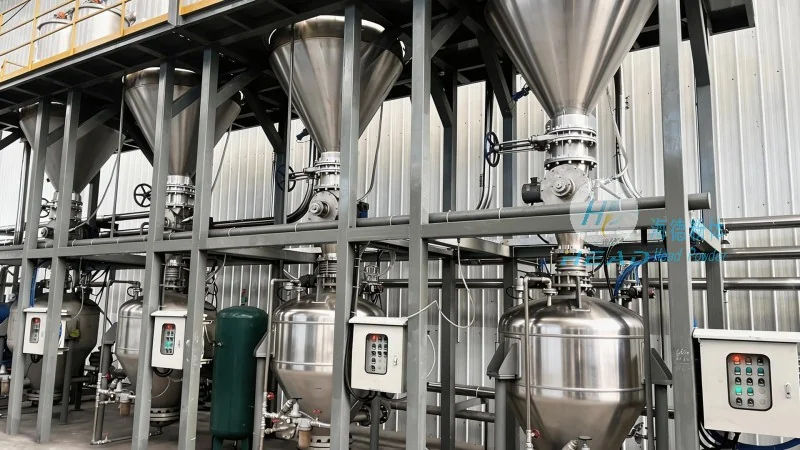
The Working Principle of Crystalline Material Pneumatic Conveying Equipment
The operation of crystalline material pneumatic conveying equipment is based on the principle of fluidization and suspension of the material particles within a moving air stream. When the material is introduced into the hopper, it is fed into the conveyor line under controlled air pressure. The air, moving at a specific velocity, lifts and transports the crystalline particles through the pipeline. The key components and their functions are as follows:
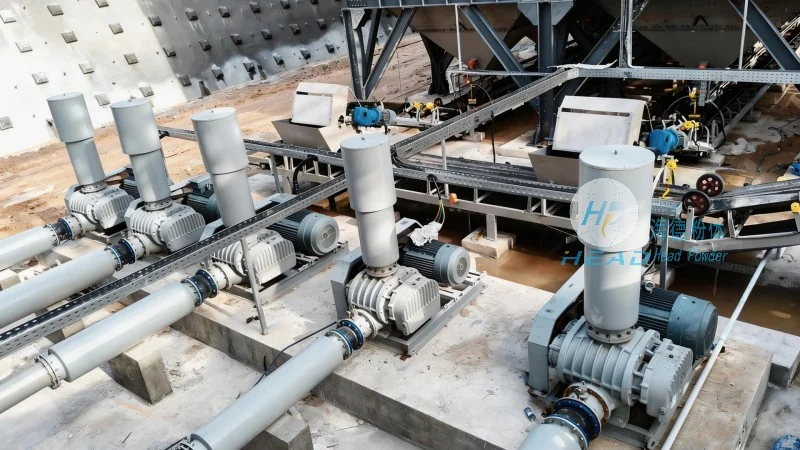
- Hopper: The storage and feeding unit where crystalline materials are loaded before being transferred into the conveying system. It is designed to minimize material degradation and ensure a consistent feed rate.
- Conveying Line: The main pipeline through which the material is transported. The diameter and length of the line are critical factors that affect the conveying capacity and efficiency. Proper line design prevents blockages and ensures smooth material flow.
- Air Supply System: This component generates the necessary air pressure or vacuum to move the material. It includes compressors, filters, and regulators that maintain the required air quality and pressure levels. The air velocity must be sufficient to keep the crystalline particles suspended but not so high as to cause excessive wear on the equipment.
- Receiver: The final unit where the conveyed material is deposited. It is typically equipped with a discharge valve to control the release of the material, ensuring a clean and controlled unloading process.
Key Features of Crystalline Material Pneumatic Conveying Equipment
HeadPowder's pneumatic conveying equipment for crystalline materials is engineered with several distinctive features that enhance performance and reliability. These features are designed to address the unique challenges associated with handling crystalline materials, such as their tendency to clump or agglomerate:
- Adaptive Air Flow Control: The equipment incorporates advanced air flow control mechanisms that adjust the velocity and pressure of the air stream in real-time. This ensures optimal suspension of the crystalline particles, preventing clogging and maintaining consistent conveying rates.
- Material-Specific Design: Each system is customized to the specific properties of the crystalline material, including particle size, density, and moisture content. This tailored approach maximizes efficiency and minimizes wear on components, extending the equipment's service life.
- Dust-Free and Enclosed Operation: The fully enclosed design of the conveying system eliminates dust emissions, which is essential for maintaining product purity and complying with environmental regulations. This feature also enhances workplace safety by reducing exposure to airborne particles.
- Easy Maintenance and Cleaning: The equipment is designed with easy access points for maintenance and cleaning, reducing downtime and operational costs. Modular components allow for quick replacement of worn parts, ensuring minimal disruption to production.
- Energy Efficiency: Advanced aerodynamic designs and efficient air compression systems contribute to lower energy consumption compared to traditional conveying methods. This not only reduces operational costs but also aligns with sustainability goals in industrial operations.
Applications and Benefits in Industrial Settings
The use of pneumatic conveying equipment for crystalline materials offers numerous benefits across various industries, including pharmaceuticals, food processing, chemical manufacturing, and mining. The primary advantages include:
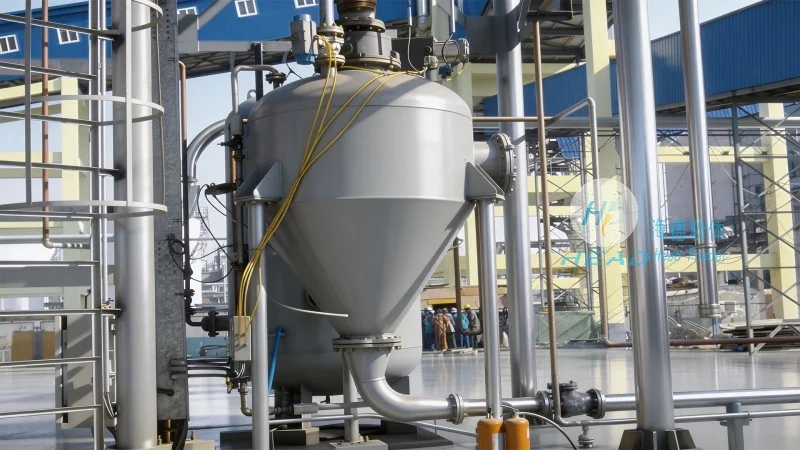
- Improved Product Quality: The enclosed system prevents contamination and degradation of the crystalline material, ensuring that the final product meets stringent quality standards.
- Enhanced Safety: By eliminating dust and providing a controlled environment, the equipment reduces the risk of workplace accidents and health hazards associated with handling powders.
- Increased Efficiency: The continuous and automated operation of the system minimizes labor costs and improves production throughput, leading to higher overall operational efficiency.
- Space Efficiency: The compact design of the equipment allows for installation in limited spaces, making it suitable for facilities with constrained layouts.
Conclusion
HeadPowder's pneumatic conveying equipment for crystalline materials combines advanced technology with robust design to deliver reliable and efficient material transport solutions. By understanding the working principles and key characteristics of such machinery, industry professionals can make informed decisions when selecting equipment that meets their specific operational needs. With its focus on customization, safety, and efficiency, HeadPowder continues to be a trusted partner in providing innovative solutions for the handling of crystalline materials.

 Shandong Headpowder Engineering Co., Ltd.
 156-6277-7102(Manager Zhang)
  0531-83386006
  Zhangqiu District, Jinan City, Shandong Province, China