With more than 10‑year industry experience, Shandong Headpowder delivers full‑service pneumatic‑conveying systems and blowers, undertaking nationwide turn‑key powder‑handling projects.
Positive pressure pneumatic conveying is a widely used industrial method for transporting bulk materials through a pipeline using compressed air. This technology offers an efficient and flexible solution for moving powders, granules, and other dry materials from one location to another. The system operates by generating positive pressure within the conveying line, which forces the material to move along the pipeline under the pressure of the air. This approach is particularly effective for applications requiring high material throughput, long-distance transport, or the handling of materials that are sensitive to moisture or contamination.
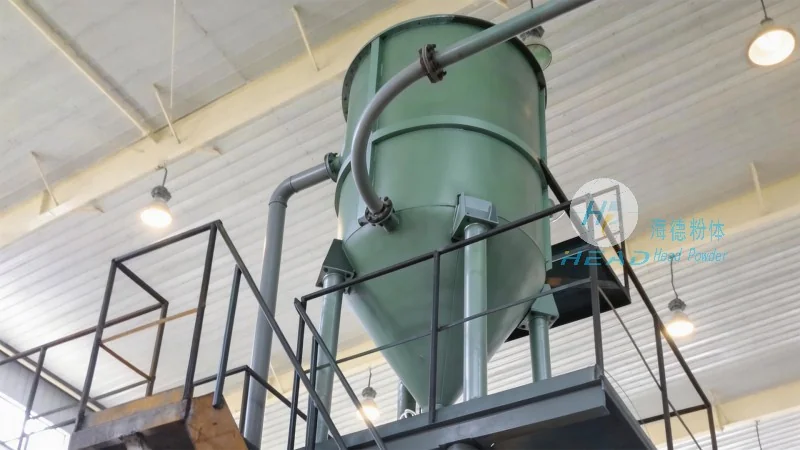
Positive pressure pneumatic conveying systems are designed to transport bulk materials by utilizing compressed air as the primary driving force. Unlike negative pressure systems, which rely on suction to draw material into the line, positive pressure systems push material through the pipeline. This method is often preferred in industries where materials need to be transported over longer distances or where the material is prone to clogging or degradation under suction conditions. The technology is versatile and can handle a wide range of materials, including powders, granules, and even small pieces, making it suitable for various manufacturing and processing applications.
The fundamental principle of positive pressure conveying is the generation of a pressure differential between the source and the destination of the material. The system typically consists of a blower or compressor that supplies compressed air to the conveying line. As the air flows through the pipeline, it carries the material particles along with it. The pressure maintained in the system ensures that the material is continuously propelled forward, preventing backflow or stagnation. The velocity of the air and the size of the particles determine the optimal pressure and flow rate required for efficient transport. Proper design of the system, including the selection of blower capacity and pipeline diameter, is crucial to achieve reliable and consistent material transport.
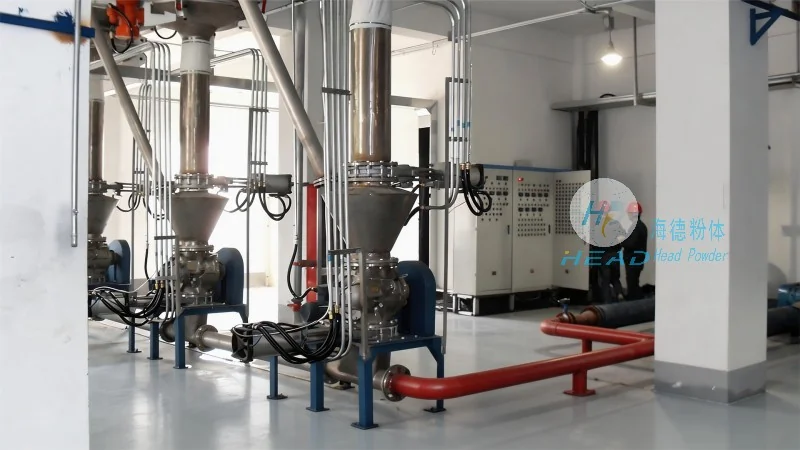
Several key components make up a positive pressure pneumatic conveying system. The primary components include a blower or compressor, which provides the necessary compressed air. The pipeline system, typically made of stainless steel or other corrosion-resistant materials, is designed to withstand the pressure and material flow. Feeders, such as rotary valves or screw feeders, are used to introduce the material into the conveying line at a controlled rate. The system may also include filters and cyclones to separate the material from the air at the destination, ensuring that the material is collected without contamination. Additionally, control valves and pressure regulators are used to manage the flow and pressure within the system, allowing for adjustments based on the material being transported or the distance of the transport.
Positive pressure pneumatic conveying is widely used in various industries due to its ability to handle diverse materials and transport them efficiently. In the food and pharmaceutical industries, it is used to transport ingredients like flour, sugar, and powders, ensuring that the materials remain sterile and free from contamination. The chemical industry utilizes this technology for transporting powders such as pigments, catalysts, and other chemicals, where maintaining a controlled environment is critical. The agricultural sector also benefits from positive pressure systems for handling grain, feed, and other agricultural products. In the construction industry, it is used for transporting cement, sand, and other building materials to different parts of a construction site. The manufacturing industry, particularly in the production of plastics, ceramics, and metals, relies on this method for transporting raw materials and finished products between processing stages.
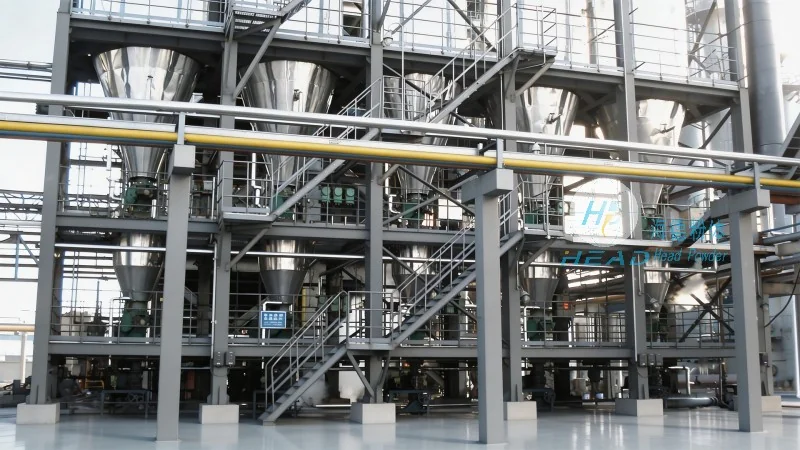
Compared to other material handling methods, positive pressure pneumatic conveying offers several advantages. One of the main benefits is the ability to transport materials over long distances with minimal loss or degradation. The enclosed pipeline system prevents exposure to the environment, protecting the material from moisture, dust, and contamination. This is particularly important for materials that are hygroscopic or sensitive to air exposure. Another advantage is the high material throughput, as the system can handle large volumes of material in a short period. The flexibility of the system allows for easy integration into existing production lines and the ability to transport materials to multiple destinations from a single source. Additionally, the system is relatively compact and can be installed in various locations, making it suitable for both new and retrofit applications. The low maintenance requirements and the ability to handle a wide range of materials make positive pressure conveying a cost-effective solution for many industrial applications.
Positive pressure pneumatic conveying is a reliable and efficient method for transporting bulk materials in various industrial applications. The technology's ability to handle diverse materials, transport them over long distances, and maintain material integrity makes it a preferred choice for many industries. As a leading provider in the field, Shandong HeadPowder Engineering Co., Ltd. specializes in designing and manufacturing high-quality positive pressure conveying systems tailored to the specific needs of their clients. With a focus on innovation and customer satisfaction, the company ensures that their systems are durable, efficient, and meet the highest industry standards. HeadPowder's expertise in material handling solutions has helped numerous companies improve their production processes and enhance operational efficiency. Based in Shandong, China, the company leverages its local presence to provide timely support and service to its clients, ensuring that their material handling needs are met effectively and reliably.

 Shandong Headpowder Engineering Co., Ltd.
 156-6277-7102(Manager Zhang)
  0531-83386006
  Zhangqiu District, Jinan City, Shandong Province, China
telephone
WeChatconsult
top